


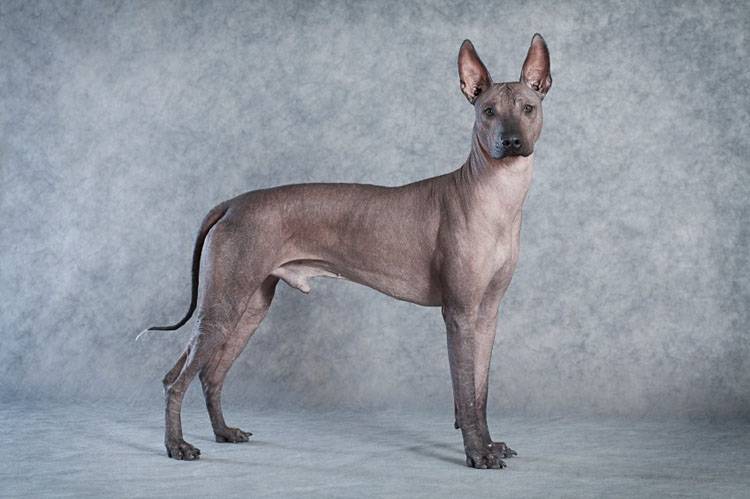
How to Safely Wash a Hairless Dog Breed: Tips for Gentle Grooming
Caring for a hairless dog breed can be a unique and rewarding experience, but it also requires a special approach to grooming. Unlike fluffy or double-coated breeds, hairless dogs such as the Xoloitzcuintli, Chinese Crested, or the Hairless Xiantao need gentle, tailored care to keep their skin healthy and free of irritation. Their exposed skin makes them more susceptible to dryness, sunburn, and irritation from harsh products or improper bathing techniques. If you’re a new owner or looking to refine your grooming routine, this guide will walk you through everything you need to know—from preparing for the bath to maintaining healthy skin between grooming sessions. The goal is to ensure your furry friend stays clean, comfortable, and healthy without risking skin damage.
In this article, we’ll cover how to prepare for a safe and effective bathing session, suggest the best grooming products for hairless breeds, provide a step-by-step guide for washing safely, discuss drying and post-bath care, and share tips for maintaining healthy skin between baths. Whether you’re a seasoned pet parent or new to owning a hairless breed, these insights will help you develop a gentle and effective grooming routine tailored to their unique needs. Proper grooming isn’t just about cleanliness—it’s about protecting delicate skin and keeping your dog happy and comfortable.
Preparing for a Safe and Effective Hairless Dog Bath
The first step in grooming your hairless dog is setting the stage for a safe and stress-free bath. Before you start, gather all necessary supplies, such as lukewarm water, a gentle dog shampoo formulated for sensitive skin, soft towels, and possibly a non-slip mat if your sink or tub tends to be slippery. Ensuring everything is within arm’s reach minimizes stress during the process and prevents unnecessary movement or accidents. It’s also helpful to brush your dog gently beforehand to remove any loose dirt or debris, which can make the bathing process more effective and less uncomfortable.
Timing and environment are critical components of safe grooming. Choose a warm, quiet space where your dog feels secure and where you can control the temperature. Avoid bathing during extreme weather—either very cold or very hot days—since hairless dogs are more prone to temperature fluctuations due to their lack of fur. Additionally, never leave your dog unattended during the bath, especially if they’re nervous or tend to struggle. Calm, reassuring words and gentle handling will help your dog stay relaxed and cooperative throughout the process.
It’s also wise to consider the frequency of baths based on your dog’s lifestyle and skin condition. Hairless breeds don’t require daily baths like some long-haired breeds, but they do benefit from regular cleansing—roughly every 1-2 weeks—to prevent oil buildup, dirt accumulation, and skin issues. Overbathing can strip natural oils, leading to dryness and irritation, so sticking to a consistent schedule tailored to your dog’s needs is key. Proper preparation not only makes the grooming session smoother but also safeguards your dog’s health by minimizing stress and potential skin problems.
Choosing the Right Grooming Products for Hairless Dog Breeds
Selecting the appropriate grooming products is vital for maintaining the health of your hairless dog’s sensitive skin. Because their skin is exposed and more vulnerable, using harsh shampoos or products with artificial fragrances can cause irritation or allergic reactions. Look for mild, hypoallergenic shampoos specifically formulated for sensitive or allergy-prone skin. These products are typically free from dyes, parabens, and synthetic fragrances, making them gentler and less likely to cause discomfort.
In addition to shampoo, consider incorporating moisturizers or skin conditioners designed for sensitive canine skin. Products containing natural ingredients like aloe vera, oatmeal, or chamomile can soothe dryness and inflammation, especially after bathing. Some owners also find that applying a light, dog-safe moisturizer after drying helps lock in moisture and protect the skin from environmental irritants. Avoid human skincare products, as they are often not pH-balanced for dogs and can disrupt the skin’s natural barrier.
When choosing grooming tools, opt for soft, non-abrasive brushes and towels that won’t scratch or irritate the skin. A gentle silicone or rubber brush can help remove dirt and dead skin cells without causing discomfort. For cleaning ears or around delicate areas, use specially designed, pet-safe wipes or cotton balls. Remember, the goal is to be as gentle as possible—harsh scrubbing or using abrasive tools can lead to soreness or skin infections. Proper product selection is a cornerstone of safe grooming and helps keep your hairless dog’s skin smooth, healthy, and irritation-free.
Step-by-Step Guide to Washing a Hairless Dog Safely
A careful, systematic approach to bathing your hairless dog will ensure the process is safe and effective. Start by soaking your dog’s body with lukewarm water—test the water temperature to make sure it’s comfortable and not too hot or cold. Use a gentle spray or a cup to gently pour water over the coat, avoiding the face and ears initially to prevent discomfort. Once the body is wet, apply a small amount of hypoallergenic dog shampoo, working it into a rich lather with your fingertips, paying special attention to areas prone to oil buildup like folds, elbows, or under the neck.
When washing your dog, be gentle—use slow, circular motions and avoid scrubbing too hard, which can irritate sensitive skin. Take care around the face, eyes, and ears; use a damp cloth or pet-safe wipe to clean these areas delicately. Rinse thoroughly to remove all shampoo residue, as leftover product can cause dryness or irritation. It’s especially important with hairless breeds to ensure no soap remains, since their skin is more exposed and vulnerable to chemical contact. Pat the skin dry with a soft towel rather than rubbing, to reduce friction and prevent skin damage.
Once washed and rinsed, consider applying a calming, moisturizing spray or light conditioner suitable for sensitive skin. This can help soothe any irritation from the bath and keep the skin hydrated. Remember, the entire process should be calm and positive—using treats and soothing words will help your dog associate grooming with comfort rather than stress. Regular, careful baths not only keep your dog clean but also promote overall skin health, preventing infections and skin conditions common in hairless breeds.
Drying and Post-Bath Care to Protect Sensitive Skin
Drying your hairless dog properly is just as important as the washing itself. Pat your dog gently with a soft, absorbent towel—avoid vigorous rubbing, which can cause irritation or micro-tears in the skin. For dogs with particularly sensitive skin, you may want to air-dry in a warm, draft-free environment, or use a pet-safe blow dryer on a cool or low heat setting. Keep the dryer at a safe distance from the skin to prevent overheating or burns, and move it constantly to avoid concentrated heat in one spot.
Once dry, inspect your dog for any signs of irritation, redness, or dryness. If you notice patches of dry or flaky skin, applying a vet-recommended moisturizer can help restore hydration. Many hairless dog owners prefer mineral or aloe-based lotions that are safe for frequent use and soothing to delicate skin. Avoid using human moisturizers or lotions with fragrances, as these can cause allergic reactions. Regularly moisturizing after baths helps maintain the skin’s barrier function and prevents dryness, which is especially crucial for hairless breeds.
Post-bath skin care doesn’t end at drying. Because hairless dogs lack fur to protect against environmental elements, applying sunscreen when outdoors or protective clothing can prevent sunburn and environmental irritants. Additionally, keep your dog’s bedding clean and dry to reduce the risk of skin infections. Routine checks and gentle skin care are key to preventing common issues such as rashes, infections, or dermatitis. Proper drying and post-bath care protect the health and comfort of your dog’s sensitive skin, making grooming a safe and beneficial routine.
Tips for Maintaining Healthy Skin and Coat Between Baths
Maintaining healthy skin between baths is essential for your hairless dog’s overall well-being. Regular gentle brushing—using a soft silicone or rubber brush—helps remove dead skin cells, distribute natural oils, and stimulate blood flow, all of which contribute to healthy skin. Incorporating skin-friendly supplements like omega-3 fatty acids, after consulting with your veterinarian, can also support skin hydration and reduce inflammation. These dietary additions can help improve skin elasticity, decrease dryness, and promote a shiny, healthy appearance.
Another crucial aspect is managing environmental exposure. Since hairless breeds are more susceptible to sunburn, applying pet-safe sunscreen when your dog is outside for extended periods is vital. Protective clothing or doggie shirts can also shield their skin from harmful UV rays and environmental pollutants. For indoor environments, keep your dog’s living space clean and free of dust, mold, or harsh chemicals that could trigger skin sensitivities. Using hypoallergenic bedding and cleaning products further minimizes potential irritants.
Finally, regular veterinary check-ups are key to maintaining skin health. Your vet can recommend appropriate topical treatments, medicated shampoos, or other interventions if skin issues arise. Observing your dog for signs of discomfort, such as excessive scratching, redness, or dryness, allows for early intervention, preventing more serious problems. Developing a consistent, gentle routine for skin maintenance between baths ensures your hairless dog remains comfortable, healthy, and happy—promoting a life of comfort and wellness.
Conclusion
Caring for a hairless dog breed involves more than just regular baths—it requires a gentle, informed approach that prioritizes their sensitive skin. Proper preparation, the right grooming products, and a careful bathing technique help prevent irritation and keep your dog comfortable. Post-bath drying and moisturizing protect their skin from dryness and environmental damage, while routine maintenance between baths ensures ongoing skin health. By understanding and respecting the unique needs of hairless breeds, you can provide a safe, soothing grooming experience that enhances their well-being. Embracing these tips will help your special furry friend stay happy, healthy, and looking their best—because with the right care, your hairless dog can thrive and enjoy a comfortable life right by your side.