


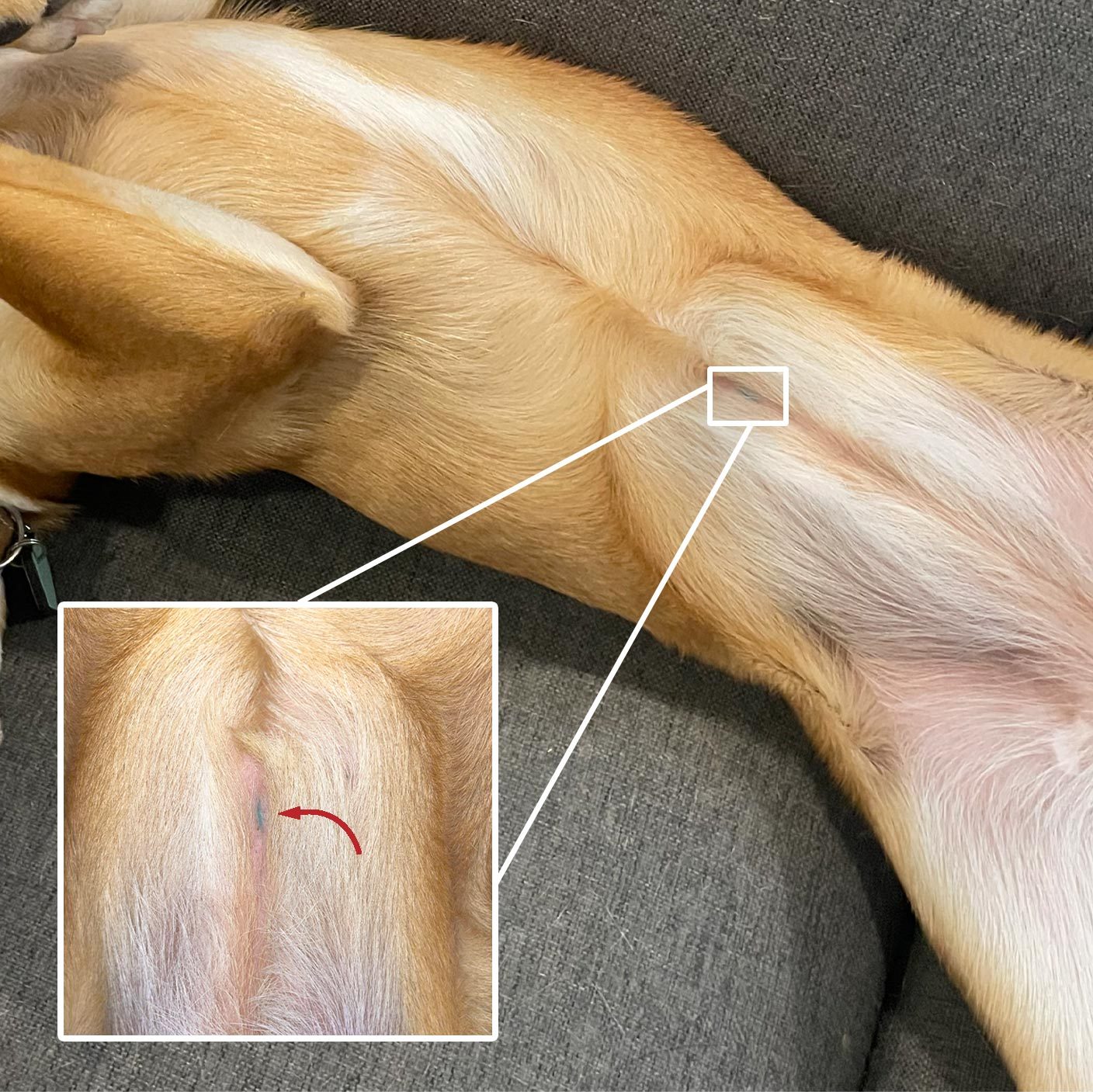
How to Safely Wash Your Dog After a Tattoo or Marking Procedure
Getting a tattoo or marking on your dog can be a fun way to personalize their look, mark important info, or celebrate special moments. However, just like with humans, the healing process is crucial for ensuring the design stays vibrant and your dog stays healthy. One common concern is how to safely wash your dog after such a procedure without jeopardizing the healing or irritating the new ink. Whether you’re dealing with a temporary marking, a permanent tattoo, or a microchip insertion, knowing how to care for your pet during this sensitive time is essential. In this article, we’ll walk through everything you need to know—from understanding the risks to post-wash care—so you can keep your furry friend comfortable and their markings pristine.
Understanding the Risks of Washing a Dog with a Fresh Tattoo or Marking
Washing a dog with a fresh tattoo or marking involves several risks that pet owners should be aware of to prevent complications. First, the skin around the new ink or marking is still in the healing phase, which means it’s more vulnerable to infections, irritations, and damage. Exposing it to water, soap, or cleaning agents prematurely can disturb the healing process, cause scabbing, or even lead to ink fading or distortion.
Second, improper washing techniques can introduce bacteria or fungi to the freshly inked area. This is especially true if the water or cleaning tools aren’t sterile or if the environment isn’t clean. Bacterial infections can significantly delay healing and may require veterinary intervention. Moreover, excessive scrubbing or scrubbing with harsh products can cause the tattoo or marking to bleed, smudge, or scar, compromising both appearance and health.
Lastly, the physical discomfort or stress caused by washing can make your dog reluctant to go near water in the future or cause anxiety during grooming routines. For dogs with sensitive or healing skin, even gentle contact can be uncomfortable, so it’s vital to approach this process with care and awareness of the risks involved. Recognizing these risks underscores the importance of adopting a cautious, well-informed approach to post-tattoo or marking hygiene.
Preparing Your Dog and Grooming Area for the Wash
Preparation is the cornerstone of safely washing your dog after a tattoo or marking procedure. Start by selecting a calm, quiet space where your dog feels safe, such as a bathroom or a designated grooming area. This helps reduce stress and allows you to control the environment, minimizing the risk of dirt or contaminants coming into contact with the healing skin.
Before the wash, gather all necessary supplies—mild, pet-safe shampoo, soft washcloths or sponges, towels, and possibly a gentle spray bottle. Keep these within arm’s reach to prevent unnecessary movement or stress during the process. It’s also advisable to have a towel or blanket ready to gently restrain or comfort your dog if they become anxious. If your dog has a tendency to shake or escape during baths, consider using a non-slip mat in the sink or tub to prevent slipping and keep your pet secure.
Additionally, it’s crucial to set the water temperature to lukewarm—hot water can cause discomfort or skin irritation, while cold water may cause your dog to resist or shiver. Ensuring the area is clean and free of harsh chemicals, cleaning agents, or strong scents is essential, as these can irritate sensitive healing skin. Proper preparation helps ensure the wash is gentle, effective, and stress-free for your dog, promoting quicker healing and minimizing discomfort.
Choosing the Right Cleaning Products for Sensitive Skin and Fresh Ink
Selecting the appropriate cleaning products is perhaps the most critical aspect of washing your dog after a tattoo or marking. The goal is to use gentle, pet-safe products that won’t irritate the healing skin or compromise the integrity of the tattoo. Regular human shampoos, especially those containing fragrances, dyes, or harsh chemicals, are unsuitable because they can cause allergic reactions or skin irritation.
Opt for specially formulated pet shampoos that are mild, hypoallergenic, and free from alcohol, parabens, sulfates, and artificial fragrances. Products designed for sensitive skin—such as oatmeal-based shampoos or those with added aloe vera—are excellent choices. For cleaning around the tattooed area, you might also consider using a diluted saline solution or a veterinarian-recommended antiseptic solution to keep the area clean without excessive moisture or harsh chemicals. Always consult your veterinarian if you’re unsure about which products are safe for your dog’s specific skin type or the particular nature of the tattoo.
In some cases, your veterinarian may recommend an antimicrobial or medicated wash if the area shows signs of infection or delayed healing. Remember, the key is to keep the skin moist and clean without over-washing or applying aggressive substances that can strip natural oils or cause further irritation. Using the right products ensures your dog’s skin remains healthy, and the tattoo or marking heals smoothly and effectively.
Proper Techniques for Washing and Rinsing to Protect the Tattoo or Marking
When washing your dog with a fresh tattoo or marking, gentle techniques are essential to prevent damage and ensure effective cleaning. Start by dampening the area with lukewarm water—avoid direct, high-pressure streams that can disturb the healing tissue or cause discomfort. Use a soft washcloth or sponge, and gently dab or stroke the area rather than scrubbing aggressively. This gentle approach minimizes irritation and prevents the ink from bleeding or smudging.
Apply a small amount of the approved, mild shampoo or cleanser directly to the cloth or your gloved hand, then carefully clean around the tattooed or marked area. Focus on removing dirt, debris, or excess ointments without rubbing or applying excessive pressure, which can cause the skin to break or the ink to distort. Rinse thoroughly with lukewarm water, ensuring no residue remains, as leftover soap can cause irritation or dryness.
Pat the area dry with a soft towel—never rub vigorously—allowing it to air-dry if possible. If your dog tolerates it, you can use a gentle blow dryer on a low, cool setting, keeping it at a safe distance to avoid burns or discomfort. Throughout the process, your goal is to keep the skin clean and moist while safeguarding the integrity of the tattoo or marking, all with a gentle, careful touch.
Post-Wash Care and Monitoring for Healing and Comfort
After washing, proper post-care is vital to support healing and prevent complications. First, ensure the area is thoroughly dried, as moisture can promote bacterial growth or cause the skin to become macerated, delaying healing. Applying a veterinarian-approved ointment or healing balm, if recommended, can help keep the skin moist and protected, fostering optimal recovery.
Monitor the tattoo or marking closely over the following days for signs of infection, such as redness, swelling, foul odor, or pus. Observe your dog for any signs of discomfort, scratching, or licking at the area, which could indicate irritation or pain. If you notice any abnormalities or if your dog seems distressed, consult your veterinarian promptly for advice or treatment. It’s also important to prevent your dog from scratching or biting at the healing site, which can be achieved through the use of protective collars or other measures as recommended by your vet.
Finally, keep the environment clean and dry, and prevent your dog from swimming or bathing in natural bodies of water until fully healed. Regular check-ins and gentle handling will help ensure your dog remains comfortable and that the tattoo or marking heals properly. Remember, patience and vigilance during this healing period are key to maintaining your pet’s health and the longevity of their new ink or mark.
In Conclusion
Caring for your dog after a tattoo or marking procedure involves understanding the unique risks, preparing the right environment, choosing safe products, and applying gentle techniques. Proper post-wash care not only protects the healing skin but also safeguards the integrity of the design. By following these detailed steps, you ensure your furry friend remains comfortable and healthy while their markings heal beautifully. Always consult your veterinarian for personalized advice, especially if complications arise or if you’re unsure about the best care practices. With patience, care, and attention to detail, your dog can enjoy their new markings with minimal stress and maximum protection.