
How to Safely Wash Your Dog After Contact with Poison Ivy
Poison ivy is notorious for causing skin irritation and allergic reactions in humans, but did you know it can also affect your furry friend? While dogs are generally less susceptible to the allergic reactions caused by poison ivy due to differences in skin and immune system, contact with this plant can still lead to skin irritation, discomfort, or even secondary infections if not properly treated. If your dog has been exploring in areas with poison ivy or comes into contact with it during outdoor adventures, knowing how to clean them safely and effectively is essential. This guide aims to walk you through the steps to protect your dog’s health, from immediate rinsing to preventive measures, ensuring your pet stays happy and itch-free.
Understanding the Risks of Poison Ivy Exposure for Dogs
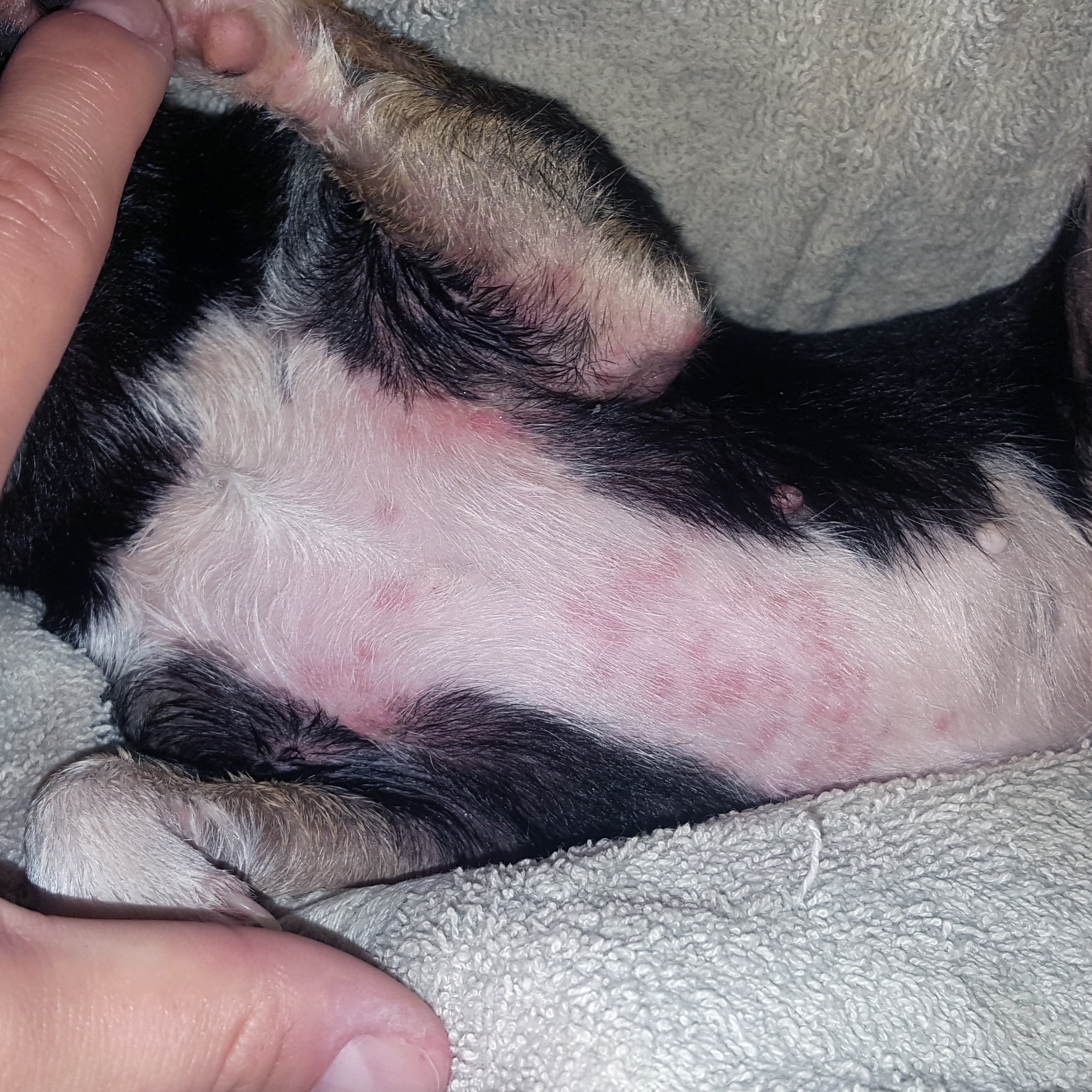
Many dog owners assume that poison ivy isn’t a concern for their pets because dogs rarely develop the classic allergic skin reactions that humans do. However, the plant contains urushiol, an oily resin responsible for skin irritation, which can adhere to your dog’s fur and skin. When dogs come into contact with poison ivy, they can experience symptoms such as redness, swelling, itching, or mild skin irritation, especially if they lick or scratch the affected area. In some cases, secondary bacterial infections may develop if the skin is broken through scratching.
It’s also important to recognize that even if your dog doesn’t show obvious signs of irritation, they can still carry urushiol on their fur. This residue can be transferred to your home, furniture, or even to other pets and people, potentially causing allergic reactions in sensitive individuals or those with skin prone to irritation. Additionally, some breeds with sensitive skin or pre-existing allergies might be more prone to reactions. Therefore, prompt and proper cleaning after suspected exposure is crucial in minimizing health risks for your dog and household.
Understanding the physical characteristics of poison ivy can help you identify potential contact points more effectively. Poison ivy typically features three leaflets per stem, with a shiny surface and sometimes a reddish tint, depending on the season. It grows as a vine or shrub and is common in wooded areas, along fences, or in disturbed soils. Knowing how to recognize the plant enables you to react swiftly, reducing the likelihood of prolonged contact. Remember, even brief contact can transfer urushiol, so quick action is key to keeping your dog safe.
Immediate Steps to Rinse and Clean Your Dog After Contact
Once you suspect your dog has come into contact with poison ivy, the first and most important step is to rinse them thoroughly with water. Doing this promptly helps remove urushiol oil from their fur and skin, significantly reducing the risk of irritation. Use lukewarm water—hot water can sometimes irritate sensitive skin, while cold water may not be as effective in dissolving the oily resin. The goal is to wash away as much of the plant’s residue as possible before it has a chance to bind to your dog’s skin or fur.
Next, gently inspect your dog for signs of irritation or rash. If you notice redness, swelling, or scratching, it’s best to proceed with a more thorough cleaning. Avoid using harsh chemicals or household cleaning agents, which can cause additional skin irritation or toxicity. Instead, prioritize pet-safe solutions. If your dog’s fur is long or matted, carefully brush out loose plant material, but do so gently to avoid causing discomfort or skin abrasions. After rinsing, dry your dog thoroughly with a clean towel to prevent moisture from lingering and worsening skin irritation.
Timing is critical in these initial steps. The sooner you can rinse your dog, the better the chances of removing urushiol before it causes a reaction. If your dog has been in contact with poison ivy for an extended period, consider repeating the rinsing process or bathing them more thoroughly. Remember, even if your dog seems unaffected, it’s a good idea to proceed with a full bath to ensure all traces of urushiol are eliminated. Prompt action can be the difference between a quick recovery and prolonged discomfort.
Selecting the Right Dog-Friendly Cleaning Products and Soaps
Choosing the appropriate cleaning products is vital to safely and effectively wash your dog after poison ivy contact. Many household soaps and shampoos contain ingredients that can irritate sensitive canine skin or are not formulated for pet use, so it’s best to opt for products specifically designed for dogs. Look for gentle, hypoallergenic, and soap-free shampoos that are free from harsh chemicals, dyes, and fragrances. These products will clean without stripping natural oils or causing additional skin reactions.
In some cases, your veterinarian may recommend medicated shampoos containing ingredients like chlorhexidine or oatmeal, especially if your dog shows signs of irritation or itching. These shampoos can help soothe inflamed skin and reduce bacterial overgrowth. Avoid using human anti-itch or medicated shampoos unless explicitly advised by your vet, as some ingredients are toxic to dogs. Additionally, there are specialized plant-based or natural pet shampoos that are effective at removing urushiol residue while being gentle on your pet’s skin, making them a good choice for sensitive dogs.
If you don’t have a dog-specific shampoo on hand, plain water alone can be effective for initial rinsing, especially if performed immediately after contact. For a more thorough cleaning, dilute a small amount of a vet-approved, gentle shampoo, ensuring it’s thoroughly rinsed out to prevent residue buildup. Always follow the instructions on the label and consult your veterinarian if you’re uncertain about which product best suits your dog’s skin type or health condition. Safeguarding your dog’s skin health while removing poison ivy residue is the ultimate goal.
Proper Techniques for Washing and Rinsing to Remove Poison Ivy Residue
Effective washing techniques are essential to ensure all urushiol residues are removed from your dog’s fur and skin. Begin by thoroughly wetting your dog’s coat with lukewarm water, paying special attention to areas where contact may have occurred. Use a gentle, pet-safe shampoo or cleansing solution and work it into a rich lather, taking care to avoid the eyes, ears, and inside the mouth. Gently massage the shampoo into the fur and skin, allowing the solution to penetrate the coat and lift any urushiol oil.
When rinsing, use a generous amount of lukewarm water to remove all shampoo and residue. It’s important to rinse extensively until your dog’s coat feels clean and no soap remains, as leftover shampoo can cause irritation or dryness. For long-haired breeds, consider using a detachable showerhead or a cup to pour water carefully over the fur, ensuring thorough coverage. If your dog has sensitive or inflamed skin, avoid excessive scrubbing, which can worsen irritation—gentle strokes and patience are key.
After washing, carefully dry your dog with a clean towel, gently patting rather than rubbing the coat. Keeping your dog dry is crucial because moisture can foster bacterial or fungal infections, especially if the skin is already irritated. For stubborn residues or if the plant contact was extensive, repeat the washing process or consider a second bath. Remember, patience and gentle handling will make the process comfortable for your dog and ensure all traces of poison ivy are effectively removed.
Preventive Measures and Monitoring for Allergic Reactions or Skin Irritations
Prevention is always better than cure when it comes to poison ivy exposure. Before heading outdoors, familiarize yourself with common poison ivy growing spots and teach yourself how to identify this toxic plant. Keep your dog on designated paths or in well-maintained areas where poison ivy is less likely to be present. Using a leash during outdoor walks can also help control your dog’s movements and prevent them from wandering into overgrown areas or dense foliage. Additionally, consider applying pet-safe repellents that deter your dog from exploring plants that could be harmful or irritating.
Even after successful cleaning, it’s important to monitor your dog closely for any signs of delayed allergic reactions or skin irritation. Symptoms may include persistent itching, redness, swelling, hair loss, or skin lesions. If you notice any of these signs, consult your veterinarian promptly. They may recommend topical treatments, antihistamines, or other medications to soothe your dog’s skin and prevent secondary infections. Regularly checking your pet’s coat and skin can also help you catch early signs of irritation and act swiftly to minimize discomfort.
Finally, maintaining good overall hygiene and grooming habits can reduce the likelihood of poison ivy-related issues. Regular baths, brushing, and skin checks help remove potential irritants early and keep your dog’s coat healthy and free of plant residues. Educating yourself about outdoor hazards and taking preventive measures will ensure your dog remains safe and happy during outdoor adventures. Remember, a proactive approach not only protects your pet but also enhances your peace of mind and your dog’s well-being.
In Conclusion, safely washing your dog after contact with poison ivy involves quick, thorough rinsing with pet-friendly products, gentle cleaning techniques, and ongoing preventive care. Recognizing the risks and acting promptly can prevent discomfort and more serious health issues. Always select appropriate grooming products, employ proper washing methods, and stay vigilant for any signs of skin irritation. By taking these steps, you’re not only protecting your furry friend but also ensuring your shared outdoor adventures remain safe and enjoyable for everyone involved.