


How to Safely Wash Your Dog After Contact with Toxic Plants
Accidents happen—even the most diligent dog owners can’t always prevent their furry friends from snacking on or brushing against dangerous plants during outdoor adventures. When your dog comes into contact with toxic plants, immediate and proper action is crucial to minimize health risks and ensure their safety. Knowing exactly how to wash your dog safely after exposure not only helps prevent poisoning but also provides peace of mind. This guide walks you through identifying harmful plants, preparing your dog, washing properly, choosing the right products, and caring for your pup afterward. Let’s dive into what every responsible dog owner needs to know to handle these potentially dangerous situations effectively.
Identifying Harmful Plants and Recognizing Symptoms of Poisoning in Dogs
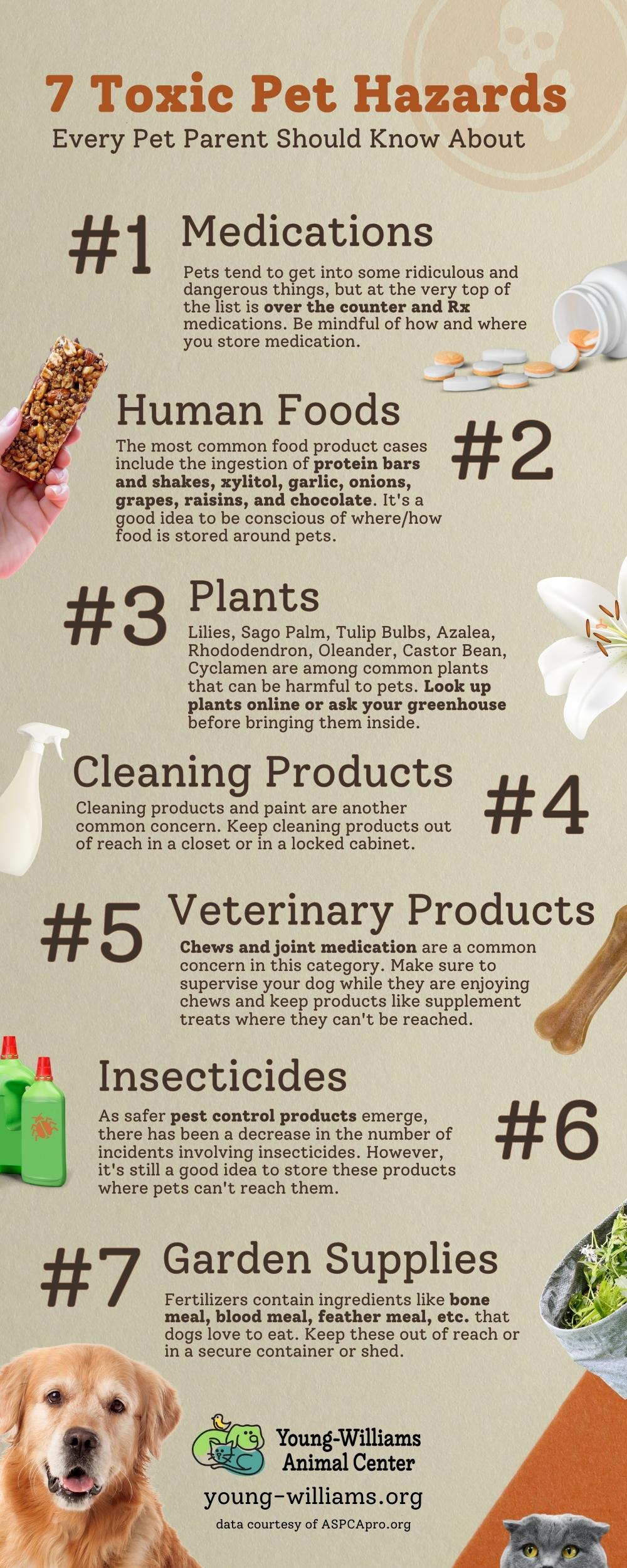
The first step in safeguarding your dog from plant-based toxins is understanding which plants are harmful and being vigilant for signs of poisoning. Many common garden, house, or outdoor plants can be toxic to dogs—think of lilies, azaleas, sago palms, and certain mushrooms. Familiarity with local flora, especially during outdoor walks or gardening, can help you prevent exposure. Use reliable resources such as the ASPCA’s Poisonous Plant List or consult with your veterinarian to identify hazardous plants in your environment.
Recognizing symptoms early is vital for prompt treatment. Poisoning signs can range from mild to severe and may include vomiting, diarrhea, excessive drooling, difficulty breathing, drooping ears or eyes, tremors, or seizures. Some plants cause skin irritation or allergic reactions, leading to redness, swelling, or itching at contact sites. If you notice any of these symptoms following exposure, immediate action is necessary to prevent escalation. Regularly inspecting your dog’s skin, mouth, and paws after outdoor excursions ensures early detection of adverse reactions.
Prevention is always better than cure. Keep toxic plants out of reach and consider creating a safe, dog-friendly garden zone. When in doubt about a plant’s safety, err on the side of caution—and don’t hesitate to contact your veterinarian for advice if your dog shows any unusual symptoms after contact with a plant. Early intervention can mean the difference between a mild discomfort and a life-threatening emergency.
Preparing Your Dog and Safe Handling Practices Before Washing
Before you begin washing your dog, proper preparation ensures the process is safe, effective, and stress-free—for both of you. Start by calmly restraining your dog and making the experience as positive as possible. Use a gentle, firm hold, especially if your dog is anxious or frightened. Having all your supplies ready—like mild dog-friendly shampoo, towels, and gloves—will help you act swiftly without unnecessary delays. Remember, patience and reassurance are key; speak softly and offer treats to keep your dog calm during the process.
Handling your dog safely also involves assessing their current health status. If your dog is displaying severe symptoms such as difficulty breathing, seizures, or unconsciousness, seek emergency veterinary care before attempting to wash. For dogs that are alert and responsive, inspect their coat, paws, mouth, and any exposed skin areas for signs of contamination. Be cautious around sensitive areas—avoid forcing your dog into a wash if they are overly distressed or aggressive. In such cases, enlisting professional help from a veterinarian or pet groomer may be the best course of action.
Furthermore, consider using protective gear yourself—like gloves—to prevent direct contact with any residual toxins or irritants. Ensuring a calm environment, free of loud noises or distractions, can help keep your dog from panicking. Remember, your goal is to efficiently remove the toxic plant residue while maintaining your dog’s trust and safety throughout the process.
Step-by-Step Guide to Properly Washing Your Dog After Contact with Toxic Plants
Following a structured approach when washing your dog can make the process safer and more thorough. Here’s a step-by-step guide to help you do it correctly:
-
Secure Your Dog in a Comfortable Space: Use a non-slip mat or tub to prevent slipping and keep your dog steady. Calmly speak to reassure them as you start the process.
-
Initial Rinse: Use lukewarm water to gently rinse your dog’s coat and skin. Avoid high-pressure streams which can cause discomfort or spread toxins further. Focus on removing any visible plant debris, especially from the paws, face, and underbelly.
-
Apply a Mild Dog-Friendly Shampoo: Choose a gentle, hypoallergenic shampoo designed specifically for dogs. Avoid human shampoos, as they can be too harsh or contain ingredients that are toxic to pets. Lather thoroughly, paying close attention to areas that contacted the plant, like paws, mouth, and face.
-
Careful Cleaning of Sensitive Areas: Use a damp cloth to gently wipe around the eyes, ears, and nose, avoiding direct water contact with these sensitive regions. If the plant toxins are suspected to contact the mouth or tongue, consider additional rinsing or wiping.
-
Rinse Thoroughly: Ensure all shampoo residues are completely washed out, as leftover chemicals can cause skin irritation. Use lukewarm water and double-check that no suds remain.
-
Dry and Comfort: Pat your dog dry with a clean, soft towel. Avoid vigorous rubbing, which can irritate the skin. Keep your dog warm and comfortable during the drying process, and offer praise or treats to reinforce positive associations.
Remember, if your dog is showing severe symptoms or if toxins appear to have entered their eyes or mouth deeply, seek veterinary assistance immediately instead of attempting a full wash. Proper technique and patience are key to effectively removing toxins and preventing further absorption.
Choosing the Right Cleaning Products and Preventive Measures
Selecting the appropriate cleaning products is crucial for your dog’s safety and comfort. Always opt for shampoos formulated specifically for dogs, as their skin has a different pH balance than humans and requires gentle, non-toxic ingredients. Look for products labeled as hypoallergenic, fragrance-free, and free from harsh chemicals like parabens, sulfates, or artificial dyes. These minimize the risk of allergic reactions or irritation during and after washing.
In addition to a good shampoo, consider incorporating natural remedies or products recommended by veterinarians for detoxifying or soothing your dog’s skin. For example, oatmeal-based shampoos can help calm irritation, while coconut oil can support skin health after exposure. Be cautious about using any home remedies or human products unless approved by your veterinarian, as some substances can be unsafe for canine skin or ingestion.
Preventive measures extend beyond washing. Creating a dog-safe garden, fencing off toxic plants, or using plant identification apps can help avoid future encounters. Keep outdoor environments clean and regularly inspect your yard and local walking paths for hazardous flora. Educating yourself about local toxic plants and keeping a list handy can be lifesaving. Investing in plant barriers or pet-safe landscaping can significantly reduce accidental contact with dangerous plants and create a safer outdoor experience for your furry friend.
Post-Wash Care and Monitoring for Ongoing Symptoms and Health Recovery
After washing your dog, ongoing care and vigilant monitoring are vital to ensure full recovery and prevent complications. Observe your dog closely over the next 24 to 48 hours for any signs of lingering toxicity, such as persistent vomiting, diarrhea, lethargy, or behavioral changes. If symptoms persist or worsen, seek veterinary care promptly, as some toxins can have delayed effects or require medical intervention like activated charcoal or IV fluids.
Ensure your dog stays comfortable and stress-free during this recovery period. Provide a clean, quiet space with access to fresh water, nutritious food, and plenty of rest. Continue to inspect their skin and coat for signs of irritation, redness, swelling, or new symptoms. If your dog shows signs of skin irritation, your veterinarian may recommend topical treatments or medicated baths to soothe the skin.
Lastly, maintain good communication with your veterinarian, especially if you suspect your dog was exposed to particularly dangerous plants or ingested toxins. Regular checkups, along with updated knowledge of local flora, will help you better prevent future incidents. Educating yourself about toxic plants and maintaining a proactive approach can keep your dog safe and healthy long-term, turning an emergency into an opportunity for greater pet safety awareness.
Conclusion
Dealing with contact between your dog and toxic plants can be stressful, but knowing how to wash your dog safely is key to minimizing health risks. By correctly identifying harmful plants and recognizing early poisoning symptoms, you can act quickly and confidently. Proper preparation, gentle handling, and following a structured washing routine ensure that toxins are effectively removed without causing additional stress or injury. Choosing dog-safe cleaning products and taking preventive measures help protect your pet from future hazards, creating a safer outdoor environment. Finally, diligent post-wash monitoring and care support your dog’s recovery and well-being. Remember, staying informed and prepared empowers you to handle these situations effectively, ensuring your furry friend remains safe, healthy, and happy.