

How to Safely Wash Your Dog After Long Exposure to Smoke
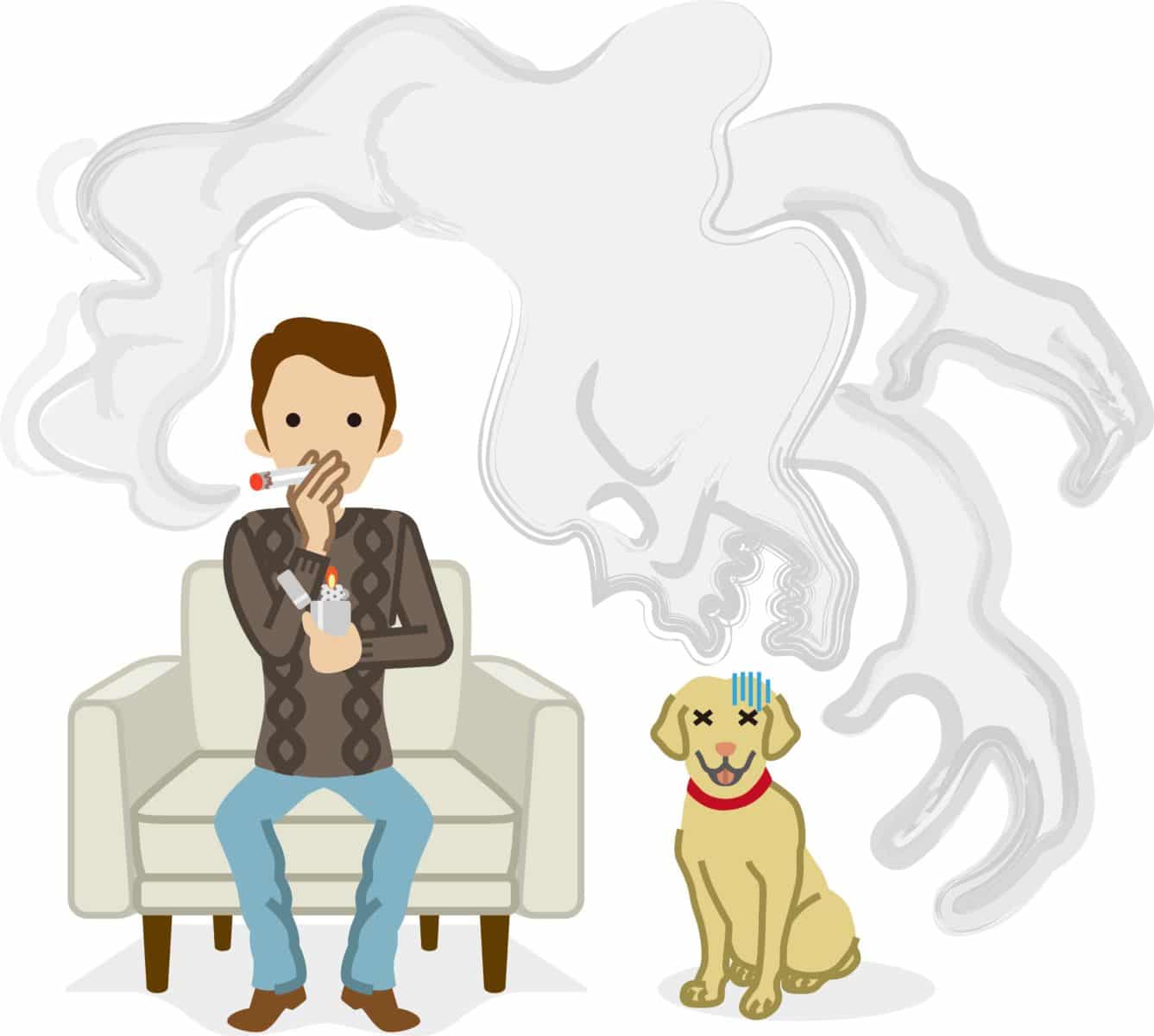
If your furry friend has spent an extended period in an environment filled with smoke—whether from a wildfire, cooking mishap, or cigarette smoke—it’s essential to prioritize their health and well-being. Smoke exposure can cause more than just an unpleasant smell; it can impact your dog’s respiratory health, irritate their skin, and lead to long-term complications if not addressed properly. Washing your dog after such exposure is a crucial step in helping them recover and feel comfortable again, but it must be done carefully to avoid causing additional stress or irritation.
This article will guide you through the entire process of safely washing your dog after long exposure to smoke. From assessing how much your dog has been exposed to, choosing the right cleaning products, to step-by-step washing instructions, and post-wash care—each section is designed to help you effectively and safely restore your pet’s health. Whether you’re a first-time dog owner or simply need a refresher, understanding these key steps will ensure your pet comes out clean, comfortable, and healthier.
Assessing the Extent of Smoke Exposure and Preparing for the Wash
Before you pick up that towel or bottle of shampoo, it’s important to evaluate how much smoke your dog has been exposed to. Smoke particles can settle on the fur, skin, and even be inhaled, impacting various aspects of their health. Look for signs such as a persistent smoky smell, visible soot, or discoloration of the coat. Also, observe your dog’s breathing and behavior—coughing, wheezing, or lethargy might indicate respiratory distress requiring prompt veterinary attention in addition to cleaning.
Preparation is key to a safe and effective wash. First, gather all necessary supplies—dog-specific shampoo, soft towels, a non-slip bathing area, and possibly a handheld showerhead or gentle spray hose. It’s important to choose a well-ventilated space to prevent inhaling any fumes or airborne particles during the cleaning process. Before starting, brush your dog thoroughly to remove loose soot and debris, which can make washing more effective and reduce the risk of skin irritation caused by trapped dirt.
Another crucial step is to ensure your dog is calm and comfortable. Long exposure to smoke can cause stress or anxiety, so take time to reassure your pet with gentle petting or treats. If your dog shows signs of respiratory distress or severe skin irritation, consult your veterinarian before proceeding with the wash. Remember, patience and gentle handling are essential—rushing the process can increase your dog’s stress and compromise their safety.
Selecting Appropriate Dog-Shampoo and Cleaning Supplies for Smoke Removal
Choosing the right cleaning products is vital to effectively removing smoke odors and residues without irritating your dog’s skin or eyes. Regular human shampoos are not suitable for dogs, as they can contain harsh chemicals or fragrances that may worsen skin irritation or disrupt their natural skin barrier. Opt for specially formulated dog shampoos that are designed to be gentle yet effective at cleaning fur and skin.
Look for shampoos that contain ingredients known for odor neutralization and soot removal, such as activated charcoal, baking soda, or natural deodorizers like aloe vera and oatmeal. These ingredients help absorb smoke smells and soothe inflamed skin. If your dog’s skin appears sensitive or irritated, consider using medicated shampoos recommended by your vet, especially those formulated for dermatitis or skin allergies. Always check the product labels for safety certifications and avoid any containing parabens, sulfates, or artificial fragrances.
Apart from shampoo, stock up on additional supplies like soft washcloths, a gentle brush, and towels. For stubborn soot or odors, an enzymatic cleaner or deodorizer designed for pets can be helpful for final odor removal after the wash. Remember, using the right products tailored for your dog’s skin type and condition will make the cleaning process safer and more effective, reducing the risk of further irritation or discomfort.
Step-by-Step Guide to Washing a Dog After Long Exposure to Smoke
When it’s time to wash your dog, approach the task with patience and care. First, ensure the bathing area is warm, quiet, and free from distractions. Use lukewarm water—hot water can strip natural oils and cause skin dryness, especially after soot exposure, while cold water may cause discomfort or stress. Wet your dog’s coat thoroughly, paying special attention to areas with visible soot or odor. Be gentle around the face and ears, avoiding direct water contact unless necessary.
Apply the selected dog shampoo generously, working it into the coat with gentle circular motions, emphasizing the areas most affected by smoke. Allow the shampoo to sit for a few minutes if it contains odor-neutralizing or medicated ingredients, but follow the manufacturer’s instructions carefully. Rinse thoroughly to ensure all residues of soot, dirt, and shampoo are completely removed, as leftover product can cause irritation or dryness. Pay close attention to the underbelly, armpits, and around the neck—these areas tend to trap debris.
Finally, gently pat your dog dry with a soft towel—avoid vigorous rubbing which can irritate the skin. If your dog tolerates it, a blow dryer on the lowest heat setting can speed up the drying process, but always keep the nozzle at a safe distance to prevent burns or discomfort. Remember to keep your dog calm and reassured throughout, offering treats or cuddles as positive reinforcement. A thorough, gentle wash not only removes harmful residues but also reduces the risk of lingering odors and skin issues.
Drying and Post-Wash Care to Prevent Skin Irritation and Odor
Proper drying after a smoke-related wash is critical to prevent skin irritation, fungal growth, and persistent odors. Damp fur can trap moisture close to the skin, creating an environment conducive to bacterial or yeast infections, especially if your dog has sensitive skin. Use a soft, absorbent towel to gently blot excess water, then proceed to dry with a blow dryer on a low or cool setting if your dog is comfortable with it. Always keep the dryer at a safe distance to avoid burns and ensure your pet remains relaxed during the process.
Once your dog is dry, inspect their skin for any signs of irritation, redness, or sores that might have been exacerbated by smoke exposure or the washing process itself. If you notice any discomfort or abnormal skin changes, consult your veterinarian promptly. Consider applying a pet-safe moisturizer or skin-soothing spray if your dog’s skin seems dry or flaky. Additionally, brushing the coat thoroughly can help remove any remaining soot particles, promote healthy circulation, and give the fur a neat, clean appearance.
To keep your dog smelling fresh longer, you can use pet-safe deodorizing sprays or wipes designed specifically for dogs. Regular grooming and routine baths after smoke exposure are essential for maintaining skin health and odor control. Remember, patience and gentleness during drying and post-wash care are vital—rushing or rough handling can cause stress or skin trauma, complicating recovery.
Tips for Maintaining Your Dog’s Respiratory and Skin Health After Smoke Exposure
Post-exposure care extends beyond just washing your dog; it requires ongoing attention to safeguard their respiratory and skin health. First, provide a clean, smoke-free environment for your pet to breathe and rest. Use air purifiers or keep your home well-ventilated to help remove lingering particles and reduce exposure to airborne toxins. Watching for signs of respiratory distress, such as coughing, wheezing, or labored breathing, is critical—if any occur, consult your veterinarian immediately.
Nutrition also plays a vital role in recovery. Ensure your dog’s diet is rich in antioxidants, omega-3 fatty acids, and essential nutrients that promote skin and immune health. Supplements like fish oil or probiotics can support skin barrier function and respiratory health, but always discuss these options with your vet before adding them to your dog’s diet. Regular grooming and bathing, using gentle, odor-neutralizing shampoos, help maintain a clean coat and reduce the risk of skin infections or irritation following smoke exposure.
Lastly, schedule a veterinary checkup to evaluate your dog’s overall health, especially if they had prolonged or intense smoke exposure. Your vet can recommend specific treatments or medications if needed, such as antihistamines for skin irritation or inhalers for respiratory issues. Consistent monitoring, a toxin-free environment, and a balanced diet will help your dog recover fully and maintain good health in the long run.
Conclusion
Helping your dog recover after long exposure to smoke involves a careful combination of assessment, gentle cleaning, and diligent post-wash care. By understanding how to evaluate their exposure, choosing the right products, and following a step-by-step washing process, you can effectively remove smoke odors and residues while minimizing stress and skin irritation. Proper drying and ongoing health maintenance are equally important, ensuring your dog remains comfortable, odor-free, and healthy.
Remember, each dog is unique—pay attention to their behavior and comfort throughout the process, and don’t hesitate to consult your veterinarian if you have concerns about respiratory or skin health. Cleanliness is a vital component of their overall well-being, especially after environmental hazards like smoke. With patience, gentle care, and the right approach, you’ll help your beloved pet bounce back from smoke exposure and enjoy many happy, healthy days ahead.