


How to Safely Wash Your Dog After Microchipping: Tips & Best Practices
If you’re a dog owner, you know how important it is to keep your furry friend clean and healthy. But what happens when your dog has recently been microchipped? While microchips are a vital safety feature that can help reunite lost pets with their owners, they also require some extra care during bathing to ensure they stay safe and functional. This guide will walk you through the essential steps to safely wash your dog after microchipping, covering everything from preparing your pet and setting up a secure environment to post-wash care. Whether you’re a first-time pet owner or someone looking to refine their grooming routine, understanding these best practices can help protect your dog’s health and your peace of mind.
In this article, you’ll learn:
- How to prepare your dog and create a safe washing environment
- Which gentle cleaning products are best suited for microchipped dogs
- Proper techniques for washing without damaging the microchip
- How to verify that the microchip remains functional after bathing
- Post-wash care tips to maintain your dog’s skin health and microchip safety
Let’s dive into each aspect in detail to ensure bath time is safe, effective, and stress-free for both you and your dog.
Preparing Your Dog and Setting Up a Safe Washing Environment
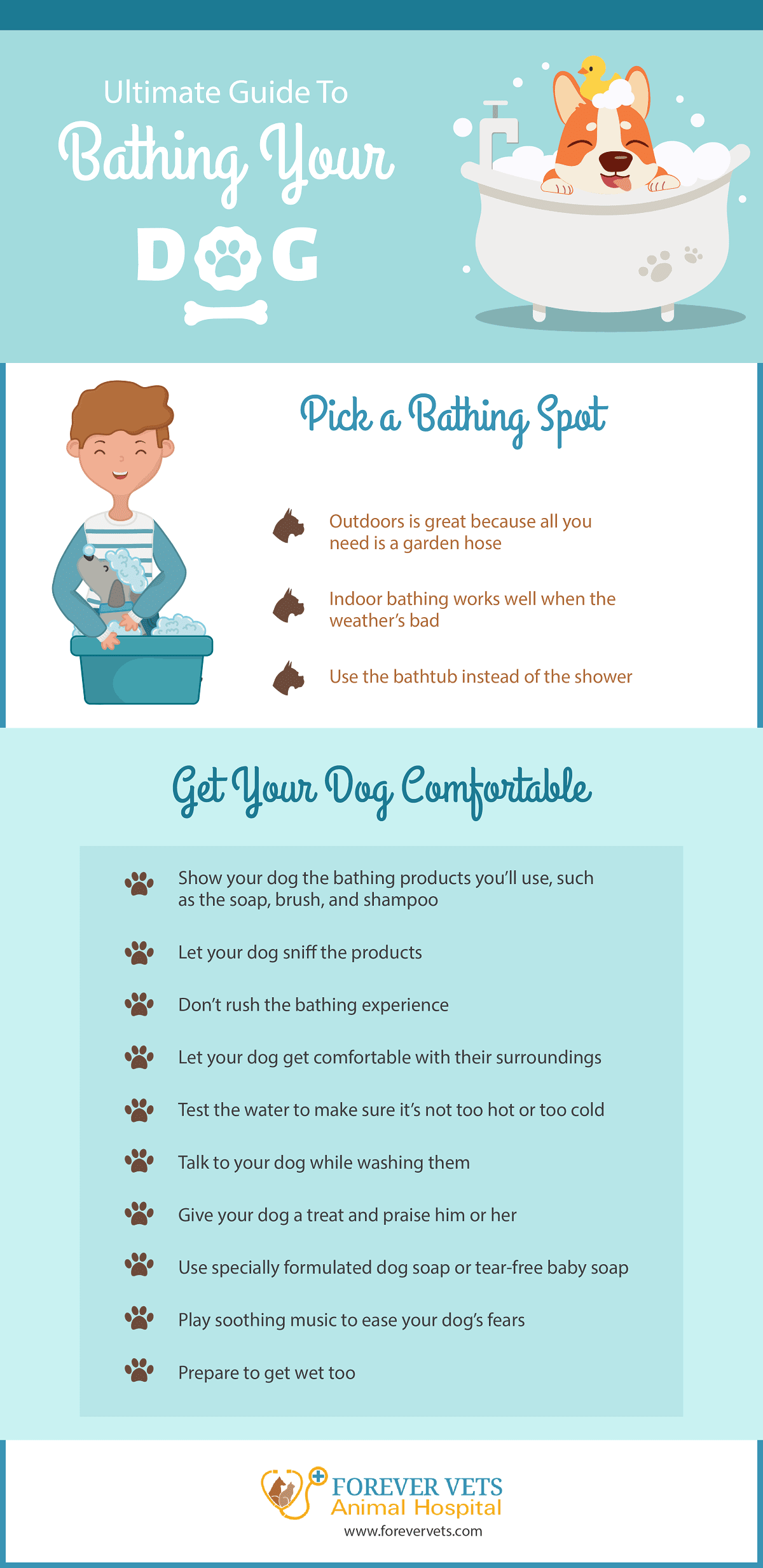
Before you even turn on the tap, preparation is key to a safe and smooth bathing experience for your microchipped dog. First, ensure your dog is calm and comfortable. If your pet isn’t used to baths, try to introduce the process gradually—perhaps with a few gentle touches or treats—so they associate bath time with positive experiences. A calm dog is less likely to thrash or move abruptly, reducing the risk of damaging the microchip or causing injury.
Next, choose a suitable bathing area that minimizes hazards. A sink, bathtub, or outdoor kiddie pool can work well, provided it’s stable and non-slip. Place mats or towels underneath to prevent slipping, which can cause sudden movements that might dislodge the microchip or injure your pet. Always keep all bathing supplies within arm’s reach—shampoos, towels, and any grooming tools—so you don’t have to leave your dog unattended mid-bath. If your dog has a history of anxiety, consider using calming sprays or pheromone diffusers beforehand to help ease their nerves.
Finally, confirm all the necessary supplies are ready: a gentle, microchip-safe shampoo, a waterproof container for rinsing, and a soft cloth or sponge. It’s also wise to have a towel or blow dryer on hand for drying your dog afterward. Preparing everything in advance reduces interruptions during bath time and ensures a calm, controlled environment that keeps your dog safe and comfortable throughout the process.
Using Gentle Cleaning Products Suitable for Microchipped Dogs
Choosing the right cleaning products is crucial when bathing a dog with a microchip. Since microchips are implanted under the skin, harsh chemicals or abrasive shampoos can irritate the skin and compromise the microchip’s placement or safety. Look for shampoos that are specifically formulated for sensitive skin—free from parabens, sulfates, artificial fragrances, and dyes. These ingredients can cause skin irritation, which might lead to itching, scratching, or even infection.
Opt for products that are pH-balanced for dogs. Dog skin has a different pH than human skin, and using shampoos designed for humans can disrupt the skin’s natural barrier, potentially affecting the microchip area. Natural or hypoallergenic shampoos containing soothing ingredients like oatmeal, aloe vera, or chamomile are excellent choices, especially for dogs with allergies or sensitive skin. Always check the product label to ensure it’s safe for use on dogs with microchips—most reputable brands specify this on their packaging.
It’s also a good idea to avoid using excessive amounts of shampoo. A small amount, thoroughly lathered and rinsed, is sufficient for effective cleaning without leaving residues that could irritate the skin. Remember to rinse thoroughly—residual soap can cause dryness or irritation, which may affect the area around the microchip. Using gentle, microchip-safe cleaning products helps keep your dog clean without risking damage to the implant or compromising skin health.
Proper Techniques for Washing and Handling Your Microchipped Dog
When it comes to washing your dog safely, technique matters just as much as the products used. Always handle your pet gently but securely—support their body to prevent slipping or sudden movements that could dislodge the microchip or cause injury. Use lukewarm water; too hot or too cold water can be uncomfortable and might irritate sensitive skin areas around the microchip insertion site.
Wet your dog gradually, starting from the neck and working downward. Avoid directly spraying water on the microchip site to prevent unnecessary water ingress into the area. Use a soft cloth or sponge to apply the shampoo, gently massaging the coat in the direction of hair growth. Pay extra attention to the face, ears, and paws, but be cautious around the microchip area—don’t scrub or apply too much pressure over the spot, as it might cause discomfort or skin damage.
During rinsing, ensure all soap is thoroughly washed out. Leftover shampoo can dry out the skin or cause irritation over time, especially near the microchip. Dry your dog with a towel first, then use a blow dryer on a low, cool setting if your pet tolerates it. Keep the dryer moving constantly and avoid holding it close to the skin or microchip site for extended periods. Proper handling and gentle techniques help maintain skin integrity, ensure the microchip remains in place, and make bath time a more positive experience for your dog.
Ensuring the Microchip Remains Intact and Functioning During Bathing
Maintaining the integrity and functionality of your dog’s microchip during and after bathing is crucial for their safety. Microchips are generally durable, but prolonged exposure to water, heat, and chemicals can sometimes affect their performance. After bathing, it’s recommended to perform a microchip scan to confirm the device is still functioning correctly and in its proper position.
Most microchips are designed to withstand water exposure, but high-pressure water or prolonged soaking might cause movement or, in rare cases, dislodge the chip. To minimize this risk, avoid spraying water directly onto the microchip site with high pressure. Instead, gently rinse around the area with a damp cloth or sponge. When drying, be cautious not to apply excessive force or heat directly on the microchip site. After the bath, gently palpate the area around the microchip to check for any swelling, discomfort, or signs of infection—these could indicate issues with the implant.
Finally, don’t forget to update your pet’s microchip registration details and inform the microchip company if you notice any problems during or after washing. Regularly scheduled checks, combined with gentle handling during baths, help ensure your dog’s microchip remains safely in place and fully operational, which is vital should your dog ever go missing.
Drying and Post-Wash Care to Protect Your Dog’s Microchip and Skin Health
Proper drying after a bath is essential for preventing skin issues and ensuring the microchip stays safe. Towels are usually sufficient for most dogs, but if your pet tolerates it, a blow dryer on a cool or low heat setting can speed up the process and help remove residual moisture. Avoid using hot air, which can dry out the skin, cause discomfort, or even damage the microchip if concentrated directly on the implantation site.
Once your dog is dry, inspect the area around the microchip to ensure there is no redness, swelling, or signs of irritation. Applying a gentle pet-safe moisturizer around the microchip site can help maintain skin hydration, especially in dry or cold climates. Regular grooming and brushing should be part of your routine to remove loose hair and dirt that can accumulate around the implant, keeping the area clean and healthy.
Finally, monitor your dog over the next few days for any signs of skin infection or discomfort—such as scratching, biting, or swelling—that might indicate a problem with the microchip or skin. Keeping the area clean, dry, and protected will help preserve both your dog’s comfort and the microchip’s functionality. Remember, routine checkups with your veterinarian are also recommended to ensure the microchip remains in good condition and your dog’s overall health is maintained.
Conclusion: Gentle Care Keeps Your Microchipped Dog Safe and Healthy
Bathing your dog after microchipping doesn’t have to be a stressful or risky process. By preparing a safe environment, selecting gentle and appropriate cleaning products, using proper washing techniques, and paying close attention to the microchip site throughout, you can ensure your pet stays clean without compromising their safety or comfort. Post-wash care, including careful drying and skin inspection, further protects your dog’s health and the integrity of the microchip.
Remember, patience and gentle handling are key to making bath time a positive experience for your dog. Regular microchip checks and understanding the best practices for cleaning can prevent potential issues and ensure that your pet remains safe and easily identifiable in case they ever go missing. With these tips and best practices, you can confidently care for your microchipped dog and keep them happy, healthy, and well-groomed for years to come.