


How to Safely Wash Your Dog During Thunderstorms Without Anxiety
Stormy weather can be a stressful experience for many dogs, especially those with thunderstorm phobias. At the same time, regular grooming and bathing are essential for your dog’s health and hygiene. But what do you do when a thunderstorm hits unexpectedly, and your dog is dirty or needs a bath? Many pet owners are faced with the dilemma: how can I safely wash my dog during a thunderstorm without increasing their anxiety? The good news is that with some careful planning and gentle techniques, you can make bath time during stormy weather a much calmer experience for your furry friend. This guide will walk you through the essential steps—from preparing your dog and environment, choosing the right timing, using calming techniques, to post-bath calming strategies—so you can keep your pet clean while minimizing their stress, even during thunderstorms.
Preparing Your Dog and Environment for a Stress-Free Bath During Thunderstorms
When thunderstorms threaten, your dog’s anxiety can skyrocket, making any activity, including bathing, more difficult. The first step in ensuring a safe and stress-free bath during stormy weather is to prepare your environment and your dog properly. Creating a calm, controlled setting can help reduce anxiety and make the experience smoother. Start by choosing a quiet, enclosed area—such as a bathroom or laundry room—where noise and distractions are minimized. Covering the floor with towels or non-slip mats can help prevent accidents and provide comfort for your dog’s paws. If possible, set up the bathing area before the storm begins, so everything is ready and your dog doesn’t associate the environment with the current weather crisis.
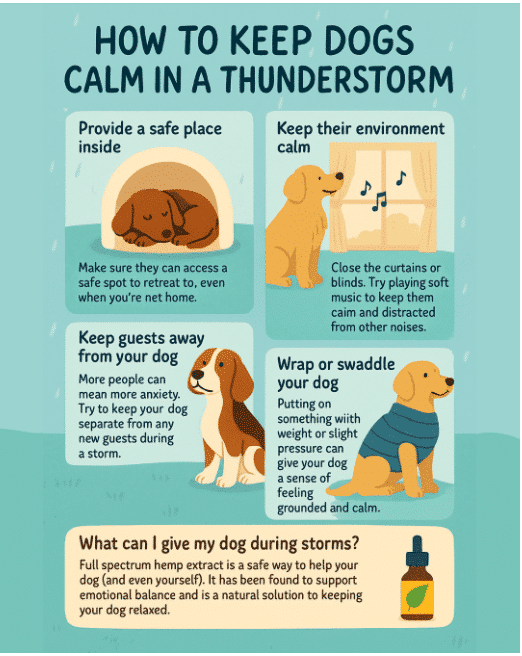
Next, consider your dog’s comfort and familiarity with the bathing process. If your dog is generally uneasy during baths, practice short, positive sessions leading up to storm season to build trust and associate bath time with rewards. Keep your dog on a leash or in a secure harness to prevent sudden escapes or panicked movements during the storm. Some pet owners find that playing calming music or white noise can help drown out thunder sounds, further reducing stress. Additionally, if your dog reacts strongly to thunderstorms, using a calming vest or anxiety wrap can provide gentle, constant pressure that mimics a comforting hug, helping to soothe nervous dogs during baths. Remember, your calm demeanor and patience are key—dogs often pick up on their owner’s emotions, so stay relaxed and reassuring.
Lastly, gather all necessary supplies before starting—shampoo, towels, brushes, and soothing products—so you won’t need to leave your dog alone or leave the bath mid-way. Having everything within arm’s reach minimizes disruptions, allowing you to focus on calming your dog. Incorporate familiar toys or a blanket with a comforting scent into the process. This creates a sense of security and familiarity, which can be especially helpful when your dog is already feeling anxious due to the storm outside. Thoughtful preparation helps set the stage for a safer, less stressful bathing experience, even when thunderstorms roll in unexpectedly.
Choosing the Right Time and Setting for Washing Your Dog in Stormy Weather
Timing is everything when it comes to bathing your dog during thunderstorms. If possible, plan your dog’s bath well before the storm arrives or wait until the storm passes. Early mornings or evenings, when thunderstorms are less frequent, offer better opportunities for a calm bath. However, if your dog gets dirty or needs a wash during a storm, try to choose a time when the thunder is less intense, or at least when your dog is relatively calm. Keeping an eye on weather reports and planning your grooming around the forecast can significantly reduce your dog’s exposure to fearful triggers during stormy weather.
Creating a consistent routine around bathing can also help reduce anxiety. Dogs thrive on predictability, so if you establish a regular schedule—preferably during calm days—they’ll be less likely to associate baths with stressful weather. If a storm is brewing and you know it might become unpredictable, consider postponing the bath until the weather clears, if possible. When bathing during thunderstorms, avoid sudden movements or loud noises that could escalate your dog’s fear. Instead, speak softly and use gentle, deliberate actions. Ensuring the setting is warm, quiet, and free of sudden stimuli can make a significant difference in calming your dog and making the process safer for both of you.
In addition to timing, consider the environment’s overall safety. Use a non-slip mat in the bathing area to prevent slips, which can startle or injure your dog. Keep bathwater lukewarm—extreme temperatures can increase discomfort and stress. If your dog is particularly sensitive to noise or has a history of thunderstorms phobia, try bathing during a calm day or in a familiar environment that they trust. Even during stormy weather, maintaining a peaceful, controlled setting helps your dog feel more secure and less reactive, making it easier to complete their bath without escalating anxiety or risk.
Techniques for Gentle Handling and Comforting Your Dog Throughout the Bath
Handling your dog with gentle, confident movements is crucial when bathing during thunderstorms. Dogs are highly perceptive of human emotions; if you remain calm and composed, your dog is more likely to mirror that tranquility. Use slow, smooth gestures when washing and rinsing your pet, avoiding sudden or loud actions that could trigger further anxiety. Talking softly and reassuring your dog throughout the process can provide comfort—say things like “Good girl,” or “You’re doing great,” in a soothing tone. Remember, patience is key—if your dog becomes overwhelmed, it’s okay to pause, give them a break, and resume once they’ve calmed down.
During the bath, make sure to handle your dog gently and supportively, especially around sensitive areas such as the face, ears, and paws. Use a gentle touch when applying shampoo and rinsing—avoiding excessive scrubbing, which can irritate skin and increase stress. If your dog shows signs of panic, such as trembling, trying to escape, or vocalizing loudly, stop the activity momentarily. Give them a moment to breathe and relax, then try again when they seem more settled. Using positive reinforcement—like treats or praise—during and after the bath can also help build a positive association with grooming, even during stressful weather.
Another effective technique is to incorporate gradual desensitization. For example, start by getting your dog used to the sound of running water with a tap or hose in a safe environment, and gradually introduce the bathwater over time. During thunderstorms, mimic these calming routines to help your dog associate the process with comfort rather than fear. Keep your voice steady and reassuring, and always be aware of your dog’s body language. If they seem anxious or tense, slow down or pause until they relax. This gentle, patient approach fosters trust and makes the bathing experience safer and more manageable during thunderstorms.
Tips for Using Calm Distractions and Soothing Products to Reduce Anxiety
Distractions are powerful tools for diverting your dog’s attention away from thunderstorms and fear-inducing stimuli during bath time. Toys filled with treats or frozen kongs can keep your dog engaged and focused on something positive, preventing them from fixating on the storm outside. Playing calming music or white noise can also help mask thunder sounds, creating a more serene environment for bathing. These auditory distractions not only reduce fear but also help your dog stay relaxed and less reactive during the process.
Alongside distractions, consider using soothing products specifically designed for anxious or sensitive dogs. Calming sprays or wipes infused with natural ingredients like lavender or chamomile can be applied to your dog’s coat or bedding beforehand. These products release gentle scents that promote relaxation and reduce stress. Some pet owners find that pheromone diffusers or calming collars are effective in providing ongoing reassurance during baths. When selecting calming products, always check for vet approval and ensure they are safe for your dog’s age and health condition.
Finally, incorporate physical comfort measures into your bathing routine to enhance your dog’s sense of security. Use a calming vest or anxiety wrap, which applies gentle pressure and mimics a comforting hug. These tools can significantly reduce anxiety levels, especially during thunderstorms, by providing a steady, comforting sensation. Additionally, speak softly and use a reassuring tone throughout the bath, making your dog feel safe and cared for. Combining distractions with calming products creates a multi-layered approach that helps your dog associate bath time with comfort, even amidst stormy weather.
Post-Wash Care and Strategies to Calm Your Dog After the Storm
Once the bath is complete, your work isn’t necessarily done—your dog may still be feeling vulnerable or anxious after the storm subsides. Providing a warm, cozy environment where your dog feels safe is essential. Offer a favorite blanket or bed in a quiet corner, and spend some time cuddling or petting your dog gently. Physical affection, combined with soothing words and a calm voice, helps reinforce a sense of security and trust. If your dog is still trembling or showing signs of residual anxiety, consider offering a calming treat or a favorite toy to help redirect their focus.
It’s also helpful to keep your dog engaged in relaxing activities after the bath to reinforce positive feelings. Gentle play, such as soft tug-of-war or a slow walk in a familiar space, can help them release tension and regain confidence. Avoid loud noises or sudden movements immediately after the storm and bath, as these can trigger anxiety again. If your dog’s storm phobia is severe, consult a professional trainer or veterinarian for specialized calming techniques or behavior modification plans. In some cases, a vet-prescribed supplement or medication might be recommended to ease anxiety during future storms.
Finally, establish a routine that includes comforting post-bath procedures to help your dog recover from storm-related stress. Regularly scheduled cuddles, treats, or calming massages can foster a sense of security and trust over time. If thunderstorms are frequent in your area, creating a “safe space” where your dog can retreat—such as a cozy crate or a designated quiet room—can provide ongoing reassurance. Remember, patience and consistency are key in helping your dog overcome storm-related anxiety, so celebrate small victories along the way and prioritize their emotional well-being during these challenging weather events.
Conclusion
Bathing your dog during thunderstorms doesn’t have to be an overwhelming ordeal for either of you. By carefully preparing your environment, choosing the right timing, employing gentle handling techniques, and using calming distractions, you can create a safe and soothing experience for your furry friend—even when the weather outside is frightening. Post-bath care that emphasizes comfort and reassurance further helps your dog recover from any residual storm anxiety. Remember, every dog is unique, and patience is essential. With consistent practice and compassionate care, you can help your dog feel more secure and relaxed during storms—making bath time a less stressful experience in the long run. Keep learning, stay calm, and your dog will thank you for your understanding and support.