

How to Safely Wash Your Dog in a Multi-Pet Household: Tips & Tricks
Bathing your dog is an essential part of pet care, but it can become a complex task when you have multiple furry friends sharing your space. Whether you’re trying to keep the peace among pets or prevent cross-contamination, bathing in a multi-pet household requires extra planning, patience, and safety measures. This guide will walk you through the best practices to ensure your dog gets a thorough clean while maintaining harmony and hygiene among all your pets. From preparing the bathing area to post-bath cleanup, you’ll learn practical tips that make the process safer, less stressful, and more enjoyable for everyone involved.
Preparing the Bathing Area and Gathering Supplies for a Multi-Pet Household
Getting your space ready before bath time can significantly reduce stress and potential issues during the process. First, choose a designated bathing area that’s easy to clean and has enough space for you and your pets. This could be a bathtub, a utility sink, or an outdoor setup if the weather permits. Make sure the flooring is non-slip to prevent accidents, especially when handling energetic or nervous dogs. Clear the area of any clutter or items that could hinder movement or cause accidents, and consider using waterproof mats or towels to protect surfaces.
Having all your supplies within arm’s reach is crucial in a multi-pet household. Prepare a dedicated kit that includes dog shampoo suited to your pet’s coat and skin type, a brush or comb, towels, a cup or sprayer for rinsing, and possibly a non-slip mat for the bathing surface. It’s also wise to have treats and calming aids on hand to help keep your dog relaxed during the bath. Label supplies if you tend to share them among multiple pets to avoid accidental use of pet-specific products on the wrong animal. Organizing everything beforehand minimizes disruptions and keeps the bathing process smooth and efficient.
Additionally, consider the temperament and size of your pets when setting up your bathing area. Larger or more anxious dogs may require extra space or calming tools such as pheromone sprays or calming music. If your household includes pets with specific sensitivities or medical conditions, prepare their grooming products separately to prevent allergic reactions or irritation. Planning for the unique needs of each animal ensures safety and comfort, making the experience more positive for your pets and reducing the risk of accidents like slips or escapes during bath time.
Managing Pet Interactions and Minimizing Stress During Dog Baths
In a household with multiple pets, managing their interactions during bath time is key to preventing stress, injuries, or conflicts. Many animals pick up on each other’s anxiety, so maintaining a calm and controlled environment helps keep everyone relaxed. Start by keeping pets who aren’t being bathed in a separate area or behind a barrier, like a pet gate, to prevent them from crowding the bathing space or becoming overly anxious. If your pets are social and comfortable with each other, supervise their interactions closely, but always prioritize safety—never leave a dog unattended in the bath area with other pets nearby.
Using calming techniques can make a significant difference. Speak in soothing tones, offer treats, and consider using calming sprays or pheromones designed for pets. If your dog is particularly anxious, a calming wrap or a gentle massage before the bath can help relax muscles and reduce stress. For pets that are more territorial or reactive, consider bathing them separately and then allowing supervised socialization afterwards. Remember, patience is key; rushing or forcing your dog into the bath can heighten anxiety and lead to accidental bites or scratches.
Establishing a routine helps pets understand what to expect, which can reduce their stress over time. Consistency in the bathing process, such as bathing at the same time and using the same commands, makes the experience predictable and less intimidating. Be attentive to signs of stress or fear, such as trembling, barking, or attempting to escape, and adjust your approach accordingly. If necessary, enlist the help of another person to gently hold or comfort your dog while you wash, ensuring everyone stays safe and the process remains as calm as possible.
Ensuring Safe and Effective Washing Techniques for Your Dog in a Shared Environment
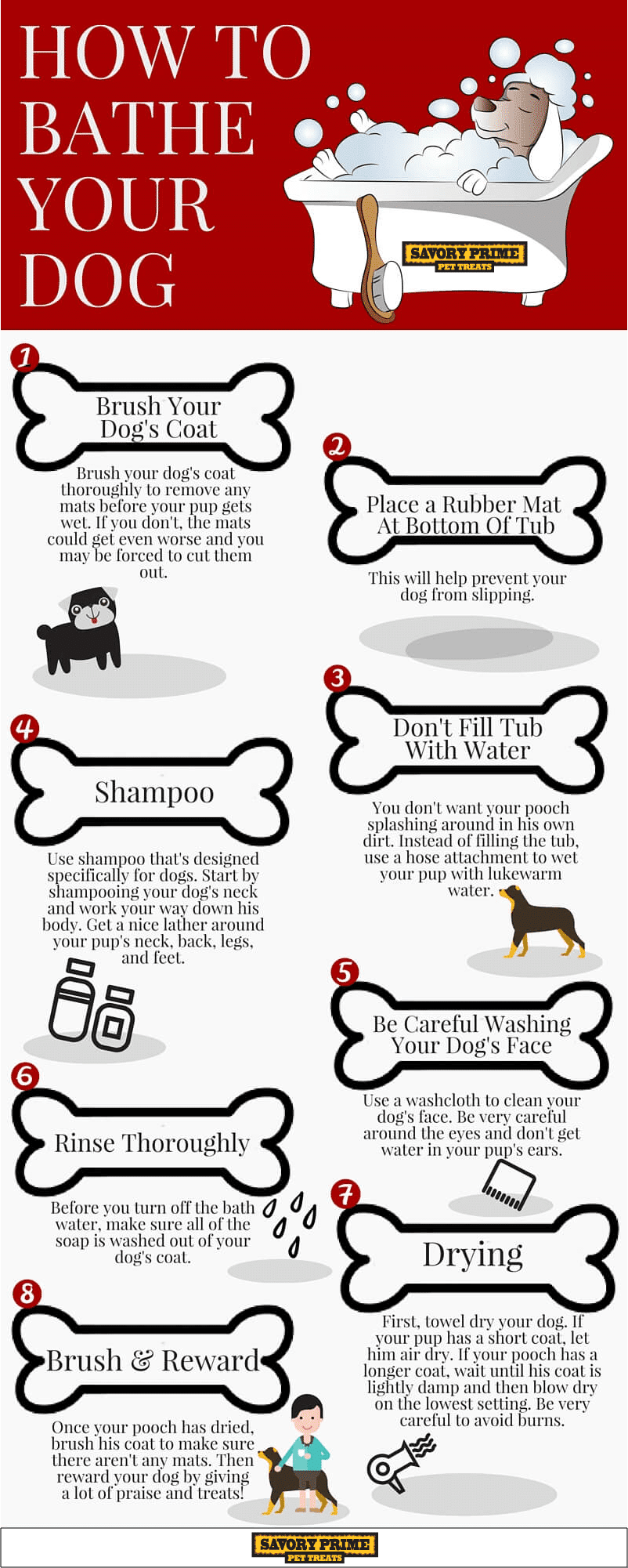
Using proper bathing techniques not only ensures your dog gets clean but also promotes skin health and prevents accidents. Always check the water temperature before starting; lukewarm water is ideal—hot water can burn skin, while cold water can cause discomfort or shock. Pour water gently over your dog’s body, avoiding the face, ears, and eyes. When washing the face, opt for a damp cloth rather than spraying directly, which minimizes stress and water getting into sensitive areas.
Choose a gentle, veterinarian-recommended dog shampoo suitable for your pet’s coat and skin condition. Avoid using human shampoos or harsh chemicals, as they can cause irritation or strip natural oils. When applying shampoo, lather thoroughly but gently, taking care to clean areas like the paws, underbelly, and ears. Rinse thoroughly to remove all soap residue, which can cause itching or dryness if left behind. Using a detachable showerhead or a cup for rinsing provides better control and helps prevent water from splashing into your dog’s eyes or ears.
During the wash, stay calm and speak softly to your dog, offering reassurance throughout the process. For larger or more active dogs, consider using a harness or leash to prevent sudden movements and ensure safety. If your household includes other pets, do your best to keep them out of the bathing area or behind barriers to prevent distractions or interruptions. After rinsing, check your dog for any signs of skin irritation, and dry them thoroughly with towels or a pet-safe blow dryer on a low, cool setting to prevent chills. Proper technique and gentle handling are essential to making bath time a safe, effective, and positive experience.
Drying and Post-Bath Care Tips to Maintain a Clean and Calm Household
Proper drying after the bath is vital for your dog’s comfort and health, especially in a multi-pet household where lingering moisture can lead to infections or unpleasant odors. Use soft, absorbent towels to gently pat your dog dry, focusing on areas prone to moisture buildup like the ears, paws, and underbelly. For long-haired breeds or dogs prone to matting, a blow dryer set on low and cool can speed up the process, but always keep the nozzle moving to avoid overheating or discomfort.
Once your dog is dry, spend a few minutes brushing their coat to remove loose fur and prevent matting. This is also an excellent opportunity to check for any skin abnormalities, parasites, or injuries that may need attention. For households with multiple pets, ensure your grooming tools are cleaned and disinfected after each use to prevent transmitting parasites, bacteria, or fungi from one pet to another. Keeping the environment calm post-bath—such as by offering a cozy, quiet space—helps your dog relax and associate bath time with positive experiences.
Post-bath hygiene extends to the household as well. Wash any towels, brushes, or bath mats used during the process regularly to maintain a clean environment. If your dog shows signs of skin irritation or allergies after bathing, consult your veterinarian for appropriate treatment or product alternatives. Additionally, keep your pets indoors or in a designated clean area until their fur is completely dry, especially in colder weather, to prevent chills or illness. Proper drying and post-bath care are essential steps toward keeping your dog comfortable and your home hygienic.
Preventing Cross-Contamination and Maintaining Hygiene Among Multiple Pets
In a multi-pet household, preventing cross-contamination is crucial for maintaining overall hygiene and reducing the risk of disease transmission. Always wash your hands thoroughly after bathing each dog, especially before touching other pets, to prevent the spread of parasites, bacteria, or fungi. Use dedicated grooming tools for each pet, or sanitize tools after each use with appropriate disinfectants. This practice helps eliminate shared germs and keeps everyone healthy.
Designate specific towels, brushes, and bathing accessories for each dog, and store them separately to avoid accidental sharing. For pets with known health issues or skin conditions, take extra precautions by bathing them in separate areas and using distinct supplies. Regular cleaning of the bathing area itself—disinfecting surfaces, drains, and any other fixtures used—is vital to prevent buildup of pathogens. If you notice signs of infections, such as skin rashes, itching, or unusual odors, consult your veterinarian promptly for diagnosis and treatment.
Monitoring your pets for parasites like fleas, ticks, or mites and applying preventatives as recommended can further reduce contamination risks. Consider setting up a routine schedule for bathing and grooming that minimizes overlapping or crowding, especially during sensitive periods like flea season or illness recovery. Maintaining high standards of hygiene not only protects your pets but also ensures a cleaner, safer environment for the entire household, making pet care more manageable and less stressful.
Conclusion
Bathing your dog in a multi-pet household doesn’t have to be a stressful or risky task. By preparing the bathing area and supplies in advance, managing pet interactions, and employing safe washing techniques, you can create a positive experience for your furry friends. Proper drying and post-bath care help maintain skin health and household cleanliness, while diligent hygiene practices prevent cross-contamination among pets. Remember, patience and consistency are your best tools—over time, your pets will associate bath time with comfort and care. With these tips and tricks, you can keep your dogs healthy, happy, and clean, all while maintaining a harmonious multi-pet home.