


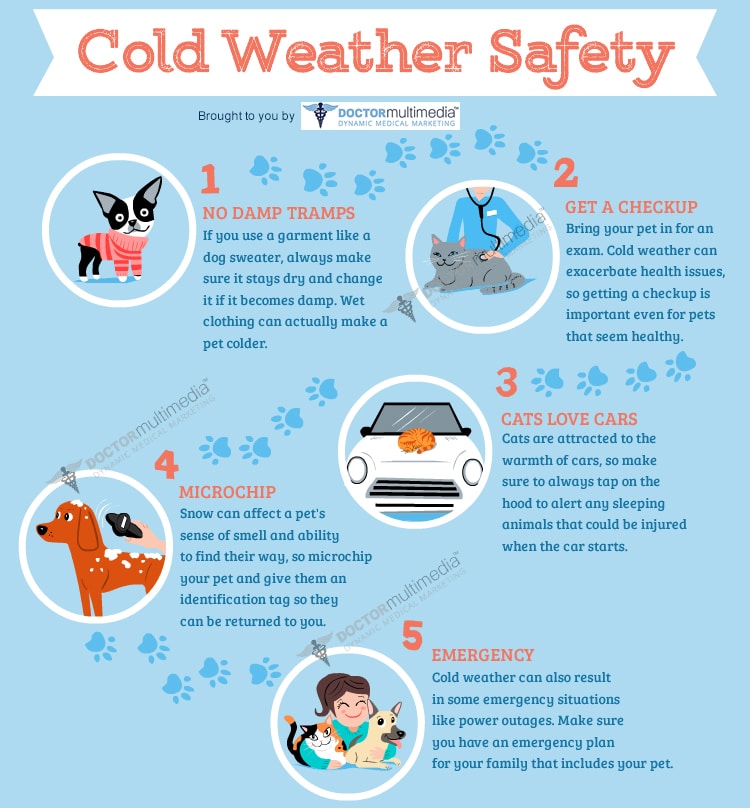
How to Safely Wash Your Dog in Cold Weather: Tips and Precautions
Keeping your dog clean and healthy is an essential part of responsible pet ownership, but doing so during the cold winter months requires extra care and preparation. Bathing your dog in cold weather can pose risks if not handled properly, such as hypothermia or skin irritation. However, with the right approach, you can keep your furry friend fresh and comfortable without sacrificing their safety or well-being. This article provides a comprehensive guide on how to safely wash your dog during cold weather, including tips on preparing, choosing the right environment, step-by-step instructions, drying techniques, and winter coat maintenance.
Preparing for a Cold Weather Dog Bath
Before you even turn on the water, preparation is key to ensuring a safe and stress-free bathing experience for your dog. First, assess if your dog truly needs a bath—winter isn’t the best time for frequent bathing unless your dog is particularly dirty or has skin issues. When you do decide to bathe your dog, gather all necessary supplies beforehand, including dog-specific shampoo, towels, a non-slip mat, and a warm, draft-free area. Having everything within reach minimizes the time your dog spends exposed to cold air and reduces stress during the process.
It’s also important to consider your dog’s health and age. Puppies, senior dogs, or those with health problems are more vulnerable to the cold and should be bathed only if necessary and with extra precautions. Make sure your dog is well-fed and hydrated before the bath, as a healthy dog can better regulate body temperature and recover quickly if they do get cold. Additionally, check for any skin irritations, wounds, or signs of illness—if your dog has skin conditions, consult your vet about appropriate winter bathing routines.
Lastly, plan your bathing session during the warmest part of the day, usually mid-morning to early afternoon. Avoid bathing your dog in the evening or early morning when temperatures drop and the air is colder. This foresight helps prevent unnecessary exposure to freezing temperatures and ensures your dog stays warmer during and after the bath.
Choosing the Right Environment and Equipment for Cold Weather Baths
Selecting the right environment and equipment can make a significant difference in keeping your dog safe and comfortable during winter baths. Ideally, choose a space that is warm, draft-free, and easily accessible, such as a heated garage, a bathroom with a space heater, or a utility room. If you must bathe your dog outdoors, do so only if the weather is relatively mild, and be prepared to move quickly to a warm, sheltered area afterward. Remember, outdoor baths in freezing conditions can lead to rapid hypothermia, especially if your dog is small or has a thin coat.
The equipment you use plays a pivotal role in the safety and comfort of your dog. Use a handheld showerhead or a spray nozzle with adjustable water flow to control the temperature and pressure, avoiding high-pressure streams that can frighten or hurt your dog. Always check the water temperature with your wrist or a thermometer—lukewarm water (around 90°F or 32°C) is ideal. Cold water can shock your pet’s system, whereas water that’s too hot can cause burns. Non-slip mats are essential to prevent slipping and anxiety during the bath. Additionally, keep plenty of towels nearby for quick drying and warm-up.
Invest in quality grooming supplies designed for dogs, including a gentle, moisturizing shampoo formulated for canine skin. Human shampoos are too harsh and can strip natural oils, leading to dryness and irritation, especially in winter when skin tends to be more sensitive. Consider using a conditioner or skin-soothing spray afterward to maintain your dog’s coat health. Lastly, have a warm, draft-free area prepared in advance for drying, as this will be crucial in preventing your dog from getting cold after their bath.
Step-by-Step Guide to Washing Your Dog Safely in Cold Weather
Bathing your dog in cold weather requires a gentle, efficient process that minimizes exposure to the elements. Start by placing your dog on a non-slip mat in the prepared warm environment. Brush your dog thoroughly before the bath to remove loose fur, mats, or debris, which can trap water and prolong the bath time. This step also helps reduce the amount of time your dog spends in water and keeps the coat easier to clean.
Next, gently wet your dog’s coat with lukewarm water, avoiding the head and ears to prevent discomfort or water ingress. Use a cup or a low-pressure spray nozzle to control the flow, and work quickly but thoroughly. Apply the shampoo starting from the neck and moving downward, massaging it into the coat and skin. Be cautious around sensitive areas such as the face, ears, and genitals—use a damp cloth for cleaning those parts if needed. Rinse thoroughly, ensuring no shampoo residue remains, as leftover soap can cause irritation, especially in cold weather.
Once rinsing is complete, gently squeeze out excess water—never wring the coat—and immediately move your dog to a warm and dry space. Use a towel to pat the coat dry and absorb as much moisture as possible. For dogs with thick coats, you may need to repeat the drying process or use a pet-safe blow dryer on a low, warm setting, keeping the nozzle at a safe distance to avoid burns. Throughout the process, speak softly and reassuringly to keep your dog calm, and keep the bathing session as brief as possible to prevent them from feeling cold or stressed.
Ensuring Proper Drying and Warm-Up After a Cold Weather Bath
Proper drying and warming are crucial steps after washing your dog in winter to prevent hypothermia and skin issues. After towel-drying your dog, move them to a warm, draft-free space such as a heated room, a garage with a space heater, or an area with a cozy dog bed. If your dog has a thick or double coat, consider using a blow dryer on the lowest heat setting, keeping the dryer moving to avoid hot spots or burns. Always test the temperature on your skin before applying it to your pet, and maintain a safe distance—at least several inches away—to prevent injury.
In addition to blow drying, you can use heated blankets or wraps designed for pets to help your dog warm up quickly. These products provide gentle heat and are especially helpful for small or short-haired breeds, who tend to lose body heat more rapidly. Keep an eye on your dog’s behavior during the drying process; signs of shivering or cold stress indicate they need more warmth or additional drying time. For outdoor baths, immediately wrap your dog in a dry, warm towel and keep them indoors as soon as possible to avoid rapid heat loss.
Monitoring your dog’s body temperature after a bath is also important. If your pet appears lethargic, shivering excessively, or shows signs of discomfort, contact your veterinarian promptly. Remember, the goal is to dry your dog thoroughly and keep them warm until their natural body temperature stabilizes. Avoid leaving your dog outside or in drafty areas after a bath, and always ensure they’re comfortable and warm before allowing them to resume normal activities.
Tips for Maintaining Your Dog’s Coat and Skin Health During Winter
Winter presents unique challenges for maintaining your dog’s coat and skin health. Cold, dry air can lead to flaky skin, irritation, and coat brittleness. To combat this, consider incorporating a veterinarian-approved omega-3 fatty acid supplement into your dog’s diet, which can promote a shiny, healthy coat and reduce skin dryness. Regular grooming is also essential—brushing your dog’s coat frequently helps distribute natural oils, remove loose fur, and prevent matting, all of which contribute to overall skin health.
Use gentle, moisturizing shampoos specifically formulated for dogs during winter months. These products can help maintain the skin’s natural moisture barrier and prevent dryness and itching. Avoid over-bathing your dog—once every 4 to 6 weeks is generally sufficient unless your dog gets particularly dirty or has skin conditions. When bathing, always follow up with a conditioner or skin lotion designed for canine use to lock in hydration. Additionally, be mindful of indoor heating systems, which can dry out your dog’s skin; using a humidifier in your home can help maintain optimal humidity levels.
Finally, pay attention to your dog’s diet and hydration. Ensure they have access to fresh water at all times, as dehydration can worsen skin issues. Regular veterinary checkups can identify early signs of skin problems or nutritional deficiencies. By proactively caring for your dog’s coat and skin during winter, you’ll help them stay comfortable, healthy, and looking their best—even in the coldest months.
In conclusion, bathing your dog in cold weather isn’t impossible, but it demands extra planning, careful environment selection, and attentive post-bath care. Prioritizing your dog’s comfort, using lukewarm water, and ensuring thorough drying are essential steps to prevent cold-related health issues. By following these tips, you can keep your furry friend clean, healthy, and happy throughout the winter season. Remember, when in doubt, consult your veterinarian for personalized advice tailored to your dog’s breed, age, and health needs.