


How to Safely Wash Your Dog Outdoors on a Hot Summer Day
Summer is a fantastic time to enjoy the outdoors with your furry friend, but it also means dealing with the challenges of keeping your dog clean and comfortable during the hottest months. Bathing your dog outdoors can be convenient and enjoyable—for both of you—if done thoughtfully and carefully. However, the heat, sun exposure, and outdoor elements bring specific safety considerations that aren’t as prominent during cooler seasons. This comprehensive guide will walk you through how to safely wash your dog outdoors on a hot summer day, ensuring your pup stays clean, cool, and happy without risking heatstroke or other health issues.
Whether you have a short-haired companion or a fluffy retriever, knowing the right techniques and precautions can turn bath time into a safe summer activity. From preparing your dog and equipment to choosing the perfect time and location, to the actual bathing process and post-bath care, each step is designed to keep your dog safe and comfortable under the summer sun. Let’s dive into these essential tips to make outdoor dog washing both effective and safe.
Preparing Your Dog and Equipment for an Outdoor Summer Bath
Getting your dog ready for an outdoor summer bath isn’t just about grabbing the hose and soap. Proper preparation helps reduce anxiety, prevents accidents, and ensures that the experience is smooth and safe. Start by gathering all necessary supplies beforehand—this includes dog-friendly shampoo, towels, a brush, a non-slip mat (if needed), and a sturdy spray nozzle or a gentle hose attachment. Using a dog-specific shampoo is crucial since human products can irritate their skin or alter their natural oils. Additionally, having a brush on hand helps remove loose fur and mats, making the bathing process more efficient.
Next, consider your dog’s temperament and health status. If your dog is particularly anxious or nervous about baths, introduce them gradually to the equipment and environment in a positive way. Use treats and praise to create associations with bathing time, which can help keep them calm during the process. If your dog has any health concerns—such as skin allergies or joint issues—consult with your veterinarian beforehand. They might recommend special shampoos or additional precautions to prevent discomfort or injury during outdoor bathing.
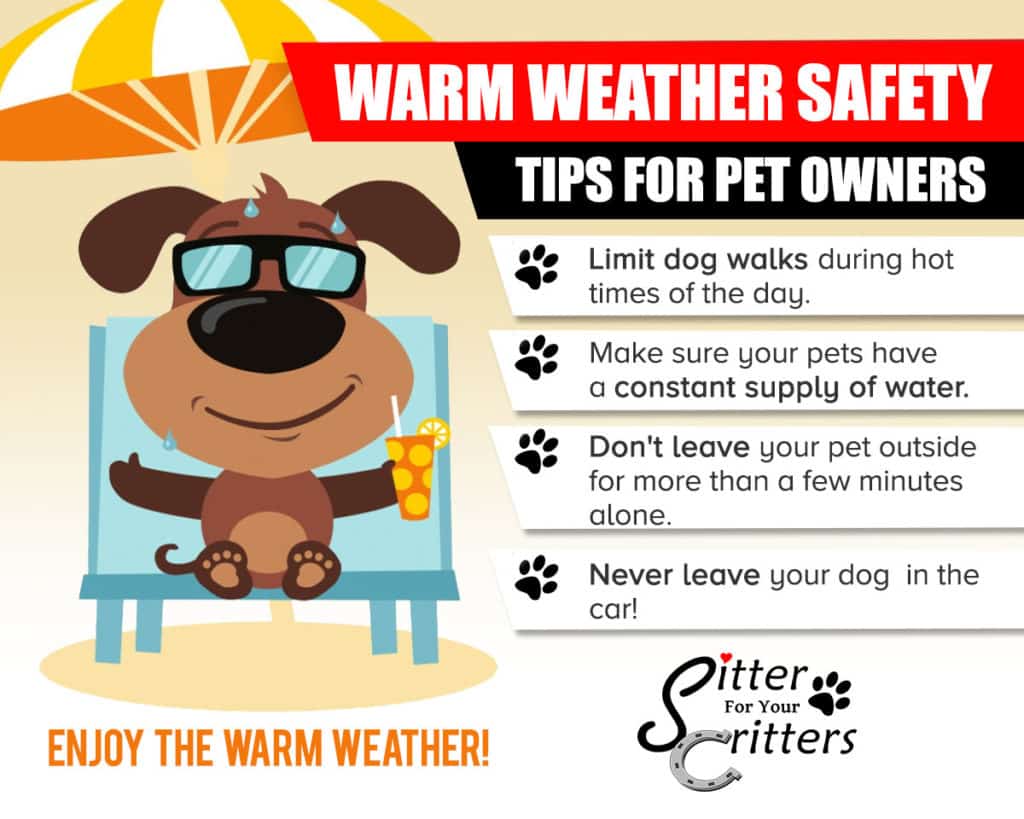
Finally, think about safety essentials. Make sure your outdoor area is secure so your dog doesn’t run off or get into trouble while wet and distracted. Check the weather forecast—aim for a day that isn’t excessively hot or humid, and avoid bathing during peak sunlight hours to prevent overheating. Additionally, prepare a shaded spot or a canopy where your dog can stay out of direct sun during or after the bath. This way, you’re setting the stage for a safe, stress-free outdoor bathing experience.
Choosing the Right Time and Location for Safe and Comfortable Dog Washing
Timing and location are critical when bathing your dog outdoors on a hot summer day. The best time to wash your dog is early morning or late afternoon when temperatures are cooler and the sun isn’t at its peak. Bathing during these times helps prevent overheating and reduces the risk of sunburn, especially if your dog has light or sensitive skin. Avoid midday baths, as the intense sun and heat can quickly lead to dehydration or heatstroke, particularly if your dog gets anxious or restless during the process.
Location matters just as much as timing. Select a shaded, flat area that provides enough space for you to move freely around your dog. A grassy backyard, shaded patio, or a spot beneath a canopy works well. If you don’t have a natural shaded area, consider setting up a portable shade or tent. Avoid bathing on concrete patios or hot surfaces where the heat can radiate and cause discomfort or burns to your dog’s paws or belly. Using a non-slip mat can also provide stability and prevent slipping on wet surfaces, especially on smooth or uneven ground.
Furthermore, ensure the area is free of hazards like sharp objects, debris, or plants that could irritate your dog’s skin. If you’re using a hose, check the water temperature beforehand—lukewarm water is optimal, as cold water can shock your dog’s system, and hot water increases the risk of burns. Establishing a comfortable environment with shade, cool water, and a calm atmosphere will make outdoor bathing safer and more enjoyable for your dog.
Step-by-Step Guide to Wetting and Applying Dog-Friendly Shampoo
Once you’ve prepared and chosen the ideal spot and time, it’s time to start the bathing process. Begin by gently wetting your dog’s coat using a hose with a gentle spray nozzle or a bucket of lukewarm water. Start from the neck and work your way down the body, being cautious around sensitive areas like the ears, eyes, and nose. Use your hand or a cup to pour water carefully—avoid high-pressure streams that might frighten or injure your dog. Proper wetting ensures the shampoo works effectively and prevents dry patches or missed spots.
Next, apply a dog-safe, moisturizing shampoo designed for outdoor use. Use your hands or a gentle brush to massage the shampoo into your dog’s coat thoroughly, paying close attention to areas prone to dirt and odor, such as paws, underbelly, and behind the ears. Be cautious around the face—use a damp cloth or sponge to clean the head, avoiding direct shampoo contact with their eyes and ears. During application, talk softly and use treats to keep your dog calm and cooperative. This positive reinforcement helps reduce stress and makes future baths easier.
As you lather, take your time to ensure the shampoo penetrates the coat and cleanses the skin effectively. Avoid overdoing it—once your dog is well-scrubbed, give a final rinse to remove all shampoo residue. Residual soap can cause skin irritation or itching, especially in outdoor environments where dirt and debris are more prevalent. Using lukewarm water for rinsing will help close the hair cuticles and leave your dog’s coat shiny and healthy. Remember, patience and gentleness are key—happy, calm dogs make for safer and more pleasant outdoor bathing experiences.
Rinsing and Drying Your Dog Effectively in Hot Weather Conditions
Thorough rinsing is essential to ensure no shampoo residue remains, which can cause skin irritation or dryness, particularly after an outdoor bath. Use a gentle spray or hose attachment on a low to medium setting to rinse from head to tail, making sure to remove all soap. Pay special attention to folds, underarms, and behind the ears—areas where soap can linger and cause discomfort. Be cautious around the face; use a damp cloth or sponge to gently wipe the area without getting water or soap directly into your dog’s eyes, ears, or nose.
Drying your dog properly in hot weather is equally important to prevent overheating. If you have access to a clean, absorbent towel, gently pat your dog dry—don’t rub vigorously, as this can irritate the skin or disturb the coat. For dogs with thick or long fur, using multiple towels or a microfiber cloth can speed up the drying process. For extra drying, you can use a blow dryer with a cool or low heat setting—just ensure it’s not too hot or loud, as this might scare your dog. Always keep the dryer moving and maintain a safe distance from their skin to avoid burns.
Additionally, allow your dog to air dry in a shaded, cool area if possible. This prevents the coat from staying damp in direct sunlight, which can cause skin irritation or fungal infections. Keep a close eye on your dog during the drying process—if they start shivering or seem uncomfortable, it’s best to finish drying quickly and get them into a cooler space. Once thoroughly dry, reward your dog with praise or treats to associate the experience with positive feelings, making future outdoor baths easier and more enjoyable.
Tips for Keeping Your Dog Cool and Hydrated During and After the Bath
Keeping your dog cool and hydrated is crucial during outdoor baths in the summer heat. Before starting, ensure your dog has access to fresh, cool water—offering a drink before, during, and after the bath helps prevent dehydration. If your dog is hesitant to drink, try adding a little low-sodium broth to their water bowl for extra flavor or encouraging sips with treats or ice cubes. During the bath, take periodic breaks if your dog seems stressed or overly warm, and offer water to keep them refreshed.
While bathing outdoors in the heat, consider using cooling methods to help your dog stay comfortable. A damp, cool cloth placed on their paws or belly can help regulate their body temperature. Some owners use specially designed cooling vests or mats that absorb and dissipate heat, providing instant relief. If your dog tolerates it, a gentle spray of cool water over their coat during or after the bath can also help lower their temperature. Never use ice-cold water or ice packs directly on your dog; sudden cold exposure can cause shock or discomfort.
Post-bath, keep your dog in a shaded area until they’re completely dry and cool. Avoid vigorous play or exercise immediately after bathing—wait until your dog is fully dry and has regained their normal energy level. Monitor them closely for signs of overheating, such as excessive panting, drooling, or weakness, especially in hot weather. Offer plenty of fresh water and consider providing a cool, ventilated resting spot. By paying attention to these hydration and cooling tips, you’ll help your dog stay safe, happy, and healthy during outdoor summer baths.
Conclusion
Bathing your dog outdoors on a hot summer day can be a rewarding experience for both owner and pet—if done with safety and care in mind. Proper preparation, including gathering the right equipment and selecting a shaded, cool location at the right time, sets a solid foundation. Following a gentle, step-by-step bathing process ensures your dog is clean without unnecessary stress or discomfort, while thorough rinsing and effective drying help prevent skin issues and overheating.
Most importantly, remember that keeping your dog cool and hydrated during and after the bath is essential for their well-being. Using cooling techniques, offering plenty of water, and providing a shaded rest area will keep your furry friend comfortable in the summer heat. By incorporating these tips into your outdoor bathing routine, you can make summer grooming a safe, enjoyable activity that strengthens the bond between you and your dog—while keeping them happy, healthy, and cool all season long.