


How to Soothe Itchy Skin After a Dog Bath: Tips & Remedies
Giving your dog a bath is an essential part of pet care, helping keep them clean, healthy, and happy. However, sometimes after a bath, your furry friend might start scratching, biting, or showing signs of skin irritation—an experience that can be quite distressing for both you and your pet. If your dog is itching excessively after bathing, it’s crucial to understand why this happens and how to effectively soothe their skin, preventing discomfort and potential skin infections.
In this article, we’ll explore the common causes of itchy skin following a dog bath, practical steps you can take immediately to relieve your dog’s discomfort, the best products and home remedies suitable for soothing irritated skin, preventative strategies to avoid future skin issues, and when to consult your veterinarian for persistent or severe itching. Armed with this knowledge, you’ll be better equipped to ensure your dog remains comfortable, especially after bath time, and maintain their overall skin health.
Understanding the Causes of Itchy Skin After a Dog Bath
Itchy skin after a bath can stem from a variety of factors, ranging from the shampoo used to underlying skin conditions. Recognizing these causes is vital for choosing the right remedy and preventing further discomfort for your dog. Often, the root of the problem lies in the ingredients of the bathing products or an allergic reaction, but other issues such as dry skin or infections may also be involved.
One of the most common reasons dogs experience itching post-bath is an allergic reaction to the shampoo or grooming products. Many commercial dog shampoos contain harsh chemicals, fragrances, or preservatives that can strip the skin’s natural oils or trigger sensitivities. Dogs with sensitive skin are particularly prone to irritation, which manifests as redness, itching, or flakiness after a bath. Always opt for hypoallergenic, vet-approved shampoos formulated specifically for dogs, especially if your pet has a history of skin sensitivities.
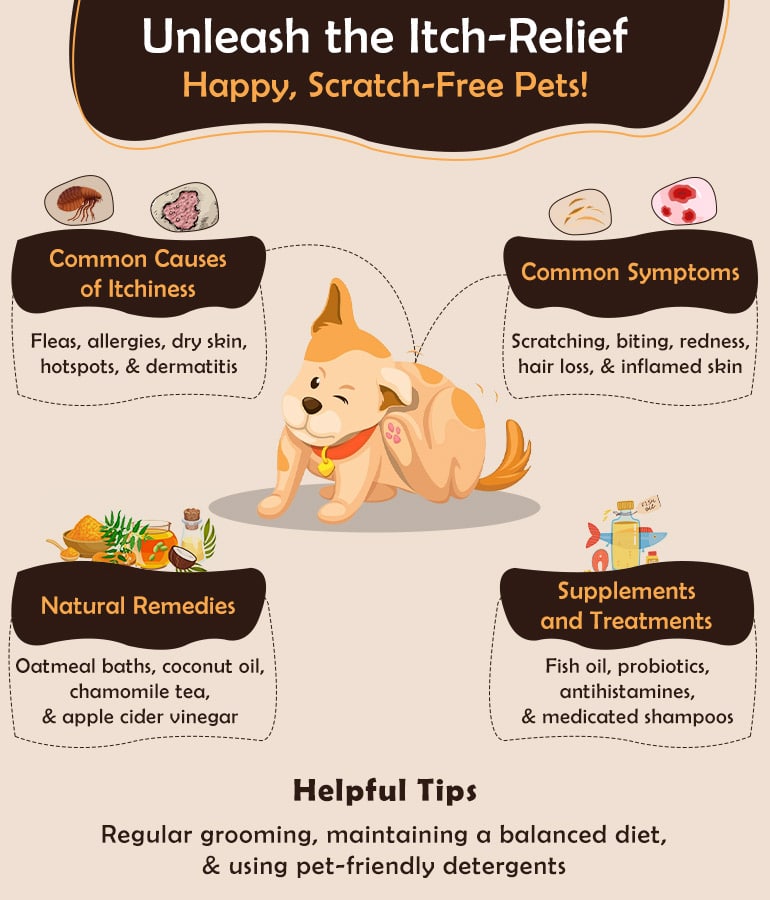
Beyond allergic reactions, over-bathing or using excessively hot water can also lead to dry, itchy skin. Bathing too frequently removes the natural oils that protect the skin’s barrier, leaving it dry and more susceptible to irritation. Additionally, underlying skin conditions such as dermatitis, yeast infections, or parasites like fleas and mites can cause itching that worsens after bathing. In such cases, the bath might temporarily soothe the skin but ultimately exacerbate the irritation if not properly addressed.
Environmental factors and diet can also play a role. For example, seasonal allergies or nutritional deficiencies might cause your dog’s skin to become flaky and itchy, which can intensify after a bath due to the removal of oil layers. Understanding your dog’s unique sensitivities and health history will help you pinpoint the true cause of post-bath itching, allowing you to tailor your approach accordingly.
Immediate Steps to Relieve Your Dog’s Skin Discomfort
When your dog starts scratching or biting at their skin after a bath, prompt action can significantly reduce their discomfort and prevent the issue from escalating. The first step is to gently rinse your dog with clean, lukewarm water to wash away any residual shampoo or irritants that might still be on their skin. This simple act can help remove lingering chemicals and ease some of the itching.
Next, carefully dry your dog with a soft towel or use a gentle, pet-safe blow dryer set to a cool or low heat setting. Avoid vigorous rubbing, which can further irritate sensitive skin. Proper drying is essential because damp fur and skin can promote the growth of yeast or bacteria, leading to infections that worsen itching. Ensuring your dog’s skin is thoroughly dry can provide immediate relief and protect against secondary infections.
Finally, consider applying an over-the-counter soothing product or remedy designed for dog skin. Products containing natural ingredients like aloe vera, colloidal oatmeal, or chamomile can provide instant relief for itchy, irritated skin. For minor irritations, a cool compress applied gently to affected areas can also help reduce inflammation and soothe discomfort. Always observe your dog closely after these steps; if scratching persists or worsens, it’s time to explore more targeted remedies or seek veterinary advice.
Remember, quick and gentle intervention not only relieves your dog’s current discomfort but also helps prevent skin infections or further irritation. Being attentive to their skin’s response and adjusting your approach accordingly can make a noticeable difference in their post-bath comfort.
Choosing the Right Soothing Products and Home Remedies
When it comes to soothing itchy skin after a bath, selecting the appropriate products or natural remedies is key. There is a wide array of options available, but prioritizing gentle, pet-safe ingredients will ensure your dog’s skin is cared for without causing additional irritation. Among the most recommended are colloidal oatmeal shampoos and conditioners, which are specially formulated to calm inflamed and itchy skin while restoring moisture.
Aloe vera is another popular remedy known for its anti-inflammatory and healing properties. Applying pure aloe vera gel (ensuring it is free from added alcohol or fragrances) directly onto irritated areas can provide immediate relief. In addition, natural oils like coconut oil possess antifungal and moisturizing benefits, making them suitable for dry, flaky skin. However, it’s important to use small amounts and avoid overly greasy applications that could trap dirt or exacerbate irritation.
Home remedies such as chamomile or green tea rinses also offer soothing effects. Brew a strong chamomile tea, let it cool completely, and then use it as a rinse after bathing. The natural antioxidants and anti-inflammatory compounds in chamomile can help calm irritated skin. Similarly, a diluted apple cider vinegar solution (one part vinegar to three parts water) can help restore the skin’s pH balance and combat bacterial or fungal overgrowth. Always perform a patch test first and avoid these remedies if your dog has open wounds or broken skin, as they can cause discomfort.
In addition to topical treatments, dietary supplements like omega-3 fatty acids or probiotics can support skin health from within. These supplements promote a healthy immune response and reduce inflammation, which may decrease the likelihood of sensitivity or irritation after future baths. Consulting your veterinarian for tailored recommendations can ensure you choose the safest and most effective remedies for your dog’s specific needs.
Preventative Measures to Avoid Future Skin Irritation
Prevention is always better than cure, especially when it comes to your dog’s skin health. Establishing a regular grooming routine with suitable products and techniques can significantly reduce the chances of post-bath itching. For example, using a gentle, hypoallergenic shampoo formulated for sensitive skin and bathing at appropriate intervals (usually once every 4-8 weeks, depending on the breed and activity level) can help maintain skin integrity without stripping natural oils.
It’s equally important to thoroughly rinse your dog after shampooing to remove all residue, which can cause irritation if left behind. Using lukewarm water and avoiding harsh scrubbing can prevent unnecessary trauma to the skin. Additionally, ensuring your dog’s environment is clean and free of irritants such as dust, pollen, or chemicals from cleaning products can minimize exposure to allergens that trigger skin sensitivities. Regular vacuuming and washing of bedding help keep these potential irritants at bay.
Diet also plays a crucial role in skin health. Incorporating high-quality, balanced nutrition rich in omega-3 and omega-6 fatty acids, as well as avoiding food allergens, can strengthen your dog’s skin barrier and reduce inflammation. Regular veterinary checkups will help identify any underlying allergies or skin conditions early, allowing for prompt management before they become severe. Implementing a consistent, gentle grooming routine paired with a healthy lifestyle is the best way to keep your dog’s skin resilient and less prone to irritation after baths.
Finally, consider using protective measures like a calming grooming spray or a natural skin barrier cream after baths to reinforce the skin’s defenses. Monitoring your dog’s skin regularly and promptly addressing minor issues can prevent more significant problems from developing, ensuring your pet remains comfortable and itch-free.
When to Seek Veterinary Advice for Persistent or Severe Itching
While minor itching after a bath can often be managed with home remedies, persistent or severe skin issues warrant professional veterinary attention. If your dog continues to scratch, bite, or lick their skin excessively over several days despite your efforts, it’s essential to consult a veterinarian. Prolonged itching can lead to open wounds, secondary infections, or worsening skin conditions that require targeted treatment.
Additionally, if you notice other symptoms such as redness, swelling, hair loss, foul odor, or the presence of sores, these signs indicate an underlying problem that may not resolve on its own. In cases where your dog shows signs of allergic reactions like swelling around the face, difficulty breathing, or vomiting, seek emergency veterinary care immediately. These could be signs of a severe allergic response requiring urgent treatment.
Severe itching that does not respond to over-the-counter remedies or changes in grooming habits could also be linked to underlying conditions such as skin infections, yeast overgrowth, parasitic infestations, or autoimmune diseases. Your veterinarian can perform skin scrapings, allergy testing, or blood work to diagnose the root cause accurately. Proper diagnosis is crucial for effective treatment, which may include medications, dietary changes, or specialized skincare routines.
Remember, your dog’s comfort and health are paramount. Timely veterinary intervention can prevent complications, relieve ongoing discomfort, and help restore healthy, itch-free skin. Don’t hesitate to seek professional advice if you’re unsure or if your dog’s condition worsens.
Conclusion
Managing itchy skin after a dog bath involves understanding the underlying causes, taking immediate relief measures, choosing the right soothing products, and adopting preventative strategies. Recognizing whether your pet’s irritation stems from allergies, harsh products, or underlying skin conditions is key to addressing the problem effectively. Simple steps like rinsing thoroughly, drying carefully, and applying pet-safe remedies can offer immediate comfort, while long-term prevention includes selecting gentle grooming products, maintaining a healthy diet, and keeping your environment clean.
However, always be vigilant for signs that indicate more serious health issues. Persistent or severe itching, especially when accompanied by other symptoms, requires professional veterinary advice. With attentive care and appropriate remedies, you can ensure your dog remains comfortable, happy, and free from skin irritation after bath time. Keeping your pet’s skin healthy not only enhances their comfort but also contributes to their overall well-being and happiness.