


How to Spot Skin Allergies During Washing: Signs and Tips to Protect Your Skin
Dealing with skin irritation can be frustrating, especially when it’s linked to something as routine as washing your clothes. Skin allergies caused by laundry products are more common than many realize, and recognizing the signs early can prevent discomfort and long-term skin issues. Whether you have sensitive skin or just want to ensure your laundry habits are safe, understanding how to spot skin allergies during washing is vital. This article will walk you through the key signs to look out for, identify potential allergens in your laundry products, and share practical tips to protect your skin while maintaining a clean wardrobe.
Recognizing Common Signs of Skin Allergies During Washing
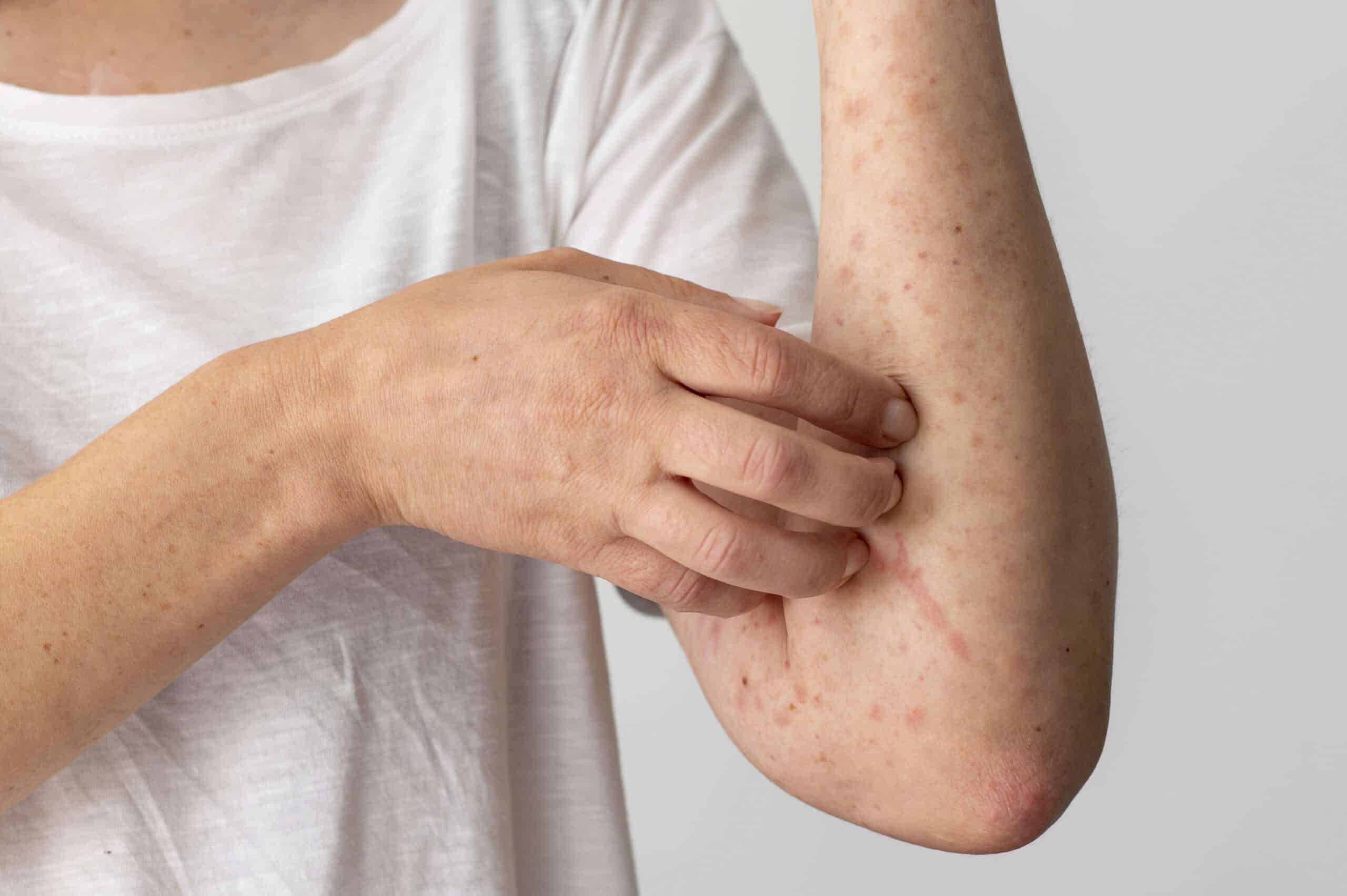
When your skin reacts to laundry products, the signs can be subtle at first but often become more obvious over time. The most common indicators include persistent itching, redness, or rash after wearing freshly washed clothes. For many, these symptoms appear shortly after laundry day, especially if the clothing hasn’t been rinsed thoroughly or if the detergent used contains harsh chemicals. Pay attention to areas where clothing fits tightly, such as the waist, underarms, or around the neck, as these spots are more prone to irritation.
In addition to visible redness or rash, skin allergies may cause small bumps, blisters, or dry, flaky patches. These signs often accompany itching or burning sensations that can range from mild discomfort to severe irritation. If you notice that certain clothes, after washing, cause your skin to become inflamed or irritated more than usual, it’s a strong sign that your laundry routine might be contributing to skin allergies. Recognizing these symptoms early helps you take corrective actions before the allergy worsens or spreads.
It’s also worth noting that some skin reactions are delayed, appearing hours or even days after washing. This delayed response can make it tricky to connect the irritation directly to laundry products. Commonly, this manifests as eczema or dermatitis, which might be characterized by persistent dry patches, cracked skin, or oozing blisters. If these symptoms happen frequently after laundry, it’s time to investigate your washing habits and products used, as they could be the culprits behind your skin sensitivities.
Identifying Potential Allergens in Laundry Detergents and Fabric Softeners
Laundry detergents and fabric softeners are formulated to clean and soften clothes, but they often contain ingredients that can trigger skin allergies. Common allergens include fragrances, dyes, preservatives, and certain enzymes used in cleaning formulations. Fragrances, both synthetic and natural, are among the primary culprits because they can cause allergic contact dermatitis in sensitive individuals. Many laundry products heavily advertise their "fragrance-free" options, underscoring how potent this ingredient can be.
Dyes in laundry products are another common source of skin irritation. These colored chemicals are added for aesthetic reasons but can cause allergic reactions, especially in people with sensitive skin. Some fabric softeners also contain preservatives like parabens or formaldehyde-releasing agents, which can lead to skin contact allergies. Additionally, enzymes used in detergents to break down stains may be irritating for certain individuals, particularly those with pre-existing skin conditions.
Understanding the composition of your laundry products is crucial for allergy prevention. Always read labels carefully—look for products labeled “hypoallergenic,” “free from dyes and fragrances,” or “dermatologist-tested.” If you notice your skin reacting after washing, consider whether any of these ingredients are present. Choosing products with natural, plant-based ingredients or those specifically designed for sensitive skin can go a long way in reducing allergy risks. Also, keep in mind that some individuals may react to certain preservatives or chemical stabilizers used in laundry formulations.
Tips for Choosing Hypoallergenic and Skin-Friendly Laundry Products
Switching to hypoallergenic and skin-friendly laundry products is one of the most effective steps you can take to prevent skin allergies during washing. These products are specially formulated to minimize the use of common irritants like fragrances, dyes, and harsh chemicals. When selecting such products, it’s important to look for labels that specify "hypoallergenic," "unscented," or "free from dyes and fragrances." These options are often tested to reduce the risk of allergic reactions and are ideal for those with sensitive skin or allergies.
Another helpful tip is to opt for natural or plant-based laundry detergents. Many brands now offer eco-friendly options made with gentle, biodegradable ingredients that are less likely to cause irritation. Ingredients such as coconut oil-based surfactants, plant extracts, or organic essential oils are often better tolerated than synthetic chemicals. However, even natural products can sometimes contain allergens; hence, doing a patch test before widespread use is advisable, especially if you have known sensitivities.
It’s also wise to consider the formulation of your laundry products. Look for those that are free from common irritants like parabens, formaldehyde, optical brighteners, and synthetic fragrances. Some products come with dermatological testing certificates, ensuring they meet safety standards for sensitive skin. Remember that less is more—using the right amount of detergent and avoiding overuse can prevent buildup on fabrics that may contribute to skin irritation. Ultimately, choosing the right hypoallergenic laundry products can make a significant difference in maintaining healthy, irritation-free skin.
Best Practices for Washing Clothes to Minimize Skin Allergy Risks
Even with the best products, how you wash your clothes can make a big difference in preventing skin allergies. Start by rinsing clothes thoroughly to remove any residual detergent or softening agents that might irritate your skin. Using an extra rinse cycle can be especially helpful for those with sensitive skin, ensuring no chemical traces remain. Also, avoiding overloading your washing machine allows water and detergent to circulate properly, leading to cleaner, less chemically-laden clothes.
Temperature settings during washing can influence how thoroughly detergents and allergens are removed. Washing at higher temperatures (usually between 60°C to 90°C) can help eliminate bacteria, allergens, and residues that might cause skin reactions. However, be cautious with delicate fabrics, and always check garment labels to avoid damage. For everyday clothing, using a warm or hot wash can reduce the likelihood of residual irritants remaining on fabrics that come into contact with your skin.
Drying methods also play a role in skin health. Air-drying clothes when possible minimizes exposure to residual chemicals from dryer sheets or softeners that might be used during tumble drying. If using a dryer, opt for fragrance-free dryer sheets or consider skipping fabric softeners altogether. Additionally, avoid leaving wet clothes in the washer for extended periods, as mold or mildew growth can also trigger skin issues. Properly washing, rinsing, and drying your clothes are essential steps in minimizing skin allergy risks and maintaining healthy skin.
How to Test and Confirm Skin Allergies Related to Laundry Products
If you suspect your laundry routine is causing skin allergies, conducting a patch test is a practical way to confirm sensitivities. Start by choosing a small, inconspicuous area of skin—such as the inside of your wrist or behind your ear—and apply a small amount of the laundry product or a piece of recently washed clothing. Cover the area with a bandage and observe for 24 to 48 hours for any signs of redness, itching, or rash. If irritation occurs, it’s a sign that you might be allergic to one of the ingredients.
For persistent or severe reactions, consulting a dermatologist or allergist is recommended. They can perform patch testing with a panel of common allergens, including ingredients found in laundry products, to identify specific sensitivities. This professional testing provides a more accurate diagnosis and helps you tailor your laundry choices accordingly. Additionally, keeping a diary of your laundry habits and skin reactions can help pinpoint specific products or practices that trigger allergic responses.
Once you identify the offending ingredient, switching to hypoallergenic, fragrance-free, and dye-free laundry products is advisable. In some cases, simple changes like using vinegar or baking soda as natural fabric softeners or rinses can help reduce chemical residues on clothing. Remember, patience and careful observation are key to managing skin allergies effectively. Confirming your sensitivities allows you to make smarter choices, reduce discomfort, and protect your skin for the long term.
Conclusion
Spotting skin allergies related to washing clothes involves paying close attention to your skin’s reactions and understanding the ingredients in your laundry products. Recognizing signs such as redness, itching, and rash can help you catch issues early. Identifying potential allergens like fragrances, dyes, and preservatives in detergents and softeners allows you to make informed choices about the products you use. Opting for hypoallergenic, natural, and gentle laundry solutions, combined with proper washing practices like thorough rinsing and temperature control, can significantly reduce your risk of skin irritation.
Testing and confirming allergies through patch testing or professional consultation ensures you identify the specific sensitivities affecting you. By adopting these tips and being proactive about your laundry routines, you can maintain clean clothes while safeguarding your skin. Remember, healthy skin is a reflection of both your external environment and your daily habits—so taking small, mindful steps during laundry can make a big difference in your overall comfort and well-being.