


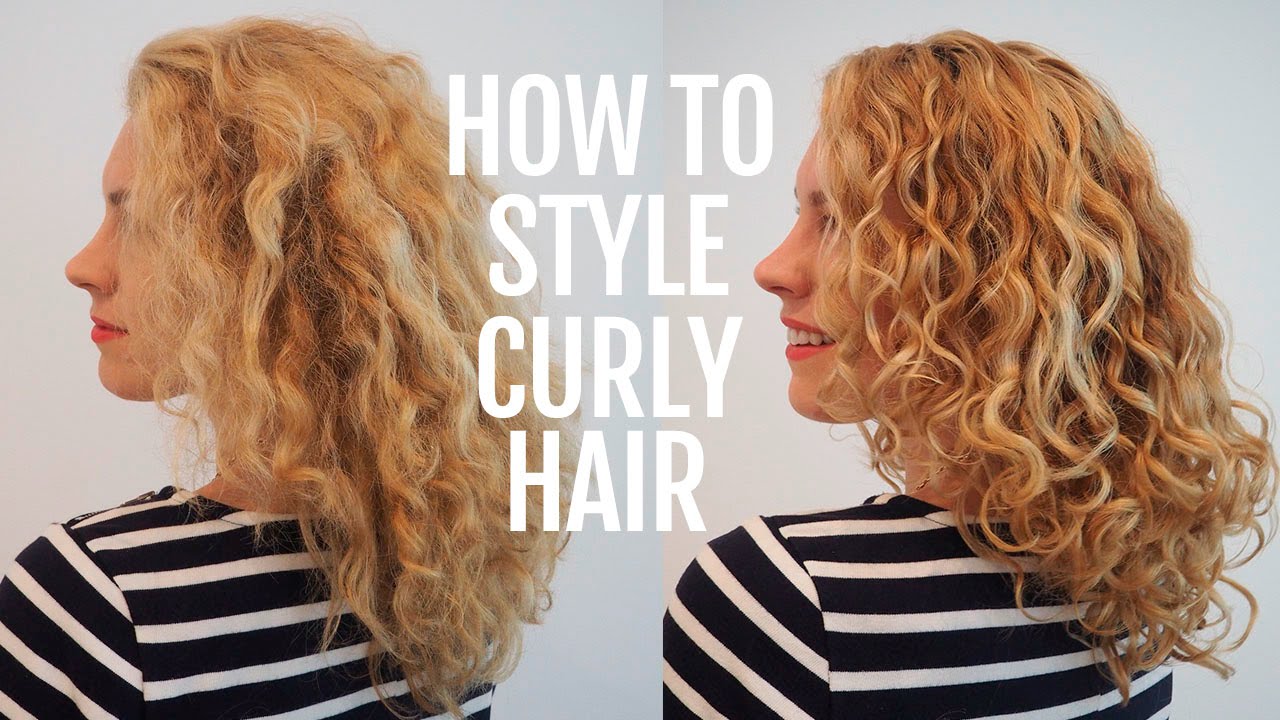
How to Style Curly Coats Without Frizz: Tips for Smooth, Defined Curls
Dealing with curly coats—whether it’s a pet or a person’s hair—can be a challenge, especially when frizz tends to take over and ruin that sleek, polished look. If you’re tired of battling frizz and want your curls to look smooth, defined, and healthy, you’re in the right place. This guide will walk you through understanding the unique needs of curly coats, sharing effective hair care routines, recommending the best products and styling techniques, offering tips to maintain your style throughout the day, and exploring long-term strategies for healthier, more manageable curls. By the end, you’ll have a comprehensive blueprint to elevate your curly coat game and enjoy frizz-free, gorgeous curls every day.
Understanding the Unique Needs of Curly Coats and Frizz Prevention
Curly coats, whether on a pet or on a human, are naturally predisposed to dryness and frizz due to their structure. The tight curl pattern causes natural oils to have a harder time traveling down the hair shaft, leading to moisture depletion. When hair or coat fibers lack hydration, they become frizzy, brittle, and prone to breakage. Recognizing this, the first step toward managing your curls or coat is understanding their unique hydration and grooming needs.
Frizz prevention begins with the understanding that curly textures require gentler, more nourishing care than straight hair. Curly coats tend to trap dirt and moisture unevenly, which can exacerbate frizz if not properly maintained. Environmental factors such as humidity, wind, and dry indoor air can further disrupt curl definition. To combat this, adopting a routine that emphasizes moisture retention, minimal harsh chemical exposure, and gentle handling is crucial. For pets, regular brushing and conditioning tailored for curly coats help maintain smoothness and reduce tangles that can lead to frizz.
Another essential aspect is understanding the importance of avoiding practices that strip away natural oils or cause damage. Over-washing, excessive heat styling, and harsh shampoos can all contribute to dryness and frizz. Instead, opt for products formulated specifically for curly textures—these often contain humectants like glycerin or natural oils that boost moisture levels. Recognizing that every curly coat or curl pattern is different allows you to customize your approach, focusing on nourishing and protecting the fibers to prevent frizz before it begins.
Effective Hair Care Routines for Curly Coats to Minimize Frizz
Establishing a consistent hair care routine is the foundation for achieving smooth, defined curls free of frizz. Start with gentle cleansing using sulfate-free shampoos designed for curly hair or coats. Sulfates can strip the natural oils, leading to dryness and frizz, so opting for sulfate-free formulas helps preserve moisture. Incorporate regular conditioning with rich conditioners or deep conditioning treatments to restore hydration, especially after exposure to environmental stressors or frequent washing.
Post-wash, applying a leave-in conditioner or curl cream while your hair or coat is still damp can make a big difference. These products help lock in moisture, define curls, and provide a protective barrier against humidity. When detangling, use a wide-tooth comb or your fingers to minimize breakage and maintain curl integrity. Avoid rough towel drying—opt for a soft microfiber towel or an old T-shirt to gently squeeze out excess water without roughing up the cuticle layers that cause frizz.
In addition, incorporating regular oil treatments—like argan oil, coconut oil, or jojoba oil—can significantly improve curl smoothness and shine. For pets, grooming with appropriate oils and conditioners helps maintain a shiny, frizz-free coat. Remember, consistency is key: sticking to your routine and adjusting it based on your curl or coat type will yield the best, long-term results. Also, avoid over-washing; most curly hair or coats benefit from washing 2-3 times a week or less, allowing natural oils to work their magic.
Best Products and Styling Techniques for Frizz-Free Curly Coats
Choosing the right products can make or break your effort to style curly coats without frizz. Look for styling creams, gels, or mousses labeled as “frizz control,” “curl defining,” or “hydrate.” These products help tame flyaways, define curls, and provide a lightweight hold that lasts throughout the day. For pets with curly coats, specialized grooming products like curl-enhancing conditioners and serums formulated for their coat texture are essential.
When it comes to styling techniques, the "plopping" method is a popular choice for minimizing frizz and enhancing curl definition. After applying your styling product on damp hair or coat, gently lay it flat on a microfiber towel or T-shirt and wrap it to encourage curls to set in their natural shape. Air drying is preferable, but if you need to use a blow dryer, always attach a diffuser and set it to low heat to prevent damage and frizz. Scrunching curls gently with your hands or a pick while drying also helps boost volume and definition.
For pets with curly coats, regular grooming with a wide-tooth comb or your fingers helps distribute products evenly and prevent tangles that can lead to frizz. Using anti-frizz serums or creams designed for curly coats can smooth out flyaways and add shine. Remember, less is often more—applying too much product can weigh down curls or create buildup, so start with a small amount and build as needed. The key is to define your curls while maintaining their natural bounce and softness.
Tips for Maintaining Style and Definition Throughout the Day
Keeping your curls looking fresh and frizz-free all day requires strategic touch-ups and protective measures. First, avoid touching or manipulating your curls too much once they’re styled, as this can cause frizz and break the curl pattern. Instead, carry a small styling product or anti-frizz serum and a diffuser brush or wide-tooth comb for quick touch-ups if needed. Lightly misting your curls with water or a curl refresher spray can revive definition without overloading the hair or coat.
In humid environments, using a light layer of anti-humidity spray or finishing serum helps create a barrier against moisture in the air. Refreshing curls with a diffuser on low heat can restore volume and smoothness. For pets, keeping their coat protected from the elements—like using doggy raincoats or avoiding excessive outdoor activity during damp weather—can help maintain their coat’s smoothness. Regularly checking and reapplying grooming products as needed throughout the day can also prevent frizz from setting in.
Sleep is another critical factor. Sleeping on a satin or silk pillowcase reduces friction that causes curls to frizz and tangle overnight. For extra protection, consider wrapping your hair or coat in a satin bonnet or using a silk scarf. In the morning, a quick re-scrunch with a curl-defining product and a gentle diffuser session can help you restore your curl shape, keeping your style fresh and defined from morning to night.
Long-Term Hair Health Strategies for Smooth, Manageable Curly Coats
Achieving and maintaining smooth, frizz-free curls is a long-term commitment that involves healthful habits and regular maintenance. Prioritizing deep conditioning treatments—once a week or bi-weekly—can provide your curls with essential nutrients that improve elasticity and reduce frizz over time. Incorporating weekly oil massages or masks enhances moisture retention and strengthens the hair or coat fibers, making them less prone to damage and frizz.
A balanced diet rich in vitamins and minerals, such as biotin, omega-3 fatty acids, and antioxidants, also supports healthy hair growth and improved curl texture. Staying well-hydrated from the inside out ensures your hair or coat remains supple and shiny. For pets, regular grooming and trimming prevent uneven ends and matting, which can cause frizz and tangling. Regular visits to a professional groomer can help maintain a healthy coat and teach proper grooming techniques.
Lastly, minimize the use of heat styling tools—such as blow dryers, curling irons, or flat irons—as frequent heat exposure damages the cuticle layer, leading to dryness and frizz. When heat styling is necessary, always use a heat protectant and opt for the lowest effective temperature. Over time, adopting these healthy habits will promote stronger, more resilient curls or coats that are easier to style and maintain frizz-free. Remember, patience and consistency are your best allies in nurturing smooth, beautifully defined curls.
Conclusion
Styling curly coats without frizz may seem like a daunting task, but with the right knowledge, products, and routines, you can achieve and maintain stunning, smooth curls or coats. Understanding their unique moisture needs and avoiding damaging practices lays the groundwork for healthy, well-defined curls. Developing a consistent hair care routine—emphasizing hydration, gentle detangling, and suitable styling products—ensures manageable, frizz-free results. Incorporating smart styling techniques and protective tips throughout the day keeps your curls looking their best, while adopting long-term health strategies guarantees resilience and shine over time.
Remember, caring for curly coats is a journey, not a one-time fix. Every curl or coat type has its own quirks and needs, so listen to your hair or pet’s specific requirements and adapt your approach accordingly. With patience and dedication, you can enjoy the confidence that comes with effortlessly smooth, defined, and healthy curls—no more frizz, just fabulous, natural beauty.