


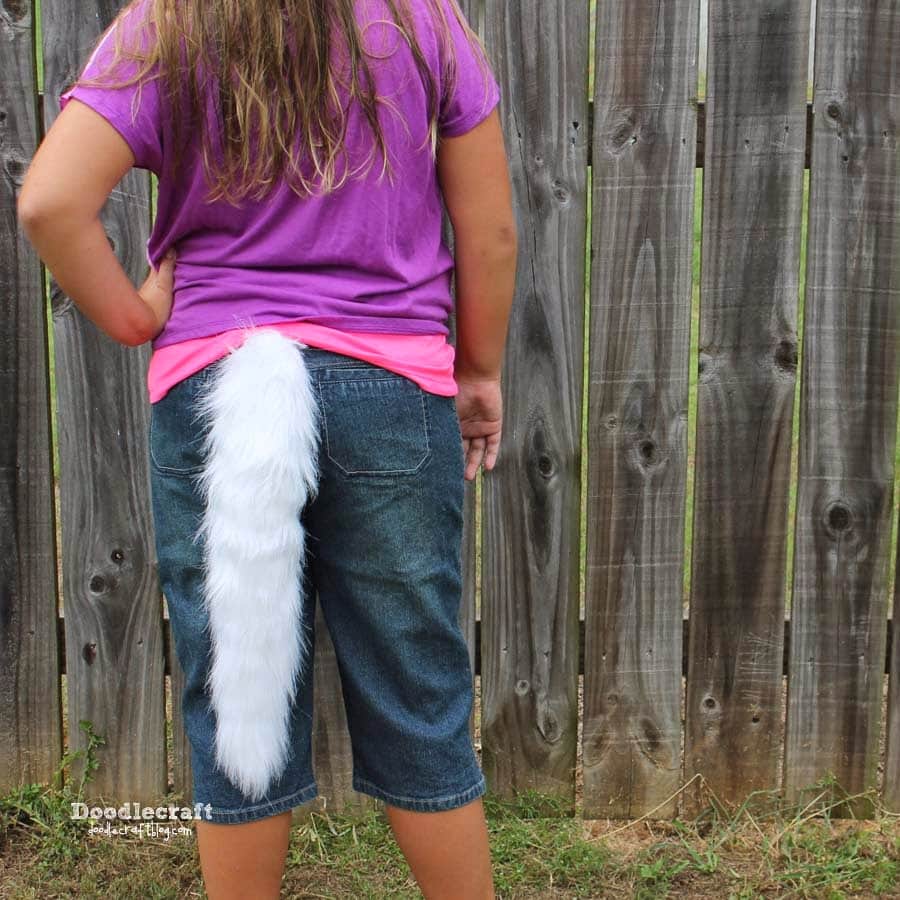
How to Style Tail Fur: Tips for a Natural and Stylish Look
If you’re someone who loves embracing a unique, animal-inspired aesthetic or just want to add a touch of wild charm to your look, styling tail fur can be an exciting and creative process. Whether you’re into cosplay, costume design, or simply enjoy experimenting with fashion accessories, knowing how to style tail fur properly ensures a natural appearance that complements your overall look. In this article, we’ll explore everything you need to know—from understanding different types of tail fur to maintaining your styled look long-term. Let’s dive into the world of tail fur styling and discover how to achieve a beautiful, authentic, and stylish tail fur look effortlessly.
Understanding Different Types of Tail Fur and Their Unique Characteristics
Before you start styling, it’s vital to understand the variety of tail fur available, as each type has distinct textures, lengths, and qualities that influence how you should work with it. The most common types of tail fur include faux fur, real animal fur, and synthetic blends, each offering different advantages and considerations.
Faux Fur:
Faux fur is a popular choice for those seeking an animal-friendly, affordable, and versatile option. It mimics real fur closely but is made from synthetic fibers like acrylic and polyester. Faux fur tends to be softer, more manageable, and easier to clean and maintain. Its variety of textures—from shaggy to sleek—allows for diverse styling options. When choosing faux fur, look for high-quality pieces that have a natural-looking density and realistic coloration to ensure an authentic appearance.
Real Animal Fur:
While less common and more controversial due to ethical concerns, real animal fur offers unmatched authenticity in appearance and texture. It has a natural density, softness, and sheen that synthetic options often struggle to replicate. If you opt for real fur, ensure it is ethically sourced and legally obtained. Real fur varies greatly depending on the species, such as fox, raccoon, or wolf, each with unique characteristics like length, wave, and color patterns that influence styling choices. Handling real fur requires specialized care to prevent damage and maintain its natural beauty.
Synthetic Blends:
Some tail furs combine synthetic fibers with natural materials to offer a balance of authenticity and ease of maintenance. These blends can provide durability, manageability, and a more natural look than purely synthetic options. They may also have added properties like water resistance or extra fluffiness, making them suitable for various styling scenarios. Understanding the specific fiber composition helps you choose the right type of tail fur for your needs, whether for everyday wear or special occasions.
Understanding the texture and length of your tail fur is crucial for effective styling. Longer tails with a wavy or fluffy texture lend themselves to voluminous, dramatic styles, while shorter, sleeker tails are perfect for a more subtle, natural appearance. Additionally, recognizing the fur’s natural growth pattern can help you decide how to position or manipulate it for the best aesthetic. Matching the fur type to your desired look and understanding its unique characteristics will provide a solid foundation for styling success.
Preparing Your Tail Fur for Styling: Cleaning and Conditioning Tips
Proper preparation is key to achieving a natural, polished tail fur look. Before styling, make sure your tail fur is clean and conditioned to enhance its appearance and prevent damage during the styling process. The right preparation not only improves the final result but also extends the lifespan of your tail fur piece.
Cleaning Your Tail Fur:
Start by gently removing dust, dirt, and loose fibers. For faux and synthetic fur, a light brushing with a soft-bristled brush or a pet hair remover brush works well. If your tail fur is particularly dirty, you can spot-clean it with a mild detergent diluted in cold water. Use a cloth or sponge to gently clean the fur, avoiding soaking the base or backing material. For real fur, professional cleaning is recommended, but if necessary, spot clean with specialized fur cleaner, ensuring you do not saturate the material. Always air-dry the fur in a well-ventilated space, avoiding direct sunlight or heat sources that could damage the fibers.
Conditioning for Softness and Flexibility:
Conditioning helps keep the fur soft, manageable, and less prone to matting. Faux fur conditioners or fabric softeners diluted with water can be lightly sprayed onto the fur and then brushed out. For real fur, use a specialized fur conditioner or spray to maintain its luster and softness. Avoid using harsh chemicals or heavy products that can weigh down or damage the fibers. Regular conditioning also prevents static buildup, which can make styling more difficult. Remember, the goal is to keep the fur fluffy without making it greasy or stiff.
Detangling and Fluffing:
After cleaning and conditioning, carefully detangle any knots or matting, especially in long or fluffy tails. Use a wide-toothed comb or your fingers to gently work through the fibers, always brushing in the direction of natural growth. Fluff the fur by gently lifting and shaking the fibers to restore volume and natural movement. This step helps your tail fur look lively and ready for styling. Investing time in this preparatory phase ensures smoother styling and a more natural, seamless appearance after completing your desired look.
Best Tools and Products for Achieving a Sleek and Natural Tail Fur Look
Selecting the right tools and products plays a pivotal role in creating a sleek, natural, or even more dramatic tail fur style. Having quality equipment ensures your styling process is efficient, safe for the material, and produces a professional finish.
Brushes and Combs:
The foundation of a good styling routine begins with appropriate brushes. A soft-bristled or paddle brush is ideal for gently detangling and fluffing out the fur. For longer or more textured tails, a wide-tooth comb can help manage knots without pulling or tearing fibers. For finishing touches, a fine-tooth comb can help smooth out specific areas or create defined parts. Using these tools regularly prevents matting and maintains the fur’s natural softness.
Styling Products:
Light styling sprays and finishing serums designed for faux or real fur can add shine, set styles, and reduce static. Look for products formulated specifically for animal fibers to avoid damage or residue buildup. If you’re aiming for volume, volumizing sprays or powders can be lightly applied at the roots to lift the fur and create a fuller look. For more natural styling, minimal product use is recommended to preserve the fur’s authenticity and avoid a greasy appearance.
Additional Accessories:
Depending on your style goals, you might incorporate clips, small hair ties, or decorative pins to secure or accentuate your tail fur. Flexible, non-damaging clips are perfect for creating layered or styled looks without causing damage. For a more dramatic effect, consider using temporary hair waxes or pomades designed for synthetic fibers, ensuring they wash out easily for future styling versatility. Remember to always test products on a small section first to check for adverse reactions or damage.
Using high-quality tools and the right products helps you achieve a natural, polished look that stays in place and looks authentic. Tailor your tool choices to your specific fur type and style goals to maximize your results.
Step-by-Step Techniques for Stylish and Secure Tail Fur Arrangements
Now that your tail fur is prepared and you have the right tools, it’s time to learn effective techniques for styling that look natural yet stylish. Whether you want a simple natural flow or a more elaborate arrangement, following a structured approach ensures your tail fur stays secure and looks effortlessly chic.
Step 1: Fluff and Detangle
Begin by gently brushing and fluffing the fur to create volume. Detangle any knots carefully, working in the direction of the fibers. This step sets a soft, natural base for your style. If you want a more voluminous look, lift sections of the fur and gently tease the fibers with a fine-tooth comb or your fingers.
Step 2: Define Your Style
Decide on the look you want—whether it’s a sleek, straight tail, a tousled, wild effect, or a layered, textured style. Use small sections of the fur to create shape and direction. For a natural flow, brush the fur downward and slightly outward. For more volume, tease or backcomb sections gently and smooth the top layer to hide teasing.
Step 3: Secure the Style
For a secure yet natural appearance, use discreet clips or elastic bands to hold sections in place, especially if creating styles like tied tails or layered looks. Avoid overly tight securing methods that can damage the fibers or cause discomfort. If you want a more polished appearance, consider using a flexible styling spray to set the fibers in place. For longer-lasting styles, you might also incorporate invisible hairpins or specialized fur clips that blend seamlessly with the fur.
Step 4: Add Finishing Touches
Finally, refine your style by smoothing out any uneven patches, adjusting the direction of the fibers, and adding small accessories if desired. Lightly apply a finishing spray or serum to add shine and set the style. Remember, less is more—aim for a natural appearance that enhances your overall aesthetic without appearing overly processed.
Practicing these techniques will give you confidence in creating both simple and complex tail fur looks. The key is patience and attention to detail, ensuring your style remains secure yet natural-looking throughout your day.
Maintaining and Refreshing Your Styled Tail Fur for Long-Lasting Results
Once you’ve achieved your desired tail fur style, the next step is maintaining its freshness and appearance through proper care. Regular maintenance not only prolongs the beauty of your styled tail but also ensures comfort and durability over time.
Daily Care and Touch-Ups:
Gently brushing your tail fur daily helps prevent matting, removes dust, and maintains volume. Use the appropriate brush or comb, working in smooth strokes in the direction of hair growth. If your style begins to loosen, quick touch-ups with a light spritz of styling spray or a gentle brushing session will help revive the look. Pay special attention to securing any loose sections or knots to prevent sagging or uneven appearance.
Long-Term Refreshing:
For styles that need to last multiple days or events, occasional re-fluffing and re-styling may be necessary. If your tail fur becomes flattened or tangled, take a moment to detangle, clean, and re-fluff the fibers. Applying a small amount of leave-in conditioning spray can help restore softness and luster. When necessary, re-secure clips or ties for a polished, enduring look. For heavily styled or elaborate arrangements, consider removing and redoing the style to keep it looking fresh and natural.
Storage and Protection:
When not in use, store your tail fur in a cool, dry place away from direct sunlight. Hanging it on a padded hanger or laying it flat prevents deformation and tangling. If you travel with your tail fur, use a protective cover or bag to prevent dust accumulation and damage. Proper storage and gentle handling are crucial to maintaining the fur’s natural texture and ensuring your styling efforts last as long as possible.
By incorporating these maintenance routines, you ensure your tail fur remains vibrant, manageable, and stylish for extended periods. Regular care allows you to enjoy your creative styling without constantly starting from scratch, enhancing your overall experience and confidence.
Conclusion
Styling tail fur is a rewarding way to express creativity and embrace a natural, stylish look inspired by animal features. Understanding the different types of tail fur allows you to select the most suitable material for your desired aesthetic, whether it’s realistic faux fur or ethically sourced real fur. Proper preparation through cleaning and conditioning sets the stage for a seamless styling process, while the right tools and products make all the difference in achieving a sleek, authentic appearance.
By mastering step-by-step techniques for arranging your tail fur, you can create versatile styles—from natural flows to dramatic, layered looks—that stay secure and look effortless. Maintaining and refreshing your styled tail fur ensures long-lasting beauty and comfort, empowering you to enjoy your unique look for any occasion.
With patience, practice, and the right knowledge, you can elevate your tail fur styling game to new heights—bringing a captivating, wild charm to your personal style. Happy styling!