


How to Style Your Senior Dog’s Grooming Like a Professional
Grooming your senior dog is more than just keeping them looking cute—it’s a vital part of maintaining their health, comfort, and overall well-being. As dogs age, their grooming needs evolve, requiring a gentle touch, patience, and a good understanding of their unique challenges. Whether you’re a seasoned pet owner or new to caring for an aging pup, learning how to style your senior dog’s grooming like a professional will help ensure they stay comfortable, happy, and looking their best. In this comprehensive guide, we’ll walk you through the essentials—from understanding their special needs to mastering grooming techniques that prioritize your dog’s safety and comfort.
Understanding the Unique Grooming Needs of Senior Dogs
As dogs age, their grooming requirements change significantly, influenced by factors like health issues, mobility limitations, and sensory impairments. Recognizing these differences is crucial to providing gentle, effective care that respects your dog’s comfort. Senior dogs often develop ailments such as arthritis, dental problems, or skin conditions that require careful handling and special attention during grooming sessions.
One of the most important aspects of grooming an older dog is understanding their decreased mobility and potential pain. Many senior dogs experience stiffness or joint pain, making movements like standing for long periods or staying still during grooming uncomfortable. This means grooming sessions should be shorter, more frequent, and conducted with patience. Additionally, some dogs may have sensory deficits like hearing or vision loss, which can make grooming unfamiliar or intimidating for them. Approaching your dog calmly and speaking softly can help ease their anxiety and build trust.
Skin and coat health also change with age. Older dogs often develop drier, thinner, or more delicate skin, making gentle handling and suitable grooming products essential. Regular grooming helps prevent matting, skin infections, and parasite infestations, which are common concerns for senior pets. Since their immune systems are often less robust, early detection and management of skin issues become a key part of senior dog grooming. Overall, understanding these unique needs ensures your grooming routine is both safe and beneficial for your aging companion.
Essential Tools and Supplies for Senior Dog Grooming
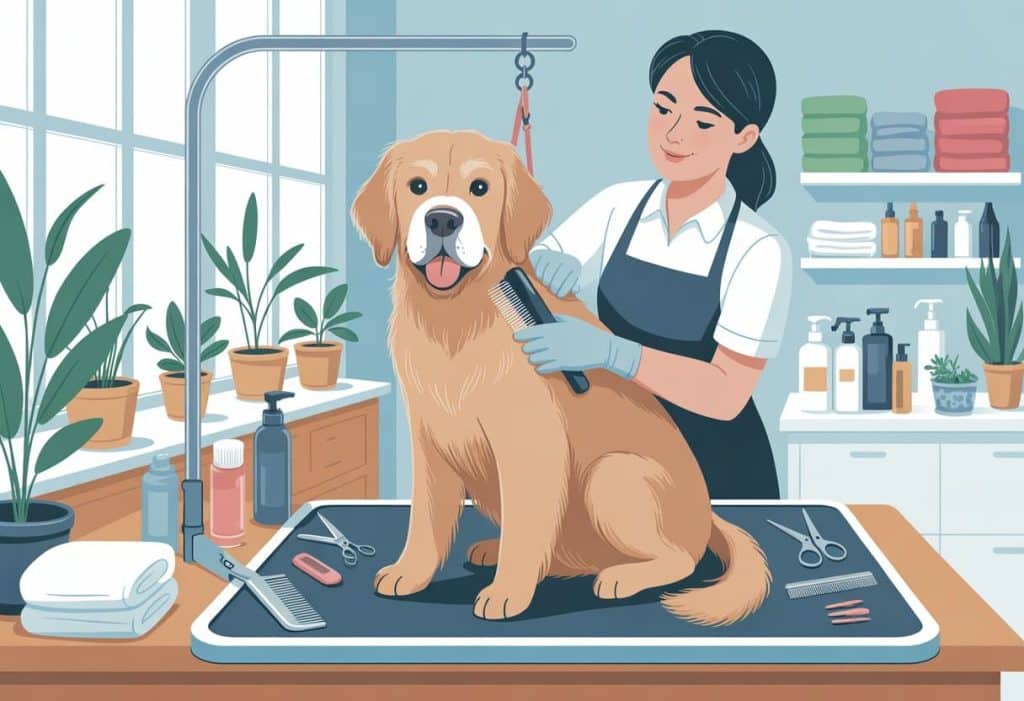
Having the right tools makes all the difference when it comes to professionally styled grooming for your senior dog. Investing in quality supplies designed for sensitive skin and delicate coats will make grooming safer and more comfortable for your pet. Basic essentials include a gentle dog shampoo formulated for aging skin, a soft-bristled brush, a fine-tooth comb, nail clippers, and grooming scissors. Additional supplies such as dog-friendly wipes, ear cleaning solutions, and dental care items can complement your grooming routine and promote overall health.
For senior dogs, specialized tools can make grooming easier and less stressful. For example, using a dematting comb or slicker brush with gentle bristles will help remove loose fur without irritating sensitive skin. A cordless, low-noise clipper can be beneficial for trimming hair around sensitive areas, especially if your dog is anxious or easily startled. Non-slip mats or grooming tables with adjustable heights can also help reduce strain on your dog’s joints, making the process more comfortable. Don’t forget to have a no-slip mat or towel on hand to secure your dog during grooming, especially if they have mobility issues.
Safety is paramount when grooming an older dog. Opt for grooming supplies that are specifically designed for sensitive or aging skin—such as hypoallergenic shampoos and conditioners—and avoid harsh chemicals or overly strong fragrances. Keep a clean, organized workspace and make sure all tools are sanitized before use. Having a calming spray or pheromone diffuser nearby can also help reduce anxiety. Remember, patience and gentle handling are the keys to creating a positive grooming experience for your senior dog, so invest in the right supplies to support that effort.
Step-by-Step Techniques for Safe and Comfortable Grooming
Achieving a professional-looking style for your senior dog requires patience, gentle technique, and an understanding of their unique needs. Start by creating a calm environment—dim lighting, soft music, and soothing words can help your dog relax. Before beginning, check for any skin irritations, lumps, or injuries, and address these with your veterinarian if necessary. Begin with gentle brushing to loosen dirt and loose fur, paying close attention to sensitive areas like the belly, ears, and paws.
When trimming nails, use sharp, high-quality clippers designed for dogs, and trim only small bits at a time to avoid hurting the quick. For senior dogs with thick or matted fur, it’s best to work slowly and use scissors or clippers with rounded tips to prevent accidental cuts. Always hold your dog securely but gently, and halt if they show signs of stress or discomfort. When bathing your senior dog, use lukewarm water and a mild, moisturizing shampoo suitable for aging skin. Rinse thoroughly to prevent any residue that could cause irritation.
Drying should be gentle—pat your dog dry with a soft towel or use a low-heat blow dryer set to a cool or warm setting. During grooming, communicate softly and frequently reassure your dog with praise and treats. Focus on areas prone to matting or discomfort, such as around the ears, paws, and underbelly. Finally, style your dog’s coat with scissors or clippers, maintaining a natural look that’s easy to manage. Regularly check and clean ears and teeth to prevent infections and dental issues. Patience and a calm demeanor will help your senior dog enjoy grooming sessions that leave them feeling pampered and well cared for.
Tips for Managing Mobility and Sensory Challenges During Grooming
Mobility and sensory challenges are common in senior dogs, making grooming a delicate process that requires creative solutions. If your dog has arthritis or joint issues, consider using grooming tables with non-slip surfaces or grooming on the floor with mats to prevent slipping. You can also support their joints by placing soft towels or cushions under their limbs or body to reduce strain during grooming. When lifting or positioning your dog, do so slowly and with proper support, always being mindful of their comfort and pain levels.
Sensory impairments like hearing or vision loss can make grooming intimidating or disorienting for your dog. To help them acclimate, approach slowly and speak calmly before touching or moving them. Use familiar cues, such as gentle touches or treats, to reassure your dog throughout the process. Keep grooming tools within reach to avoid sudden movements that might startle them, and maintain a consistent routine so they know what to expect. Consider using pheromone sprays or calming products to create a relaxed environment, and take frequent breaks to prevent overstimulation.
Patience is key when managing these challenges. If your dog becomes anxious or resistant, it’s better to pause and try again later rather than forcing the grooming session. For dogs with severe mobility issues, professional grooming services that specialize in senior pets can be a good option. They often have the experience and tools to handle delicate situations safely. Ultimately, adapting your grooming approach to your senior dog’s physical and sensory capabilities ensures a safer, more enjoyable experience for both of you.
Maintaining Your Senior Dog’s Comfort and Health Post-Grooming
Once your senior dog is freshly groomed, the focus shifts to maintaining their comfort and health in the days that follow. Regular grooming not only keeps them looking good but also helps you monitor their health. After a grooming session, check their skin for signs of irritation, dryness, or any unusual lumps or bumps that may need veterinary attention. Keep their coat clean and dry, especially in areas prone to moisture buildup, like the paws and skin folds, to prevent infections.
Providing a cozy, quiet space where your senior dog can rest comfortably after grooming is essential. Many older dogs appreciate a soft bed in a calm environment where they can relax and recover from the grooming process. If your dog has sensitive skin, applying a soothing moisturizer or medicated wipes recommended by your veterinarian can help keep their skin healthy and hydrated. Regularly brushing and inspecting their coat will also prevent matting and skin issues, making grooming easier over time.
Diet and hydration play a vital role in maintaining your senior dog’s coat and skin health. Ensure they are on a balanced diet that supports aging and provides essential fatty acids, which promote shiny, healthy fur. Keep their nails trimmed to avoid discomfort or difficulty walking, and continue regular dental care to prevent infections. Scheduling routine vet visits is crucial for early detection of age-related conditions, ensuring your grooming routine supports their overall health. With consistent care and gentle handling, your senior dog can enjoy a comfortable, happy life with a well-maintained appearance.
Conclusion
Grooming your senior dog like a professional involves understanding their evolving needs, using the right tools, mastering gentle techniques, and managing age-related challenges with patience and care. By prioritizing their comfort, health, and well-being, you can create grooming sessions that are both safe and enjoyable. Remember, consistency and kindness go a long way in helping your aging companion feel loved and cared for. As you refine your grooming skills, you’ll discover that a well-groomed senior dog not only looks great but also feels healthier and more comfortable. Take the time to learn, adapt, and enjoy these special moments with your furry friend—they truly appreciate your effort and love.