


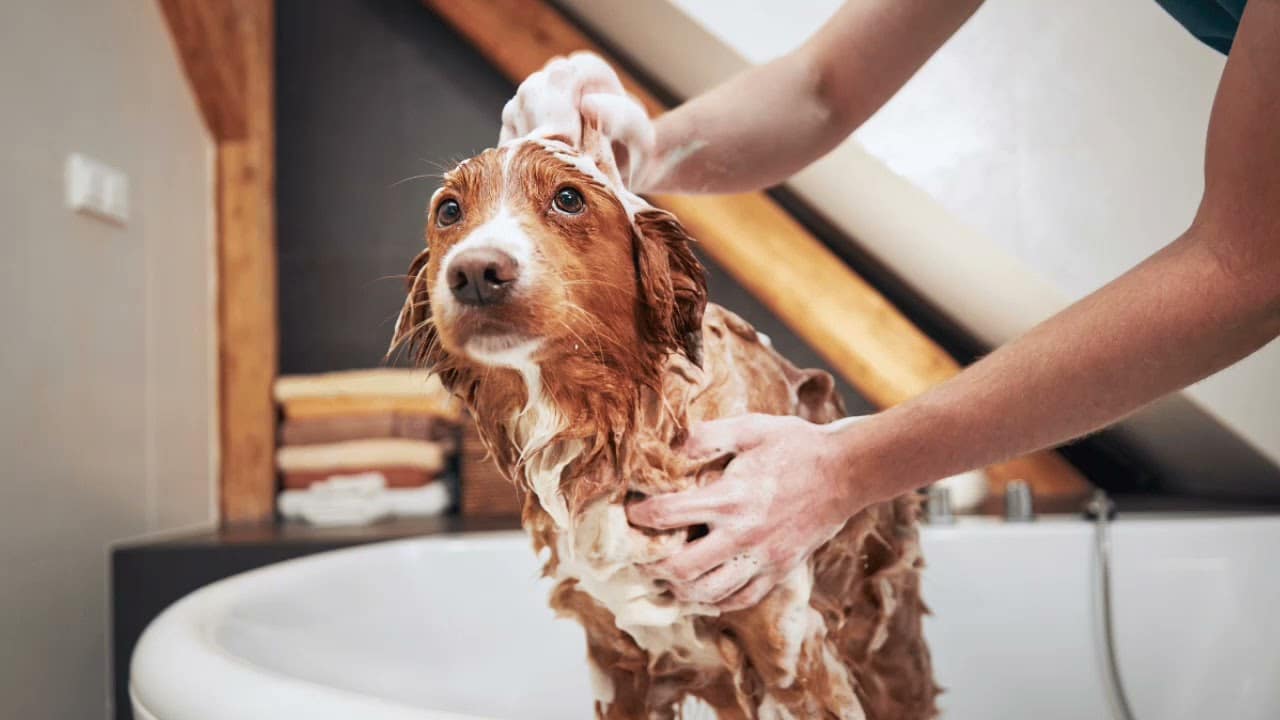
How to Teach Your Puppy to Stay Calm and Still in the Tub
Bath time can be a challenging experience for many puppy owners. From squirming and barking to trying to escape, puppies often find baths stressful and overwhelming. But with the right approach, patience, and training, you can teach your puppy to stay calm and still during bath time, turning it into a more pleasant and manageable routine. This article will guide you through understanding your puppy’s behavior, preparing a safe and calming environment, step-by-step training techniques, positive reinforcement strategies, and troubleshooting common issues. By implementing these tips, you’ll foster a stress-free bathing experience that strengthens your bond and keeps your puppy comfortable.
Understanding Puppy Behavior and the Importance of Bath Time Training
Puppies are naturally curious, energetic, and sometimes anxious, especially during unfamiliar activities like bathing. Their instincts drive them to explore new sensations and surroundings, which can lead to squirming, barking, or trying to escape during bath time. Recognizing that these behaviors are normal and part of their developmental stage is crucial for a positive training process. Puppies often associate baths with discomfort or restraint, so understanding their emotional response helps owners empathize and approach training with patience.
Moreover, establishing calm behavior during bath time is essential for your puppy’s overall well-being. Regular grooming and bathing are necessary for maintaining health, preventing infections, and reducing shedding. If your puppy learns to stay calm and still, bath time will become safer for both of you—reducing the risk of injury from sudden movements and making the experience less traumatic. Teaching self-control during bathing also sets a foundation for other training exercises, like crate training, leash walking, and socialization.
It’s important to remember that puppies are still learning how to manage their emotions and body movements. Consistent, gentle guidance helps them feel secure and understand what is expected. By acknowledging their natural behaviors and providing structured training, you create a positive association with bath time, transforming it from a stressful ordeal into an opportunity for trust and bonding.
Preparing Your Puppy and Bathing Environment for a Calm Experience
Preparation is key to ensuring that bath time goes smoothly and remains as stress-free as possible for your puppy. Start by choosing a suitable space—ideally a small, enclosed area like a bathtub or a sink—where you can comfortably control the environment and keep your puppy safe. Before bathing, gather all necessary supplies such as puppy-friendly shampoo, towels, a non-slip mat, and a few treats. Having everything within arm’s reach prevents unnecessary pauses and distractions during the process.
Creating a calming environment can significantly influence your puppy’s mood during their bath. Use a soft, quiet space free from loud noises or sudden disruptions. You might also consider playing gentle music or speaking softly to soothe your puppy. Additionally, ensure the water temperature is lukewarm—not too hot or cold—to prevent discomfort. Using a non-slip mat under your puppy helps them feel secure and prevents slipping, which can cause fear or panic during the bath.
It’s beneficial to introduce your puppy gradually to the bathing area before the actual water contact. Spend time near the tub or sink, offering treats and praise to associate these spaces with positive experiences. You might also let your puppy sniff and explore the bathing area while dry, so they become familiar and less anxious when bath time begins. Proper preparation sets the stage for a calmer, more controlled bathing session, making it easier to teach your puppy to stay still and relaxed.
Step-by-Step Techniques for Teaching Your Puppy to Stay Still During Bathing
Teaching your puppy to remain calm and still during baths involves a combination of gradual exposure, clear cues, and consistent practice. Start by introducing your puppy to the bathing environment without water. Let them sniff around and reward calm behavior with treats and praise. This initial step helps build positive associations with the space where bath time will occur.
Next, incorporate brief, supervised exposures to water. Use a cup or gentle spray to lightly wet your puppy’s paws or back, rewarding them for staying still and calm. Keep these sessions short and positive, gradually increasing the duration as your puppy becomes more comfortable. During the actual bath, use a gentle voice and steady movements to reassure your puppy. You can also teach a simple cue like “stay” or “settle,” which you can reinforce consistently, so your puppy learns to associate the cue with remaining calm and still.
A crucial technique is to break the bath process into manageable steps—such as wetting, shampooing, rinsing, and drying. During each step, maintain a calm demeanor, provide treats for stillness, and avoid rushing. If your puppy starts to squirm or try to escape, calmly but firmly hold them in place, then reward calm behavior once they settle. Consistency, patience, and positive reinforcement are vital for success, helping your puppy understand that staying still results in praise and rewards.
Using Positive Reinforcement to Encourage Calmness and Stillness in the Tub
Positive reinforcement is one of the most effective methods for teaching your puppy to stay calm and still during bath time. When your puppy exhibits calm behavior, immediately reward them with treats, praise, or gentle petting. These rewards reinforce the idea that remaining relaxed and still during a bath has positive outcomes, encouraging them to repeat that behavior in future sessions.
Timing is critical when using positive reinforcement. Offer the reward immediately after your puppy remains still or exhibits calm behavior, so they clearly associate their actions with the positive response. You can also use a specific word or cue, like “good stay,” consistently during training, so your puppy learns to associate that cue with calmness. Over time, these cues become signals that calm behavior is expected and rewarded, which helps your puppy internalize the desired behavior.
In addition to treats, consider using high-value rewards, such as special treats your puppy loves or their favorite toy, especially if they are excitable or hesitant. The key is to make the experience as rewarding as possible, creating a positive emotional connection to bath time. Remember to keep training sessions short and frequent, gradually increasing complexity as your puppy gets better at staying calm. Celebrating small successes builds confidence and resilience, making future baths easier for both of you.
Troubleshooting Common Challenges and Ensuring a Stress-Free Bath Routine
Despite your best efforts, you may encounter challenges like barking, squirming, or resisting bath time altogether. Recognizing these common issues allows you to implement targeted solutions to reduce anxiety and promote cooperation. For instance, if your puppy is overly anxious, take a step back and revisit the preparation phase—introduce water gradually, use more treats, or give your puppy a break if agitation increases. Never punish or scold your puppy for difficult behavior; instead, focus on redirecting and rewarding calmness.
Consistency and patience are the cornerstones of successful puppy bath training. Establishing a regular routine helps your puppy understand what to expect, reducing uncertainty and fear. Keep bath times short initially, then gradually extend them as your puppy becomes more comfortable. If your puppy becomes overly frantic, consider incorporating calming aids like soothing music or pheromone sprays designed for dogs, which can help relax anxious puppies. Also, ensure that all family members follow the same approach to avoid confusing your puppy with mixed signals.
Finally, make bath time a positive experience by ending each session on a good note—reward your puppy with praise or a favorite toy after a calm bath. If your puppy continues to resist or shows signs of severe distress, consult a professional trainer or veterinarian for personalized advice. Patience, consistency, and a gentle approach are essential for transforming bath time from a stressful chore into a calm, bonding experience that benefits your puppy’s health and your relationship.
Conclusion
Teaching your puppy to stay calm and still during bath time is a gradual process that hinges on understanding their behavior, preparing a suitable environment, employing step-by-step training techniques, and using positive reinforcement. Ensuring that each bath is a positive and predictable experience helps your puppy build confidence and reduces stress over time. Remember that patience and consistency are your best tools—progress may be slow at first, but with time, your puppy will learn to relax and stay still during baths, making the routine safer and more enjoyable for both of you. Embrace this training as an opportunity to strengthen your bond, and soon, bath time will become a calm, stress-free part of your puppy’s care routine.