


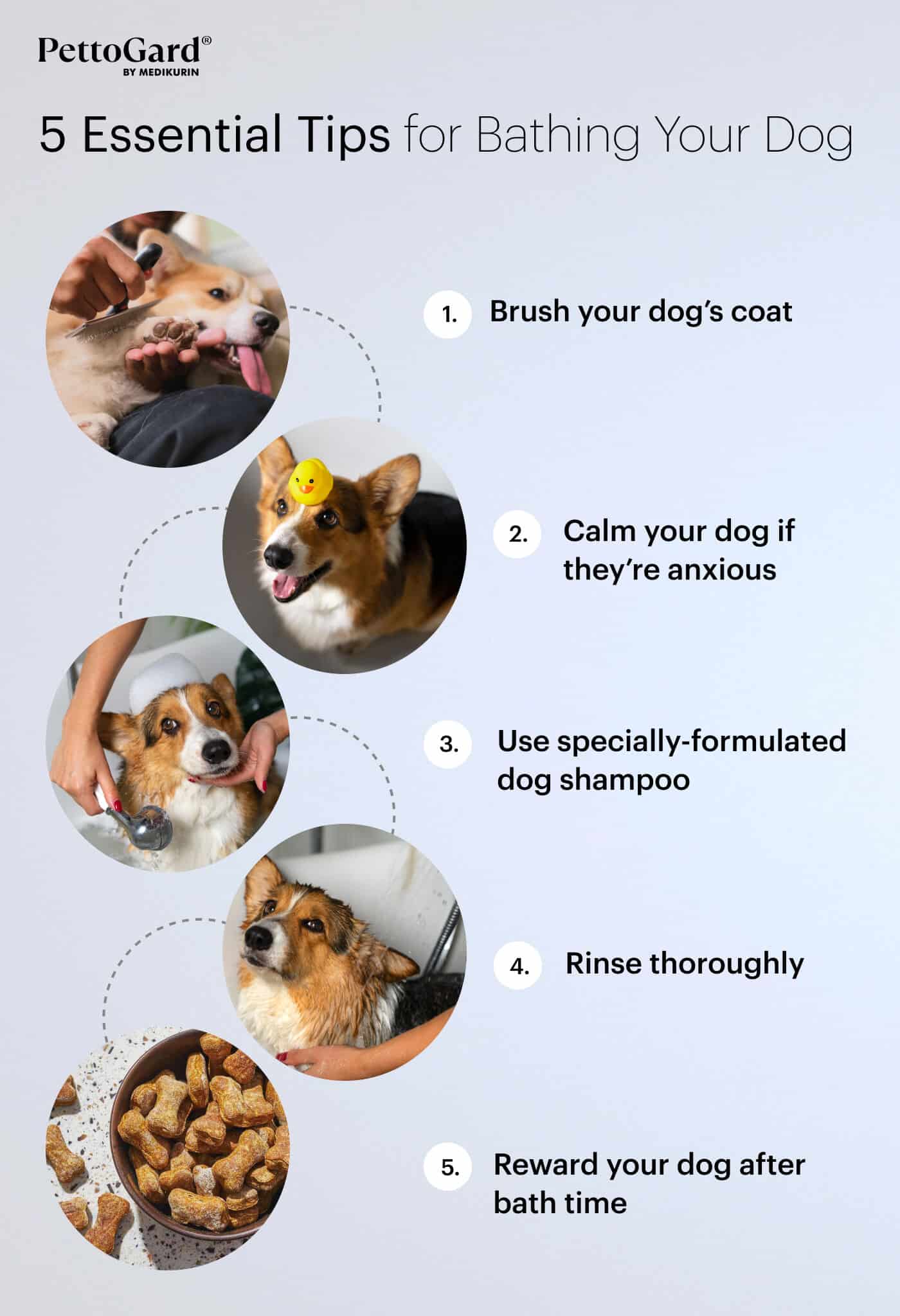
How to Train Your Dog to Enjoy Bath Time: Tips for Stress-Free Baths
Bath time can be a challenging experience for many dog owners and their furry friends. Some dogs view baths as a necessary but stressful ordeal, leading to anxiety, resistance, or even fear. The good news is that with patience, proper preparation, and positive reinforcement, you can transform bath time into a pleasant, stress-free routine that your dog looks forward to. This guide will walk you through how to train your dog to enjoy baths, from understanding your dog’s unique needs to creating a calm, positive environment. Whether you’re a new pet owner or looking to improve your current routines, these tips can help foster a more relaxed and enjoyable bathing experience for both of you.
Understanding Your Dog’s Bathing Needs and Temperament
Every dog is different, which means understanding your pet’s individual needs and temperament is the first crucial step toward making bath time more enjoyable. Some breeds have thick, double coats that require regular, thorough baths, while others may only need occasional rinses. Recognizing your dog’s specific coat type, skin sensitivities, and lifestyle factors will help you develop a bathing routine that suits them best. For example, a dog with sensitive skin might need hypoallergenic shampoo, while an active outdoor dog may require more frequent baths to remove dirt and odors.
In addition to physical needs, your dog’s temperament plays a significant role in how they respond to bath time. Some dogs are naturally calm and tolerant, while others are anxious or fearful of water. Observing their behavior can help you identify cues of discomfort, such as trembling, whining, or trying to escape. If your dog is particularly anxious, it’s important to approach bath training gradually and with patience. Understanding their emotional state allows you to tailor your training approach, ensuring you don’t overwhelm or frighten them further.
Finally, consider your dog’s past experiences with baths. Negative early experiences or rough handling can lead to long-lasting fear. Conversely, dogs that have had positive, gentle, and rewarding bath experiences are more likely to accept and even enjoy future baths. Keep in mind that building trust is essential; a calm, patient, and respectful approach can go a long way in helping your dog associate bath time with positive feelings. Learning about your dog’s unique needs and personality sets the foundation for a successful, stress-free bathing routine.
Preparing the Bathing Area and Gathering Supplies for Stress-Free Baths
Preparation is key to creating a calm and organized environment for bath time. Before bringing your dog into the bathing area, gather all necessary supplies so you’re not scrambling mid-bath. Essential items include dog-specific shampoo, a damp washcloth, a non-slip mat, towels, a cup or gentle sprayer for rinsing, and perhaps some treats for rewards. Having everything within arm’s reach minimizes stress and helps you maintain control without rushing, which can increase your dog’s anxiety.
Choosing the right bathing spot also plays a vital role in reducing stress. Many dog owners prefer to bathe their pets in the bathtub or a designated plastic kiddie pool outside, depending on the size of the dog and weather conditions. Ensure the area is clean, quiet, and free of distractions. For indoor baths, placing a non-slip mat in the tub prevents slipping and makes your dog feel more secure. If outdoors, make sure the water temperature is comfortably warm—not hot or cold—and that the environment is free from loud noises or unfamiliar scents that could upset your dog.
Creating a soothing atmosphere can significantly impact how your dog perceives bath time. Use calming cues like soft background music or speak in a gentle, reassuring voice. If your dog is particularly nervous, consider introducing the bathing space gradually—perhaps by allowing your dog to explore the area beforehand or by offering treats and praise when they approach calmly. Properly preparing both the environment and supplies not only makes the process smoother but also helps your dog associate bath time with comfort and security.
Step-by-Step Techniques to Introduce Your Dog to Bath Time Comfortably
Introducing your dog to bath time gradually and positively is essential for reducing fear and building confidence. Start by acclimating your dog to the bathing area without any water. Let them explore the space at their own pace, offering treats and praise for calm behavior. Once they’re comfortable, introduce the idea of water slowly—perhaps by splashing a small amount of water near their paws or giving them a bath towel to sniff and investigate. These small steps build familiarity without overwhelming your dog.
When it’s time to begin the actual bath, use a gentle, confident approach. Speak softly and reassure your dog with calm words. Start by wetting their paws or lower legs first, which is less intimidating than pouring water directly over their head. Use a cup or sprayer on a gentle, consistent spray to gradually introduce water over their body, pausing frequently to allow your dog to adjust. Always avoid pouring water directly on their face and eyes and use a damp washcloth for cleaning their face and ears. Patience and slow, gentle movements are key to avoiding stress.
Consistency and patience are crucial throughout this process. Keep the initial sessions brief—just a few minutes—and gradually increase the duration as your dog gains confidence. During each step, reward your dog with treats, praise, or their favorite toy to reinforce positive associations. Never force your dog into the bath or punish any resistance; instead, go at their pace and celebrate small victories. Over time, these step-by-step techniques help your dog become more comfortable with bath time, laying the groundwork for a more relaxed and enjoyable experience.
Creating a Positive Bathing Experience Through Rewards and Calm Handling
Transforming bath time into a positive experience hinges on your ability to associate the activity with rewards and calm handling. Use treats, praise, and affection generously to reinforce good behavior during each step of the bath. For example, offering a tasty treat when your dog steps into the bathing area or remains calm during rinsing can significantly motivate them to cooperate. The goal is to make your dog feel safe and rewarded for their patience, gradually replacing any anxiety with positive feelings.
Calm handling during bath time is equally important. Keep your movements slow, gentle, and predictable to avoid startling your dog. Speak softly and reassuringly throughout the process to provide emotional comfort. If your dog shows signs of stress—such as trembling or trying to escape—pause and give them a moment to settle. Sometimes, simply pausing and offering a soothing word or a treat can help reset their emotional state. Remember, consistency in your handling and tone helps your dog trust you and understand that they are safe.
Creating a positive bathing experience also involves celebrating small successes. If your dog allows you to rinse their face or stay in the tub without resistance, reward them immediately. Over time, these consistent positive reinforcements build a strong association between bath time and pleasurable experiences. This approach not only reduces stress but also fosters a bond of trust and confidence that will make future baths even easier. Making every bath a rewarding adventure can truly change your dog’s outlook on this routine task.
Tips for Maintaining Your Dog’s Comfort and Confidence During Future Baths
Once your dog has learned to enjoy bath time, maintaining their comfort and confidence is essential for ongoing stress-free baths. Keep the routine consistent by bathing your dog at regular intervals suited to their breed, coat type, and lifestyle. Predictable routines help your dog know what to expect, reducing anxiety. Additionally, continue to use positive reinforcement—treats, praise, or favorite toys—to encourage calm behavior and reinforce their good attitude toward baths.
Incorporating calming aids can further ease your dog’s experience. For example, using calming pheromone sprays or diffusers designed for dogs can create a soothing environment. Playing gentle music or maintaining a quiet atmosphere during baths can also help your dog stay relaxed. If your dog shows signs of residual anxiety, consider short, frequent practice sessions to build their confidence gradually. Over time, these small adjustments contribute to a more comfortable and stress-free bathing routine.
Finally, always pay attention to your dog’s physical well-being during and after baths. Use lukewarm water, gentle shampoo, and dry them thoroughly with soft towels to prevent skin issues and discomfort. Regularly check their skin and coat for signs of irritation or allergic reactions, and consult your veterinarian if needed. Maintaining a calm, caring approach and ensuring your dog’s physical comfort are the final touches that will help your dog stay confident and happy during future baths. Remember, patience and consistency are your best tools for fostering a lifelong positive attitude toward bath time.
Conclusion
Transforming bath time from a stressful chore into a positive, enjoyable experience is absolutely achievable with patience, preparation, and positive reinforcement. By understanding your dog’s unique needs and temperament, creating a calm and organized environment, and introducing water gradually, you lay the foundation for success. Using rewards and gentle handling reinforces good behavior and builds trust, making future baths less daunting for your furry friend. Maintaining consistency, incorporating calming aids, and attending to your dog’s physical comfort help sustain their confidence and ensure that bath time remains a stress-free routine.
Remember, each dog is different, and progress may take time, but with gentle persistence, you can turn bath time into a bonding opportunity rather than a source of stress. Celebrate small victories along the way and always approach the process with kindness and patience. A clean, happy dog is a reflection of a caring owner, and by following these tips, you can help your dog not just tolerate but actually enjoy bath time—making life easier and more enjoyable for both of you.