


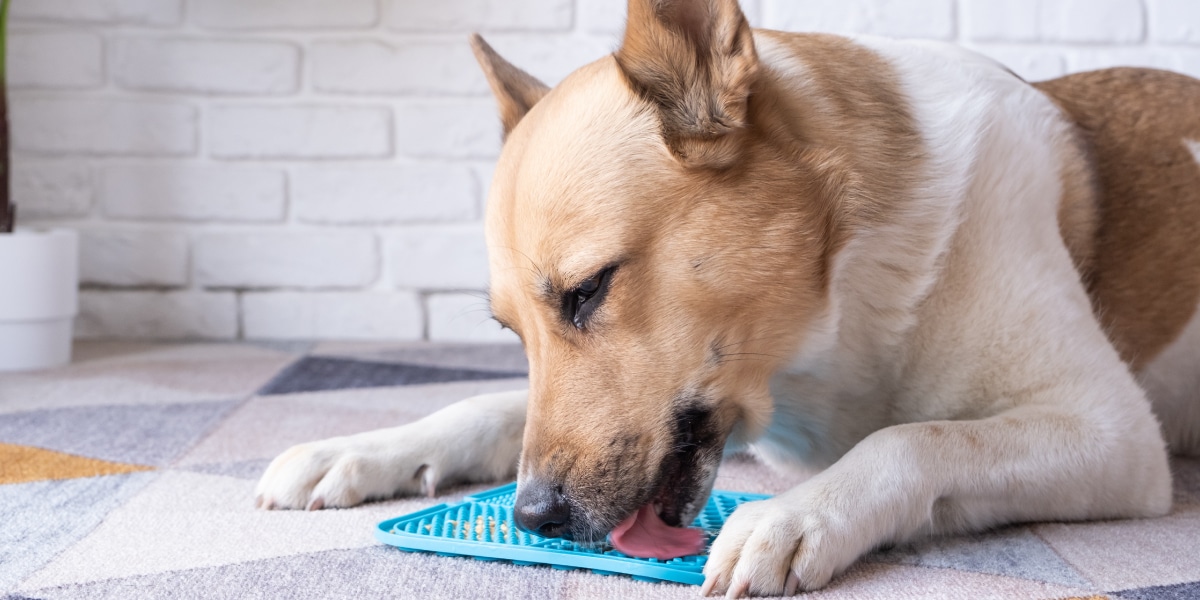
How to Use a Lick Mat During Bath Time: Tips for a Calm, Fun Experience
Bath time can be a stressful or overwhelming experience for many pets, especially if they’re not used to the water or handling. However, with the right tools and approach, bath time can become a calming, even enjoyable, part of your pet’s routine. One such tool that has gained popularity among pet owners is the lick mat. When used correctly, a lick mat can serve as a distraction, reduce anxiety, and turn a potentially stressful situation into a positive bonding experience.
In this article, we’ll explore how to effectively incorporate a lick mat into your pet’s bath time routine. We’ll cover everything from preparing the lick mat with safe and engaging treats to making sure it’s properly placed and introduced to your pet. Whether you have a dog, cat, or other furry friend, these tips will help you create a calm, fun, and enriching bath time experience.
Preparing Your Lick Mat for Bath Time Distraction and Enrichment
The first step in making bath time less stressful with a lick mat is preparing the mat itself. A well-prepared lick mat can serve as a powerful distraction that keeps your pet engaged while you handle their bath. Before each use, ensure the mat is clean and free of any residual food or debris from previous uses. Regular cleaning prevents bacteria buildup and maintains your pet’s health.
Next, think about what to put on the lick mat. The goal is to choose safe, appealing treats that promote licking and keep your pet occupied. Natural options like plain peanut butter (xylitol-free), canned pumpkin, or yogurt are popular because they are palatable and easy to spread. For pets with food allergies or sensitivities, consider using specially formulated pet-friendly spreads or pureed fruits and veggies approved by your veterinarian. Avoid anything too sticky or runny, as this can make the mat difficult to clean or messier during bath time.
Finally, consider the freeze-drying or freezing of treats on the lick mat. Freezing spreads the treats and provides a longer-lasting activity, which can be especially helpful for anxious pets or those prone to impatience. A frozen lick mat lasts longer and offers a cooling, soothing sensation, which can be particularly comforting during a bath. Preparing the lick mat in advance with these strategies creates an effective, calming distraction that promotes relaxation and engagement.
Choosing the Right Flavors and Toppings for Safe, Engaging Treats
When selecting flavors and toppings for your pet’s lick mat, safety is the top priority. Not all human foods are safe for pets, so it’s essential to choose ingredients that are both delicious and non-toxic. Natural peanut butter (without added sugar or xylitol), plain Greek yogurt, pumpkin puree, or mashed bananas are popular options that many pets love. These treats are not only tasty but also provide a healthy, enriching experience during bath time.
Beyond safety, consider your pet’s preferences and dietary needs. Some animals are more motivated by certain flavors, so a bit of trial and error might help you identify what they enjoy most. For example, some dogs prefer savory spreads, while others love fruity or sweet options. If your pet has sensitivities or allergies, consult your veterinarian to determine the safest treats and avoid ingredients that could cause upset stomach or allergic reactions.
Additionally, adding variety can keep bath time interesting. You might alternate between a smear of peanut butter, a layer of mashed carrots, or a dollop of plain yogurt across different sessions. This variety not only prevents boredom but also provides a gentle sensory stimulation that can help your pet associate bath time with positive experiences. Just be sure to use treats in moderation—the goal is enrichment, not overfeeding—especially if treats are part of your pet’s daily diet.
Proper Placement and Securing of the Lick Mat in the Bath Area
The placement of the lick mat is crucial for ensuring your pet’s safety and maximizing its effectiveness as a distraction. Ideally, the mat should be secured to a non-slip surface in your bath area to prevent slipping or flipping over. Many pet owners use special suction cup mats designed for this purpose, which adhere firmly to bathtubs or tiled surfaces. For larger or more active pets, consider attaching the mat to a vertical surface at their eye level—this helps keep them focused and reduces the chance of the mat sliding away.
Once the mat is securely attached, ensure that the treats are evenly spread and that the surface provides enough texture for your pet to comfortably lick and engage. Avoid placing the treats too close to the edges, where they might fall or become messy during the bath. It’s also helpful to position the mat in a spot where your pet can comfortably reach it without straining or jumping. This setup encourages calm licking and reduces anxiety about the location of treats during bath time.
Before starting the bath, test the stability of the lick mat to make sure it stays in place when your pet interacts with it. If your pet tends to be particularly energetic, you might consider using multiple secure attachments or a larger mat to prevent accidental dislodging. Proper placement and securing of the lick mat create a safe, controlled environment that fosters focus and helps your pet associate bath time with positive, engaging sensations.
Tips for Introducing the Lick Mat to Your Pet During Bath Time
Introducing a lick mat to your pet for the first time requires patience and a gentle approach. Start by familiarizing your pet with the mat outside of bath time. Allow them to sniff and investigate it, rewarding curiosity with praise or a small treat. Once your pet is comfortable with the mat, spread a small amount of a safe treat on it and encourage them to lick it while they’re relaxed at home.
When you’re ready to incorporate the lick mat into bath time, do so gradually. Begin by placing the prepared mat in the bath area before turning on the water. Let your pet see and sniff the treat, so they begin to associate the mat with positive, calming experiences. During the bath, praise your pet for engaging with the mat and licking the treats. Keep the tone upbeat and encouraging to reinforce the positive association.
It’s important to avoid forcing your pet to interact with the mat if they seem hesitant or stressed. Instead, let them approach at their own pace. If they’re resistant, try rewarding small interactions, like touching the mat or licking a tiny amount of treat. Patience during this introduction phase ensures that your pet views the lick mat as a source of comfort rather than a source of anxiety. Over time, they’ll come to associate it with relaxation and fun during bath time.
Monitoring and Managing Your Pet’s Response to Ensure a Calm Bath Experience
During bath time, closely monitor your pet’s behavior and response to the lick mat and the overall environment. Watch for signs of stress, such as excessive panting, whining, trembling, or attempts to escape. If your pet shows signs of discomfort, it’s important to pause and give them a break, allowing them to reset and regain composure.
Managing your pet’s response involves creating a calm, reassuring environment. Speak in soothing tones, keep the water at a comfortable temperature, and avoid sudden movements or loud noises. If your pet becomes overly excited or anxious, remove the lick mat temporarily and focus on calming techniques like gentle petting or offering a favorite toy. The goal is to develop positive associations with bath time, not to force engagement.
Additionally, set realistic expectations based on your pet’s temperament and previous experiences. For some animals, a few minutes of licking on the mat is enough; for others, longer sessions might be necessary. Always prioritize your pet’s comfort and safety—if they’re overly stressed, it’s better to end the session calmly and try again later. Consistent, positive reinforcement is key to helping your pet feel more relaxed during future baths.
Conclusion: Making Bath Time a Positive, Enriching Experience with a Lick Mat
Incorporating a lick mat into your pet’s bath routine can significantly reduce anxiety, distract from water and handling, and turn an otherwise stressful activity into a positive experience. Proper preparation of the lick mat, selecting safe and engaging treats, and ensuring correct placement are fundamental steps. Introducing the mat gradually and managing your pet’s response with patience helps build trust and comfort.
Remember, every pet is different. Some may take to a lick mat immediately, while others need more time to feel comfortable. The key is to be consistent, gentle, and attentive to your pet’s cues. With these tips, bath time can become not just a necessary task but also an opportunity for calming enrichment and stronger bonding. So go ahead—equip yourself with a quality lick mat and make bath time a fun, stress-free part of your pet’s routine!