


How to Use Bathing to Check for Lumps or Bumps: A Simple Self-Exam Guide
Regular self-examinations are key to maintaining your health, especially when it comes to detecting early signs of issues like lumps or bumps that could indicate benign or even serious conditions. What if you could incorporate this vital check into your daily routine effortlessly? Bathing provides an excellent opportunity to perform a thorough, relaxed skin inspection because you’re already in a cleansing mindset, hands are warm, and your skin is easily accessible. This guide will walk you through how to use bathing as a simple, effective way to check for lumps or bumps—empowering you to take charge of your health with confidence.
Preparing for a Thorough Bathing Routine to Detect Lumps or Bumps
Before diving into your self-exam during bath time, preparation is essential. First, ensure your bathroom environment is comfortable and well-lit. Bright, natural light is ideal, but if this isn’t possible, ensure you have ample lighting so you can clearly see and feel your skin. Having a clean, soft towel nearby allows you to carefully examine and dry yourself afterward, preventing any accidental slips if you need to feel around sore or unusual areas.
Next, gather any helpful tools or supplies you might need. While most lumps or bumps are detectable through palpation alone, some people find that a mirror is useful for inspecting hard-to-see areas like the neck, behind the ears, or the scalp. If you prefer, you might also use a gentle moisturizer or oil to glide your fingertips more smoothly over the skin, which can enhance sensitivity and make the process more comfortable. Remember, your goal is to make the self-exam a relaxed, routine part of bathing rather than a hurried task, so setting aside enough time ensures you won’t rush and miss anything.
Finally, adopt a calm, focused mindset. Self-examination isn’t about panicking or obsessing—it’s about developing awareness of how your body normally feels and looks. If you have a history of skin conditions or particular health concerns, consider discussing your self-exam routine with your healthcare provider. They can offer tailored advice or recommend specific areas to focus on. Starting with a routine that feels natural will help you stay consistent, making it easier to notice any changes over time.
Step-by-Step Techniques for Palpating Skin During Bathing
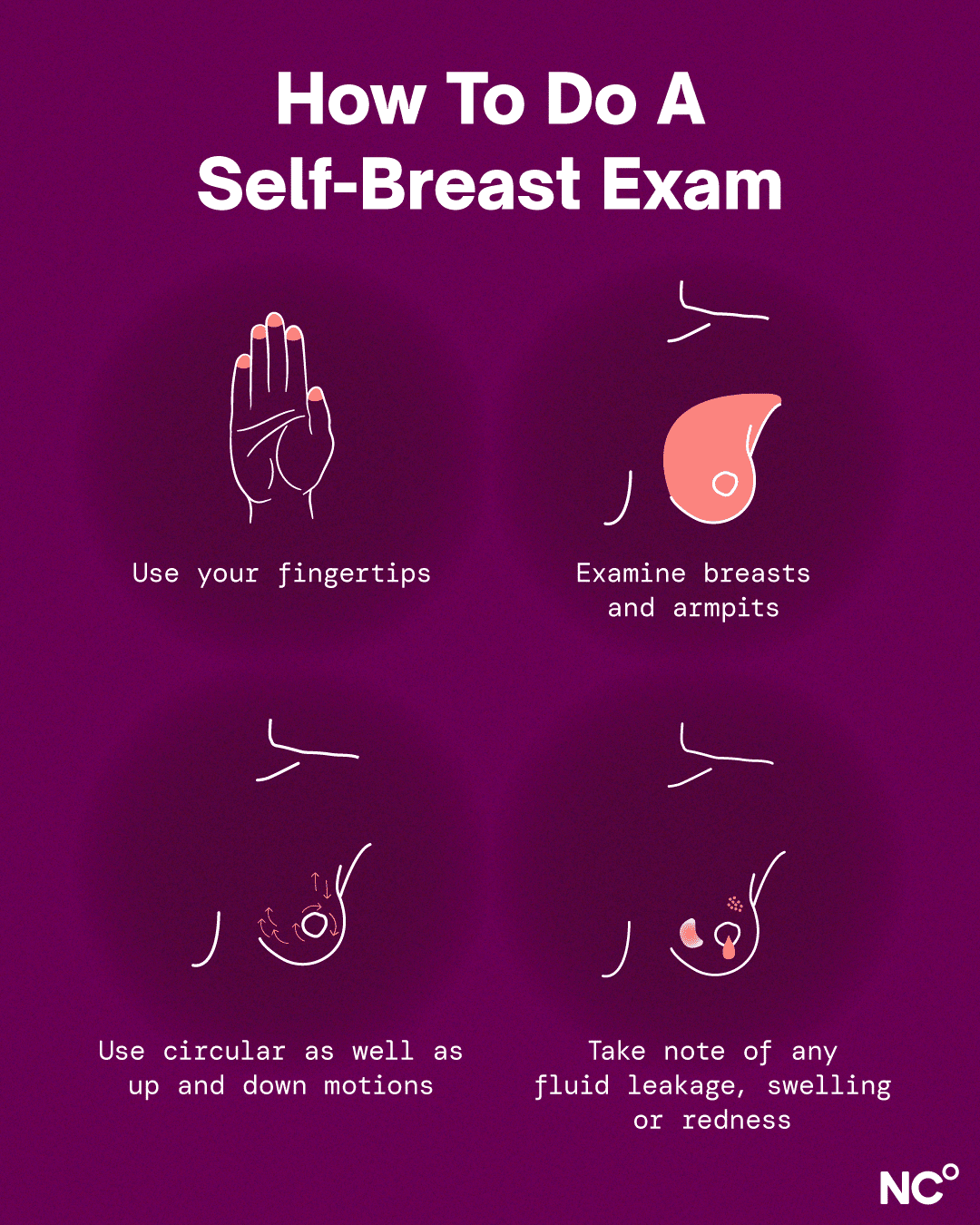
Once you’re prepared, it’s time to perform the self-exam. The key is to be methodical and gentle, using your fingertips to feel for any unusual lumps, bumps, or thickened areas on your skin. Begin by dividing your body into manageable zones—such as neck, chest, abdomen, arms, legs, and back—and systematically work through each region. Use the pads of your fingers (not just the fingertips) because they provide more sensitivity and better feedback.
Start with gentle, circular motions—pressing lightly at first—and gradually increase the pressure to feel deeper tissues, especially if you suspect something may be hidden beneath the surface. Pay close attention to areas where lumps are more common, such as the neck (including the lymph nodes), underarms, breasts, groin, and along the collarbone. When examining your face and scalp, use your fingertips to feel around the jawline, behind the ears, and through your hair. For your back and shoulders, reach around or use a mirror to help guide your hands.
As you palpate, note any anomalies such as lumps that are firm, soft, moveable, fixed, tender, or painless. It’s normal for your skin to have some lumps or bumps—like moles, cysts, or benign lipomas—so the goal is to familiarize yourself with what’s normal for your body. If you detect something new or unusual, mark it with a gentle reminder or take a photo to monitor any changes over time. Consistency in your technique helps you develop a good baseline, making it easier to spot future abnormalities.
Identifying Common Types of Lumps and Bumps in the Bathing Process
Understanding what you’re feeling for can help you distinguish between harmless bumps and potentially concerning ones. Common benign lumps include skin tags, cysts, lipomas, or moles, which often feel soft, moveable, and painless. For example, sebaceous cysts are usually round, smooth, and may be tender if infected. Lipomas tend to be soft, rubbery, and easily movable under the skin, often appearing on the neck, shoulders, or arms.
However, there are bumps that warrant closer attention. Firm, irregular, or fixed lumps that don’t move easily or are accompanied by other symptoms like skin changes, pain, or swelling could be signs of more serious conditions such as skin infections, benign tumors, or even skin cancers like melanoma. For example, a new mole that changes in size, shape, or color, or one that bleeds or itches, should be examined promptly. Similarly, persistent or growing lumps in lymph nodes—like those in the neck or underarms—may indicate an underlying infection or, rarely, malignancy.
While most bumps are benign, it’s vital to be aware of warning signs that suggest you should see a healthcare professional sooner rather than later. These include lumps that are hard and immovable, rapidly growing, painful, or associated with systemic symptoms like unexplained weight loss or fatigue. Remember, self-exams are about familiarity—if something feels unusual or different from your usual skin texture and feel, it’s worth getting checked out by a medical expert.
When to Seek Medical Advice Based on Your Bathing Inspection Findings
While most lumps or bumps you encounter during self-examination are harmless, vigilance is crucial. If you notice any new, persistent, or changing lumps, it’s important to consult a healthcare professional for a thorough evaluation. Especially if a bump is growing rapidly, feels hard or fixed in place, or is accompanied by skin changes such as color variation, ulceration, or bleeding, seeking medical advice becomes urgent. Early diagnosis can be critical, particularly for skin cancers like melanoma, which often appear as irregular, asymmetrical moles or spots.
Don’t delay consulting a healthcare provider if you experience other symptoms along with the lump, such as unexplained weight loss, fever, night sweats, or fatigue. These systemic signs can sometimes point to more significant underlying conditions that require prompt diagnosis and treatment. If a lump is painful, tender, or shows signs of infection—like redness, warmth, or pus—professional medical assessment is necessary to prevent complications. Additionally, any lump that feels different from your usual skin features or that you cannot explain should be evaluated by a doctor.
Remember, self-examination is a valuable first step, but it’s not a substitute for professional medical advice. If you’re unsure about a lump or bump, or if it persists beyond a few weeks, make an appointment with your healthcare provider. They can perform diagnostic tests, such as biopsies or imaging, to determine the nature of the lump and recommend appropriate treatment if needed.
Tips for Incorporating Lump and Bump Checks into Regular Self-Examinations
Making lump and bump checks a regular part of your self-care routine helps ensure early detection of any abnormalities. Incorporate these checks into your bathing routine—perhaps weekly or biweekly—so it becomes a natural habit. Keep a small checklist or mental note of areas to focus on, especially those prone to benign bumps or at higher risk for skin issues. Over time, familiarization with your body’s normal features makes spotting anomalies easier and less stressful.
Use visual aids, like a mirror or taking photos of moles or other skin features, to track changes over time. This can be particularly helpful for monitoring moles or skin spots, which should be assessed for asymmetry, border irregularities, color variations, diameter, or evolving features—often summarized as the ABCDEs of melanoma detection. Additionally, consider setting reminders or calendar alerts to perform these self-exams regularly, ensuring consistency without feeling burdensome.
Finally, always combine self-examinations with other health practices, such as routine skin checks by a dermatologist if you have a history of skin cancer or multiple moles. Educate yourself about common signs of skin cancer or other skin conditions, and don’t hesitate to seek professional advice if you notice anything unusual. Remember, early detection saves lives, and integrating these simple checks into your bathing routine makes proactive health monitoring manageable and effective.
Conclusion
Incorporating self-examinations during bathing is a practical, non-invasive way to stay vigilant about your health. By preparing thoughtfully, using gentle palpation techniques, understanding the types of lumps and bumps to look for, and knowing when to seek medical advice, you empower yourself to catch potential issues early. Regular self-checks foster a deeper awareness of your body’s normal features, making it easier to recognize changes that may need professional attention. Remember, your body is unique—being familiar with how it feels and looks is a vital step toward maintaining your health. So, next time you step into the shower or bath, take a few extra moments to gently inspect your skin—you might just be helping to catch something early that could make all the difference.