


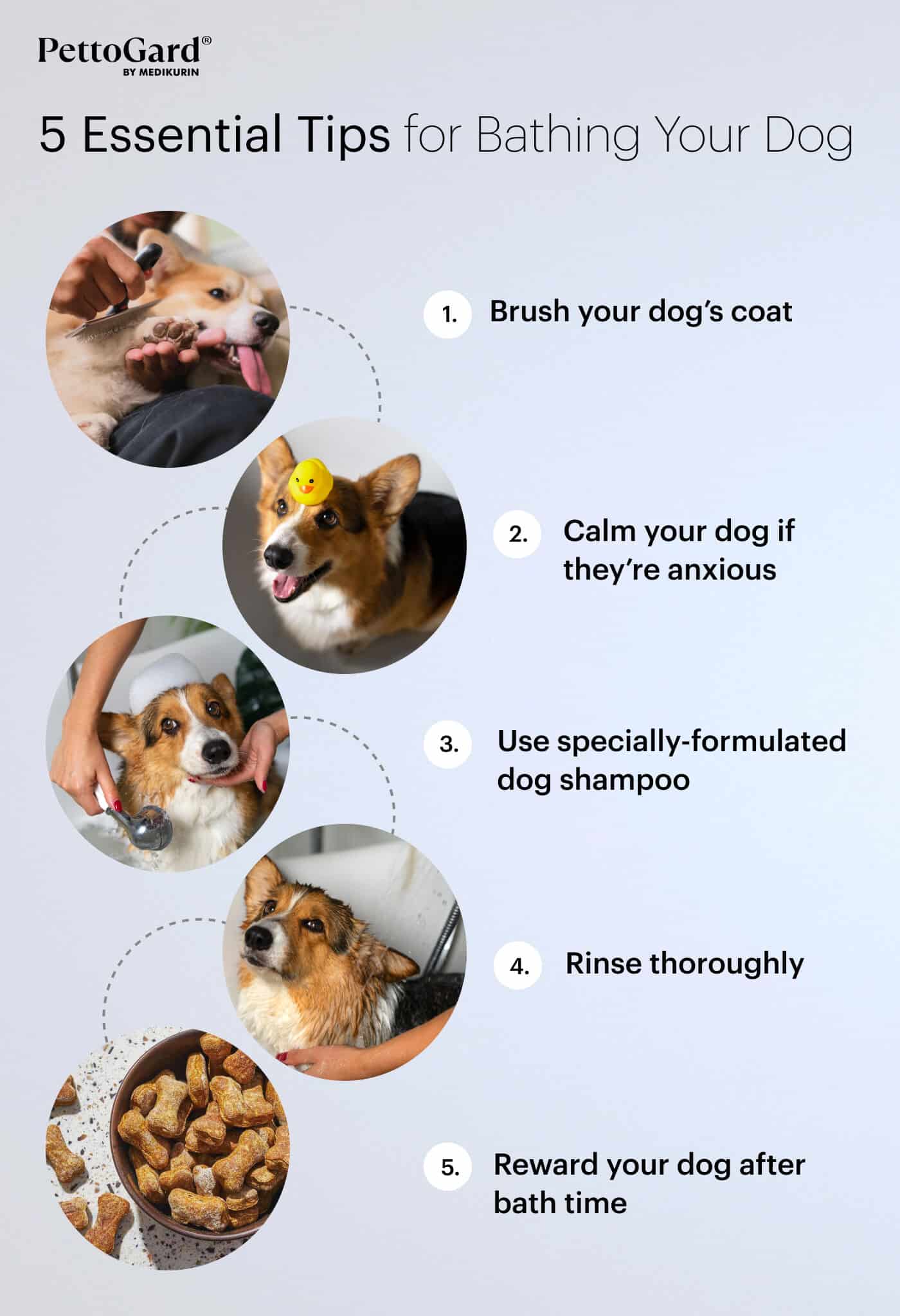
How to Use Dog Bath Time for Bonding and Training: Tips for Pet Owners
Bath time isn’t just about keeping your dog clean—it’s a fantastic opportunity to strengthen your bond, reinforce good behavior, and make your furry friend more comfortable with handling and grooming. Many pet owners see bath time as a chore, but with a little preparation and the right approach, it can become a positive, trust-building experience for both you and your dog. This article will guide you through making bath time a rewarding part of your relationship, offering practical tips on preparing your dog and bathing area, handling them calmly, incorporating training cues, and ensuring the experience is enjoyable and stress-free.
Preparing Your Dog and Bathing Area for a Positive Experience
Before you even turn on the water, setting the stage for a pleasant bath is essential. Start by choosing a comfortable, safe bathing spot—whether it’s a bathtub, a walk-in shower, or a designated outdoor area. Ensure the space is clean, free of hazards, and has easy access to water. Having all necessary supplies within reach—dog shampoo, towels, a brush, and a non-slip mat—prevents interruptions during the bath and keeps the process smooth.
Familiarize your dog with the bathing area beforehand. Allow them to explore the space without any pressure, using treats and praise to create positive associations. If your dog is hesitant or fearful, gradually introduce them to the area over several sessions, pairing each visit with rewards. This approach helps reduce anxiety and builds trust, making bath time less stressful when it’s actually time to bathe.
Use calming aids if needed, such as natural sprays or diffusers with dog-safe pheromones, especially if your dog tends to be anxious during baths. Maintaining a calm environment—soft voice, soothing tones, and gentle movements—also promotes relaxation. Remember, patience is key: rushing or forcing your dog into the bath can create negative associations, making future baths more challenging.
Establishing Calm and Gentle Handling Techniques During Bath Time
Handling your dog gently and confidently during bath time lays the foundation for a trustful relationship. Begin with slow, deliberate movements, and approach your dog with a calm demeanor. Speak softly and reassuringly to help your dog feel secure. If your dog is new to baths, start by handling their paws, ears, and tail outside of bath time, pairing these touches with praise and treats to desensitize them.
Use positive reinforcement consistently. Reward your dog with treats, praise, or affection when they remain calm or cooperate during handling. This encourages them to associate grooming and bathing with good experiences rather than fear. For example, gently lifting a paw or touching their ears should be met with praise and a treat, gradually increasing in duration as your dog becomes more comfortable.
Practice gentle restraint techniques without causing discomfort. If your dog tends to jump or wiggle, use a loose hold to keep them steady without force. For larger dogs, using a leash attached to a secure point can provide control without causing stress. Remember, patience and consistency are vital—forcing a dog into calm handling can backfire, making future baths more difficult.
Incorporating Training Commands and Behavioral Cues into Bath Routine
Bath time is a perfect opportunity to reinforce basic commands and foster good behavior. Work on commands like “sit,” “stay,” “wait,” or “gentle” during the process. For example, ask your dog to sit calmly while you prepare the bathing area or hold still when applying shampoo. Reward compliance immediately to strengthen the connection between the command and the desired behavior.
Introduce specific cues for handling and grooming during the bath. For instance, teach your dog to “stand” or “touch” in specific spots, which can help them stay still during washing or rinsing. This not only makes the process smoother but also reinforces obedience and self-control. Consistent cues and rewards help your dog understand what is expected, reducing resistance and making future bath routines easier.
Use the bath as an opportunity to teach patience and self-control. If your dog becomes excited or anxious, calmly redirect their attention with commands or treats. Over time, these cues can extend beyond bath time, improving overall obedience and reducing stress during other grooming tasks. Remember, the goal is to create a routines that your dog can anticipate and feel comfortable with, making bath time a training session as well.
Using Bath Time as an Opportunity to Reinforce Trust and Bonding
Intentionally using bath time as a bonding moment helps deepen your relationship and build your dog’s confidence. Engage in gentle, affectionate touch—stroking your dog’s fur, massaging their muscles, and maintaining eye contact with a soft voice. These actions reassure your dog that they are safe and loved, turning an ordinary chore into a meaningful interaction.
Make eye contact and talk to your dog during the bath. Use a warm, encouraging tone to communicate that you’re there to support them. Petting and praising your dog during and after the bath reinforces positive associations with the experience. Remember, a calm and patient demeanor from you signals to your dog that they can trust you, easing their worries and fostering cooperation.
Incorporate play and treats into the routine after the bath to reward their good behavior and reinforce trust. For example, after a successful bath, offer a favorite toy or a special treat, and spend some quality time together. These moments of connection not only make bath time more enjoyable but also strengthen your overall bond, making future grooming sessions easier and more relaxed.
Tips for Making Bath Time Enjoyable and Stress-Free for Your Dog
Creating a positive bath experience is all about reducing stressors and increasing comfort. Start with a relaxed attitude, and avoid rushing or showing frustration if your dog resists. Keep the environment calm, fight the urge to yell or scold, and instead focus on gentle reassurance and encouragement. The happier and more confident you are, the more your dog will mirror those feelings.
Make the experience rewarding, using treats, praise, and play to motivate your dog. Break the routine into small, manageable steps—introduce water gradually, and praise every step of cooperation. For example, let them sniff the shampoo or splash a little water on their paws before proceeding, turning each step into a positive experience.
End each bath with a reward and some cuddle time. After your dog is dry and clean, offer their favorite treats or a relaxing brush to leave them feeling loved and comfortable. Incorporating play or cuddling at the end of bath time transforms it into a bonding ritual your dog can look forward to. Over time, these positive associations will help your dog see bath time as a safe, even enjoyable, part of their routine.
Conclusion
Transforming bath time into a bonding and training opportunity can significantly improve your relationship with your dog while making grooming routines less stressful. By preparing your space and your dog beforehand, handling them with calm and gentle techniques, incorporating training cues, and emphasizing trust-building interactions, you can turn a necessary task into a rewarding experience. Remember, patience and consistency are key—each positive bath experience contributes to a happier, more relaxed dog that trusts and enjoys their time with you. So next time you approach bath time, see it as a chance to connect, teach, and strengthen your special bond.