


How to Use Herbal Sprays During Brushing for Better Oral Health
Maintaining optimal oral health goes beyond just brushing twice a day. In recent years, herbal sprays have gained popularity as a natural complement to traditional dental care routines. These sprays can enhance freshness, fight bacteria, and support overall gum health when used thoughtfully during brushing. If you’re curious about integrating herbal sprays into your daily routine, this article will guide you through the benefits, selection, application, and tips for maximizing their effectiveness for a healthier, brighter smile.
Benefits of Incorporating Herbal Sprays into Your Brushing Routine
Adding herbal sprays to your brushing routine offers a host of advantages that can elevate your oral hygiene game. Unlike chemical-laden mouthwashes, herbal sprays tend to be gentle yet potent, harnessing nature’s own antimicrobial and healing properties. They can help reduce plaque buildup, combat bad breath, and soothe irritated gums, making daily brushing more effective and enjoyable.
One key benefit of herbal sprays is their ability to deliver targeted relief without harsh chemicals. For example, ingredients like chamomile or aloe vera can calm inflamed tissues, providing soothing comfort to sensitive gums. Moreover, herbal sprays often contain antibacterial compounds such as tea tree oil or neem, which can inhibit the growth of harmful bacteria responsible for cavities and periodontal disease. This natural synergy supports a balanced oral microbiome, essential for long-term dental health.
Beyond physical benefits, incorporating herbal sprays can boost your confidence with fresher breath and a cleaner mouth feel. They are portable, easy to use, and often free from alcohol or artificial flavors, making them suitable for people with sensitivities or those preferring natural remedies. Overall, integrating herbal sprays into your brushing routine is a simple yet effective way to elevate your oral care and promote healthier teeth and gums.
Choosing the Right Herbal Sprays for Oral Hygiene
With a growing market of herbal oral care products, selecting the right herbal spray can seem overwhelming. The first step is to identify your specific oral health needs—whether it’s combating bad breath, reducing plaque, or soothing sensitive gums. Look for sprays formulated with natural ingredients known for their oral benefits and avoid those with artificial preservatives or alcohol unless specifically desired.
When choosing an herbal spray, check the ingredient list carefully. Popular and effective herbs include tea tree oil, neem, peppermint, clove, and aloe vera. Tea tree oil, for instance, has potent antimicrobial properties, while neem is renowned in traditional medicine for its antibacterial and anti-inflammatory effects. Peppermint not only freshens breath but also provides a cooling sensation that enhances the brushing experience. Make sure the product is free from harsh chemicals and that it’s approved by dental health authorities or certified organic if possible.
Another consideration is the spray’s format and application method. Some herbal sprays come in small, portable bottles perfect for on-the-go use, while others are designed for direct application during brushing. Read reviews and seek recommendations from dental professionals or trusted brands specializing in natural oral care. Ultimately, the best herbal spray for you balances efficacy, safety, and your personal preferences, making it a seamless addition to your daily dental hygiene routine.
Step-by-Step Guide to Using Herbal Sprays During Brushing
Integrating herbal sprays into your brushing routine can enhance their benefits if done correctly. Here’s a simple, effective step-by-step guide to ensure you make the most out of herbal sprays during oral hygiene:
-
Prepare Your Supplies: Gather your toothbrush, toothpaste, and the herbal spray you’ve selected. Ensure your toothbrush is clean and in good condition.
-
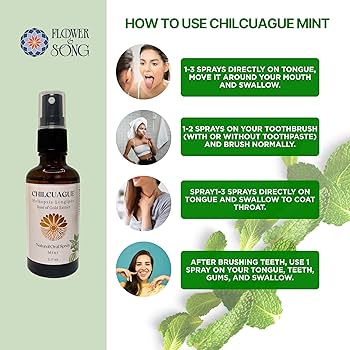
Apply the Herbal Spray: After wetting your toothbrush and applying a pea-sized amount of toothpaste, spray a few pumps of the herbal spray directly onto your toothbrush bristles or onto your tongue and gums. Alternatively, some prefer to spray into their mouth after brushing, but applying during brushing can maximize contact with teeth and gums.
-
Brush Thoroughly: Use gentle, circular motions to brush all surfaces of your teeth, focusing on the gum line and hard-to-reach areas. The herbal spray’s active ingredients will mingle with the toothpaste, providing antimicrobial effects during brushing.
-
Rinse or Spit: After brushing for about two minutes, spit out excess toothpaste and herbal spray. If your herbal spray contains beneficial oils, avoid rinsing immediately with water to allow the active compounds to stay longer in your mouth.
-
Follow Up if Needed: For added freshness, you may opt to spray a bit more herbal spray into your mouth after brushing, but avoid overdoing it to prevent any irritation.
-
Maintain Consistency: Incorporate this routine daily for sustained benefits. Regular use, combined with good oral hygiene practices, will help you achieve better dental health over time.
Remember, herbal sprays are a complement, not a replacement, for regular brushing, flossing, and dental checkups. Use them as part of a comprehensive oral care plan for optimal results.
Common Herbal Ingredients and Their Oral Health Properties
Many herbs have been used for centuries to promote oral health, and modern science is beginning to validate these traditional uses. Here are some of the most common herbal ingredients found in oral sprays and their proven or potential benefits:
-
Tea Tree Oil: Known for its powerful antimicrobial and antifungal properties, tea tree oil can help reduce bacteria responsible for plaque formation and bad breath. It’s also effective against candida overgrowth in the mouth.
-
Neem: Widely used in Ayurvedic medicine, neem has antibacterial, anti-inflammatory, and healing properties. It can help prevent cavities, reduce gingivitis, and promote healthier gums.
-
Peppermint: Besides its refreshing flavor, peppermint contains menthol, which acts as a natural decongestant and breath freshener. It also provides a cooling sensation and mild antimicrobial effects.
-
Clove: Clove oil contains eugenol, a compound with analgesic and antibacterial properties. It’s particularly useful for soothing toothaches and reducing oral bacteria.
-
Aloe Vera: Known for its soothing and healing effects, aloe vera can calm irritated tissues and reduce inflammation. Its antimicrobial properties also help in controlling plaque.
-
Chlorhexidine (natural extracts): Although synthetic, some herbal-based formulations combine natural extracts with chlorhexidine for enhanced antimicrobial effects, supporting gingivitis treatment.
Incorporating these herbs into your oral care routine can provide a natural defense system against common dental issues. Always ensure the herbal ingredients used are of high quality and used in appropriate concentrations to avoid any adverse reactions.
Tips for Maximizing the Effectiveness of Herbal Sprays in Dental Care
To get the most out of herbal sprays during your brushing routine, consider these practical tips. First, use herbal sprays consistently—daily use creates a cumulative effect that benefits your oral health over time. Incorporate them into your routine at a specific time, such as immediately after brushing, to establish a habit.
Second, combine herbal sprays with other good practices like flossing daily and maintaining regular dental checkups. While herbal sprays can help control bacteria and soothe tissues, they are most effective when paired with comprehensive oral hygiene. Avoid eating or drinking immediately after applying herbal sprays to allow their active ingredients to work uninterrupted.
Third, pay attention to your body’s reactions. Some herbal ingredients, especially essential oils, can cause sensitivities or allergic reactions in certain individuals. If you notice any irritation or discomfort, discontinue use and consult with a dental professional. Also, store herbal sprays in a cool, dry place away from sunlight to preserve their potency.
Finally, educate yourself about the specific benefits of the herbal ingredients used in your spray. Understanding how they work can help you tailor your routine to your needs—whether focusing on breath freshness, gum health, or cavity prevention. Remember, natural remedies work best when used as part of a balanced and informed approach to oral health.
Conclusion
Incorporating herbal sprays into your brushing routine is a simple, natural way to boost your oral health efforts. From choosing the right herbal ingredients to applying them correctly and maximizing their benefits, there are many ways to enhance your dental hygiene naturally. These sprays offer a gentle yet effective approach to combating bacteria, reducing inflammation, and maintaining fresh breath without relying on harsh chemicals.
By understanding the properties of common herbal ingredients, selecting quality products, and following a consistent routine, you can support healthier teeth and gums in a way that aligns with your preference for natural remedies. Remember, good oral hygiene is a holistic effort—combining regular brushing, flossing, dental visits, and smart use of herbal sprays will set you on the path toward a brighter, healthier smile. So why not give this natural addition a try and see the difference it can make in your daily dental care?