


How to Wash a Dog in a Shower Stall: Step-by-Step Guide for Pet Owners
Giving your dog a bath can sometimes feel like a daunting task, especially if your furry friend isn’t a big fan of water. Whether it’s due to past bad experiences or just the natural dislike that many dogs have for being wet, bathing requires patience, preparation, and the right technique to make the experience safe, comfortable, and effective for both you and your pet. If you’re considering washing your dog in a shower stall, this guide will walk you through every step—from preparing the space to drying your pup—so that bath time becomes a manageable and even enjoyable routine.
In this article, you’ll learn how to prepare your shower stall for dog bathing, gather all necessary supplies, properly wet and shampoo your dog, and rinse and dry while keeping your pet calm and stress-free. By following these steps, you’ll turn what once was a stressful chore into a bonding experience that leaves your dog clean, comfortable, and happy.
Preparing Your Shower Stall for Dog Bathing Safety and Comfort
Before you even turn on the water, it’s essential to prepare your shower stall to ensure your dog’s safety and comfort. A clean, non-slip surface is vital because dogs tend to become nervous or unbalanced when their paws don’t have proper footing. Using non-slip mats or rubberized decals inside the shower stall can prevent slips and falls, reducing the risk of injury and making your dog feel more secure. Additionally, consider the height of the showerhead—if it’s too high, use an adjustable wand or handheld sprayer to control water flow and direction, making it easier to target specific areas without overwhelming your pet.
Temperature control is another critical aspect. Always test the water temperature before bathing your dog—lukewarm water (around 90-100°F or 32-38°C) is ideal. Water that’s too hot can burn your dog’s skin, while cold water can cause discomfort or stress. Ensuring a comfortable temperature helps your dog relax and reduces the likelihood of resistance or panic during the bath. It’s also wise to keep the bathroom door closed or a barrier in place to prevent your dog from escaping the shower area mid-bath, especially if they’re prone to panicking or running away, which could cause injury.
Lastly, consider your dog’s specific needs and temperament. If your dog has a history of anxiety or is especially nervous, setting up calming aids such as aromatherapy diffusers with lavender (safe for dogs) or placing a favorite blanket or toy in the shower can make the environment more welcoming. Additionally, having a plan for quick exits or breaks can help if your dog becomes overwhelmed. Remember, preparing the shower stall isn’t just about safety—it’s about creating an environment that fosters trust and ensures a positive bathing experience.
Gathering the Necessary Supplies and Setting Up the Bathing Area
Having all your supplies ready before you start can significantly streamline the bathing process and minimize stress for both you and your dog. Essential items include dog-specific shampoo, a handheld shower spray or detachable hose, towels, a brush or comb, and possibly a drying fan or blow dryer designed for pets. Using pet-friendly shampoos is critical—they’re formulated to be gentle on your dog’s skin and coat, reducing the risk of irritation or allergic reactions. Consider also having a cup or small container for rinsing stubborn areas and a leash or harness to gently secure your dog if needed.
Set up your bathing area in a way that maximizes comfort and convenience. Place towels on the bathroom floor and inside the shower stall to provide extra padding and absorb excess water. Fill your bathtub or shower with lukewarm water prior to bringing your dog in—this way, you won’t have to rush and risk cold or uncomfortable water temperatures. Keep your dog’s favorite toys or treats nearby to reward good behavior and encourage cooperation. If your shower stall has a built-in ledge or a detachable showerhead, adjust it to the appropriate height and angle to make rinsing easier.
Preparation also means organizing your supplies so everything is within arm’s reach. This prevents you from having to leave your dog unattended or search for items mid-bath, which could lead to accidents or stress. Use baskets or caddies to keep shampoos, brushes, and towels organized. Remember, a little prep work upfront can make the entire bathing process smoother, safer, and more pleasant for your furry friend.
Properly Wetting and Applying Dog-Friendly Shampoo for Effective Cleaning
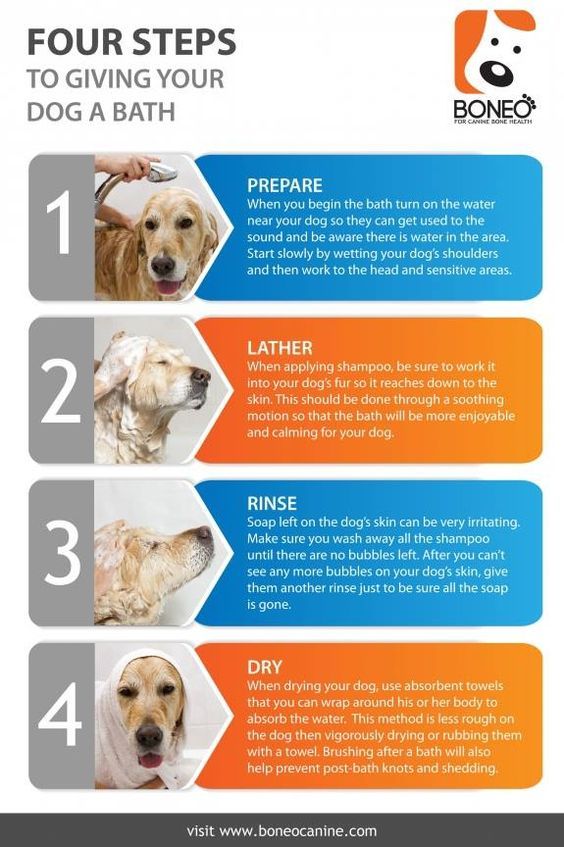
Once your shower stall is ready and your supplies are at hand, it’s time to gently wet your dog’s coat. Using lukewarm water from a handheld spray or cup, start by wetting your dog’s legs, then gradually move to the body and chest, avoiding the face initially to prevent water from getting into their eyes or ears. Gentle, steady pouring helps prevent startling your dog and ensures even wetting. Properly soaking the fur is crucial because it allows the shampoo to lather thoroughly and reach the skin, where dirt, oils, and odors accumulate.
Apply a dog-specific shampoo, focusing on areas prone to dirt or odor, such as the paws, underbelly, and behind the ears. Use your hands or a soft brush to massage the shampoo into the fur in gentle circular motions. This not only cleans effectively but also provides a calming massage that can help relax your dog. Be sure to read the shampoo label for specific instructions—some formulas require shorter contact times or need to be diluted first. Avoid applying shampoo directly to your dog’s face; instead, use a damp cloth to gently clean the facial area.
Rinsing is equally important; residual shampoo can cause skin irritation or itching. Use clean, lukewarm water to thoroughly rinse the coat, ensuring all soap is removed. Take your time to rinse from the neck down, working your way to the tail and legs, and double-check hard-to-reach areas like armpits and under the tail. Proper wetting and shampoo application not only ensure a clean dog but also help prevent skin problems caused by leftover soap or dirt. Patience is key—allowing your dog to become accustomed to the process can make future baths smoother.
Rinsing and Drying Your Dog After the Shower Bath
After thoroughly rinsing your dog’s coat, it’s time to gently dry them. Use a clean, absorbent towel to pat down the fur—avoid vigorous rubbing, which can cause matting or irritate sensitive skin. If your dog tolerates it, a pet-specific blow dryer on a low, cool setting can speed up the drying process and help remove excess moisture from the undercoat. Keep the dryer moving continuously to prevent overheating or discomfort. Many dogs find the sound of a blow dryer soothing, but always monitor your pet’s response and stop if they become anxious.
Proper drying is essential to prevent skin infections and matting, especially for long-haired breeds. For dogs with thick coats, you may need to use multiple towels or a combination of towel drying and blow drying. Be mindful of sensitive areas like the face, ears, and paws—these are more prone to irritation. If your dog is particularly nervous about dryers or noise, introducing the dryer gradually and offering treats or praise can help desensitize them over time. For dogs with thick or curly coats, consider professional grooming tools or services for optimal drying and coat management.
Finally, once your dog is dry, brush their coat thoroughly to remove any loose fur, prevent matting, and smooth out the coat’s texture. This final step helps keep your dog comfortable and looking their best, and it can be a bonding moment if done gently and with positive reinforcement. Reward your dog with praise or treats after the bath to reinforce a positive association with the grooming process. Complete drying and brushing not only leave your dog looking great but also promote healthier skin and coat.
Tips for Making the Dog Shower Experience Calm and Stress-Free
Bath time can be stressful for many dogs, but with the right approach, you can turn it into a calming and even enjoyable experience. Start by choosing a quiet, warm time of day when your dog is relaxed and in a positive mindset. Use calm, soothing voice commands and gentle handling to reassure your pet throughout the process. Incorporating treats and praise at each step can motivate your dog to cooperate and associate bath time with positive rewards, reducing anxiety and resistance.
Creating a predictable routine can help your dog feel more secure. For example, start with a brief introduction to the bathing area, followed by gentle handling and acclimatization to water, then gradually progress through wetting, shampooing, rinsing, and drying. Keep the experience as brief as possible without rushing, and always pay attention to your dog’s body language—stop and offer comfort if they show signs of stress. Using distraction techniques like toys or a favorite chew during parts of the bath can divert their attention and improve cooperation.
Lastly, patience and consistency are key. Some dogs may need multiple baths to get fully comfortable, and that’s okay. Never punish or yell at your dog if they become anxious; instead, provide reassurance and praise for calm behavior. Over time, with gentle handling, positive reinforcement, and a structured routine, your dog will come to view bath time as a safe and manageable part of their grooming. Remember, a calm and confident owner can significantly influence your pet’s overall bathing experience.
Conclusion
Washing your dog in a shower stall doesn’t have to be a stressful chore—it can become a safe, effective, and even bonding activity with proper preparation and technique. Start by preparing the shower space for safety and comfort, ensuring non-slip surfaces and controlled water temperature. Gather all necessary supplies beforehand, organizing them for easy access and eliminating interruptions. When it’s time to wash your dog, wet their coat thoroughly with lukewarm water, apply a gentle, dog-friendly shampoo, and rinse carefully to remove all soap residues.
Drying your dog properly with towels and, if tolerated, a blow dryer set to low heat, is essential for their comfort and skin health. Throughout the process, focus on making the experience calm and stress-free by using positive reinforcement, gentle handling, and a routine that your dog can learn to trust. With patience and practice, bathing your dog in a shower stall can be a straightforward and pleasant experience, leaving your pet fresh, clean, and happy.
Remember, every dog is different, so adapt these steps to suit your pet’s individual needs and temperament. Regular baths are important for maintaining your dog’s hygiene and health, and with the right approach, you’ll both enjoy the process more each time. Happy bathing!