

How to Wash a Dog on a Farm or Ranch: Easy Step-by-Step Guide
Taking care of a farm or ranch dog involves more than just feeding and providing shelter — it also means keeping them clean and healthy. Unlike city settings, farm or ranch environments can make dog grooming more challenging, especially when it comes to bathing. Dirt, mud, and outdoor grime are part of daily life, but regular baths are essential for your dog’s hygiene, comfort, and overall health. Whether you have a working herding dog, a farm companion, or a family pet living in rural areas, knowing how to properly wash your dog in a farm or ranch setting can save you time, reduce stress, and ensure your canine friend stays happy and healthy.
This article offers a comprehensive, step-by-step guide on how to wash a dog on a farm or ranch, covering everything from preparing the bathing area to post-bath care. We’ll provide practical tips, safety advice, and insights to help you make the grooming process straightforward and effective. With the right approach, bathing your farm or ranch dog can become a manageable routine that keeps your dog comfortable and your farm environment clean.
Preparing the Bathing Area and Gathering Supplies for Farm or Ranch Dog Wash
Before you even think about lathering up your dog, preparation is key. Setting up a dedicated bathing area ensures that the process is efficient, safe, and minimally stressful for your dog. For farm or ranch dogs, outdoor areas like a sturdy wash station, a sloped driveway, or even a large tub or kiddie pool can work well, especially if they’re used to outdoor living. It’s important to choose a location that is easy to clean and has good drainage. If working with a portable wash station, make sure it’s stable and accessible.
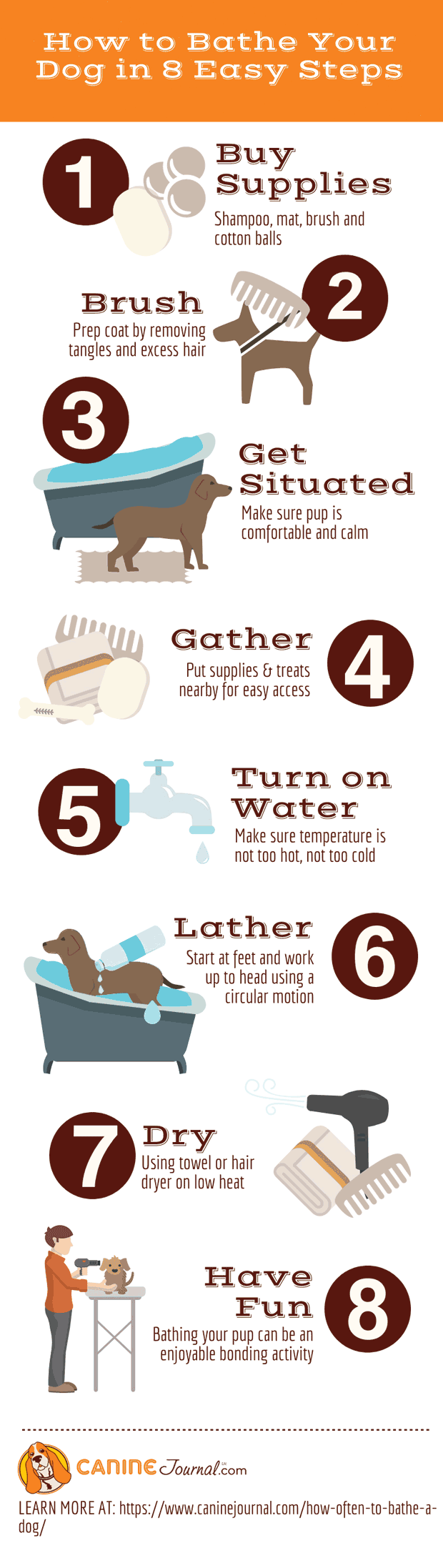
Gathering all necessary supplies beforehand is crucial to streamline the process. Typical items include a dog-friendly shampoo (preferably one formulated for outdoor or working dogs to avoid skin irritation), a large sponge or washcloth, a hose with a spray attachment or buckets of clean water, towels for drying, and a brush or comb suited for your dog’s coat type. Extra treats or toys can help keep your dog calm and cooperative. Additionally, consider using a non-slip mat in your bathing area to prevent slips and injuries, especially if the ground is wet or uneven.
Finally, plan your timing to avoid the hottest part of the day or approaching bad weather. A calm, warm day makes the experience more pleasant for your dog. Make sure the area is free of hazards like sharp objects, chemicals, or farm equipment that could cause injury. Preparing all supplies in advance reduces chaos during the bath and helps keep your dog relaxed, knowing everything they need is close at hand.
Ensuring Safety and Comfort During the Dog Washing Process
Safety and comfort should always come first when bathing your farm or ranch dog. Outdoor environments can introduce challenges like unpredictable weather, uneven terrain, or nearby hazards, so staying vigilant is essential. Keep a close eye on your dog’s reactions; if they become anxious or overly stressed, take a break or consider alternative methods. Use calm, reassuring tones and gentle handling to build trust and make the process less intimidating.
Water temperature is a critical safety concern. Always test the water before applying it to your dog, aiming for a lukewarm temperature that mimics body heat—neither too hot nor too cold. Cold water can cause discomfort or shock, while hot water risks burns or skin irritation. Be cautious of sharp objects, thorns, or debris in outdoor bathing areas that could cause injuries. If grooming in a natural setting, keep a first aid kit nearby in case of minor cuts or scrapes.
Finally, consider your dog’s health history and breed-specific needs. Some dogs may have skin sensitivities or health conditions that require special shampoos or additional protective measures. For example, older dogs or those with joint issues might need extra support during handling. Always supervise your dog closely during the bath, especially if they are excitable or nervous, and provide steady support to prevent slips or falls. Creating a safe, calm environment helps ensure the experience is positive and beneficial.
Step-by-Step Guide to Properly Washing and Rinsing Farm or Ranch Dogs
Once your bathing area is set and safety precautions are in place, it’s time to get into the core of dog grooming: washing and rinsing. Start by gently wetting your dog’s coat with water, avoiding the face and ears initially to prevent discomfort or water entering sensitive areas. Use a hose with a spray attachment or buckets of water, keeping the stream gentle and controlled. For extra control, consider using a hand-held sprayer that allows precise water application.
Apply dog-friendly shampoo, lathering thoroughly from the neck down, working your way towards the tail. Pay special attention to areas that tend to get dirtier, such as paws, belly, and underarms. For particularly muddy or smelly spots, you might need to scrub a little more vigorously. Use your hands or a soft sponge for gentle cleaning, and be cautious around the face—use a damp cloth to wipe the area instead of applying shampoo directly. Rinse thoroughly, making sure no soap residue remains, as leftover shampoo can cause itching or skin irritation.
The rinsing process is critical for a clean, healthy coat. Use plenty of water to wash away all shampoo suds, especially in thick or double coats where residue can trap dirt. Take your time to ensure every part of the coat is rinsed, including under the legs and around the collar area. After rinsing, check your dog’s skin for any signs of irritation or cuts that need attention. Proper rinsing not only leaves your dog smelling fresh but also helps prevent skin issues caused by shampoo buildup or dirt trapped beneath the fur.
Drying and Post-Bath Care to Maintain Coat Health and Comfort
Drying your farm or ranch dog properly after a bath is just as important as the washing itself. If weather permits, air drying outdoors can be effective—simply let your dog shake off excess water and use towels to pat dry. For dogs with thick or long coats, or in cooler weather, a blow dryer set to a low, cool setting may be necessary, but always keep the dryer at a safe distance to avoid overheating or burns. Always monitor your dog’s comfort levels during drying to prevent stress or discomfort.
Towel drying is the quickest way to remove most moisture, but it’s important to dry your dog thoroughly to avoid chill or skin issues, especially in cooler or windy environments. Use soft, absorbent towels and gently squeeze or pat the fur, avoiding vigorous rubbing which can cause matting or skin irritation. For dogs that are prone to matting, a brushing session after drying helps keep the coat smooth and free of tangles, promoting healthier skin and fur. Regular grooming also distributes natural oils, contributing to a shiny, healthy coat.
Post-bath care extends beyond drying. Check your dog’s ears, eyes, and paws for any lingering dirt, debris, or signs of irritation. Applying a coat conditioner or moisturizer designed for dogs can help maintain healthy skin, especially if your dog frequently gets dirty or exposed to harsh outdoor elements. Additionally, offering your dog a treat or engaging in gentle play after the bath can help create positive associations with grooming. This routine not only keeps your dog comfortable but also supports their overall coat health and well-being.
Tips for Regular Maintenance and Managing Dirt and Odor on Farm or Ranch Dogs
Maintaining a clean, odor-free coat on a farm or ranch dog requires consistent effort tailored to their outdoor lifestyle. Regular brushing helps remove loose hair, dirt, and debris, reducing the frequency of full baths and preventing matting. Depending on your dog’s coat type and activity level, brushing once or twice a week can be sufficient. Use appropriate grooming tools like slicker brushes, shedding blades, or combs, and be gentle to avoid irritating sensitive skin.
In addition to brushing, prompt removal of mud, manure, or other outdoor grime prevents buildup that can cause skin infections or unpleasant odors. Rinsing off your dog’s paws and belly after outdoor activities minimizes dirt transfer into your home or barn areas. Using natural, dog-safe deodorizing sprays or wipes can help manage odors without over-bathing, which can strip the skin of natural oils and cause dryness. In humid or rainy seasons, more frequent grooming and inspections are often necessary to keep your dog comfortable.
Finally, pay attention to your dog’s diet and overall health, as these factors influence coat quality and odor. A balanced diet rich in omega fatty acids supports healthy skin and a shiny coat, reducing oiliness and bad smells. Regular veterinary check-ups ensure your dog is free from skin infections, parasites, or other conditions that might contribute to persistent odors or discomfort. Proper grooming, nutrition, and hygiene routines combined create a sustainable approach for managing dirt, odor, and coat health in the unique environment of a farm or ranch.
Conclusion: Keep Your Farm or Ranch Dog Clean, Healthy, and Happy
Caring for a farm or ranch dog includes multiple facets, and regular bathing is a vital part of maintaining their health and happiness. By preparing the right bathing environment, ensuring safety and comfort, following a thorough washing process, and taking good care of your dog afterward, you can make the grooming routine manageable and positive. Remember, patience, gentle handling, and consistent maintenance are key to keeping your rural canine companion clean, odor-free, and comfortable despite the challenges of outdoor living.
With these easy step-by-step tips, you’re now equipped to handle your farm or ranch dog’s baths confidently. Regular cleaning not only keeps your dog looking good but also prevents skin issues and ensures they stay healthy and happy as they carry out their important work or companionship on your farm. Embrace grooming as a bonding opportunity and a chance to show your dog how much you care—after all, a clean dog is a happy dog!