


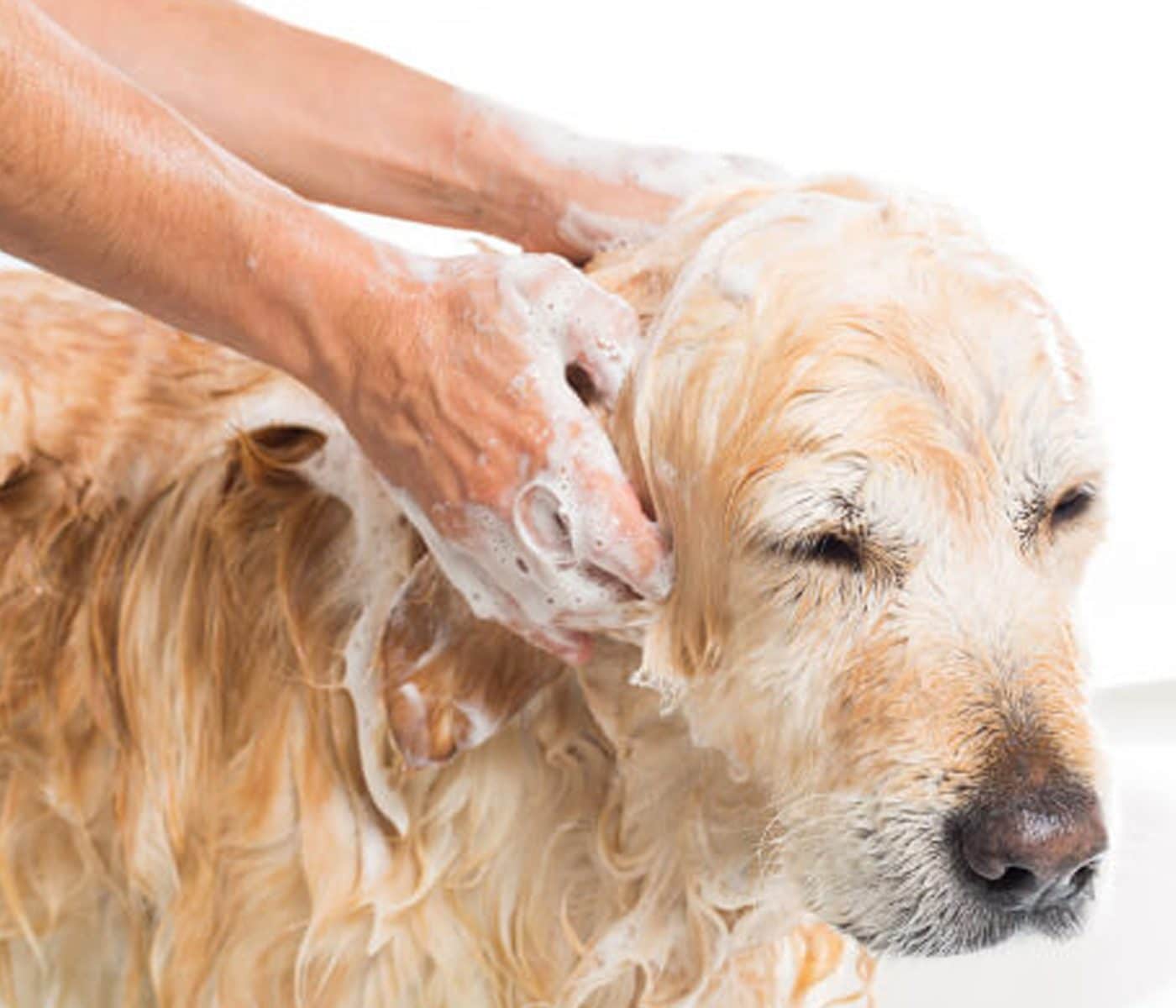
How to Wash a Dog Who Hates Plastic Tubs: Expert Tips and Tricks
Bath time can be a challenge for many dog owners—especially when your furry friend strongly dislikes the typical plastic tub. If your dog is anxious, fearful, or downright resistant to being bathed in a plastic basin, you’re not alone. Many dogs associate plastic tubs with discomfort, loud noises, or past bad experiences, making grooming a stressful ordeal for both pet and owner. But don’t worry—there are effective strategies to turn bath time into a more calming, less stressful experience for your dog.
In this article, we’ll explore how to wash a dog who hates plastic tubs by understanding their aversion, creating a safe environment, employing calming techniques, selecting suitable supplies, and making the process quick and gentle. Whether your dog is nervous, reactive, or just plain stubborn about baths, these expert tips can help you make bath time safer and more enjoyable for everyone involved.
Understanding Your Dog’s Aversion to Plastic Tubs and Identifying Underlying Causes
The first step in helping your dog tolerate bathing is understanding why they dislike plastic tubs in the first place. Many dogs develop an aversion due to previous negative experiences—such as slipping, loud noises, or uncomfortable sensations during bath time. Others may simply interpret the confined space as frightening or overwhelming. Recognizing these underlying causes can guide you in addressing their fears effectively.
Past Negative Experiences: Dogs that have been mishandled or experienced rough baths tend to associate the plastic tub with stress or pain. If your dog has been splashed unexpectedly or knocked over, they might develop a lasting fear of the bathing area. These associations can make future baths a source of anxiety, which is why patience and gentle handling are key.
Sensory Sensitivities and Environmental Factors: Some dogs are more sensitive to smells, sounds, or textures than others. The slick surface of plastic tubs might feel unnatural or uncomfortable, especially if your dog has joint issues or mobility challenges. Loud noises from running water or the sound of splashing can also trigger anxiety. Understanding your dog’s individual sensitivities allows you to tailor your approach to their comfort.
Behavioral and Breed Traits: Certain breeds or individual dogs are inherently more anxious or reactive to new stimuli. Rescue dogs, for example, may have a history of trauma that heightens their fear of baths. Recognizing these traits helps you set realistic expectations and develop a gradual, positive exposure plan that rebuilds trust and reduces fear.
Preparing a Comfortable and Safe Washing Environment for Nervous Dogs
Creating a calm, inviting environment is crucial when bathing a dog that hates plastic tubs. A well-prepared space minimizes anxiety and reduces the chances of accidents or injuries. Start by choosing a location that feels less intimidating—many owners find that the shower cubicle, laundry sink, or a portable grooming tub works better than a traditional plastic basin.
Designing a Calm Setting: Use a non-slip mat inside the bathing area to prevent slipping and provide stability. Dim the lights and reduce loud background noise, which can be startling. Placing familiar items like your dog’s favorite towel or a comforting toy nearby can help create a sense of security. If your dog has a favorite blanket or bed, consider bringing it into the bathing space to provide a familiar scent and tactile comfort.
Safety Precautions: Always supervise your dog closely during bath time to prevent slipping or panicking, especially if they are prone to jumping or trying to escape. Use lukewarm water—not too hot or cold—and keep the water level shallow to avoid overwhelming your dog. Keep the environment free of distractions and abrupt movements; calm, steady handling reassures your dog and helps them feel more in control.
Gradual Introduction: Before attempting a full bath, consider introducing your dog to the environment gradually. Let them sniff the area, offer treats, and associate the space with positive experiences. Short, frequent visits can desensitize your dog to the bathing process over time, turning it into a less intimidating routine.
Step-by-Step Techniques to Calm and Manage a Dog Who Dislikes Bathing
When your dog hates plastic tubs, taking a gentle, step-by-step approach is essential. Rushing or forcing the issue can escalate their fear, so patience and positive reinforcement are your best tools. Here’s a comprehensive method to help manage their bathing experience.
1. Use Positive Reinforcement: Before starting, gather plenty of treats, praise, and a calm voice. Reward your dog for calm behavior during all phases—approaching the tub, getting inside, and even just sniffing around. This creates a positive association with the bathing process.
2. Desensitization and Counter-Conditioning: Gradually introduce your dog to the tub without water at first. Place treats inside the empty tub to encourage exploration. Over time, reward calm behavior for stepping into or near the tub, gradually increasing exposure. Never force your dog into the tub; let them choose to approach it on their own.
3. Use Gentle Handling and Slow Movements: When ready to proceed, calmly pour water using a cup or sprayer with a gentle spray setting, avoiding loud or sudden noises. Speak softly and reassuringly throughout the process. If your dog becomes anxious, pause, and give them time to settle before continuing. Short, frequent baths are often more successful than long, draining sessions.
4. Keep the Experience Short and Positive: Limit each bath session to what your dog can handle comfortably—perhaps just a quick rinse or a few scrapes at first. End each session with a favorite toy or treat to reinforce positive feelings. Over time, their confidence in the bathing process will grow.
Choosing the Right Bathing Supplies and Accessories for Sensitive or Anxious Dogs
Selecting appropriate bathing supplies tailored to your dog’s sensitivity can significantly reduce their distress. Not all shampoos, brushes, or accessories are suitable for anxious or sensitive dogs, so understanding what to look for can make a big difference.
Gentle, Hypoallergenic Products: Use mild, veterinarian-recommended shampoos formulated for sensitive skin. Avoid products with strong fragrances, dyes, or harsh chemicals that can irritate or overwhelm your dog’s senses. Natural or organic options are often best for dogs with allergies or skin sensitivities.
Comfortable and Safe Accessories: Consider using a handheld showerhead with adjustable settings to control water flow and reduce noise. Non-slip mats inside the bathing area prevent slips and offer reassurance. Soft, wide-edged leashes or harnesses can help you gently control your dog’s movements without causing discomfort or restraint-related anxiety.
Calming Aids and Accessories: Some owners find that calming sprays, pheromone diffusers, or anxiety wraps (like Thundershirts) help reduce stress during bath time. Using a familiar blanket or towel in the bathing area can provide a sense of security. Always choose accessories that are safe, well-made, and suited to your dog’s size and temperament.
Tips for Making the Dog Washing Process Quick, Gentle, and Stress-Free
Efficiency combined with gentleness is key when bathing a dog that hates plastic tubs. A quick, calm process minimizes your dog’s exposure to stressors and reduces the likelihood of panic or resistance.
Plan Ahead and Gather Supplies: Before starting, organize all necessary items—shampoo, towels, treats, and tools—within arm’s reach. This preparation prevents delays or frantic searching mid-bath, which can increase your dog’s anxiety. Being organized also helps maintain a calm, steady pace.
Use a Gentle, Steady Technique: Keep water temperature consistent and avoid sudden splashes or loud noises. Use a soft voice and reassuring tone throughout the process. Be gentle when handling your dog’s ears, face, and paws, and avoid excessive scrubbing. Gentle massaging motions can help soothe your dog and promote a sense of calm.
Offer Rewards and Praise: Throughout the bath, intermittently praise your dog for remaining calm and offer treats for good behavior. After finishing, immediately reward them with affection, treats, or playtime. Positive reinforcement cements the idea that bath time leads to pleasant experiences, gradually reducing their resistance over time.
Conclusion
Bathing a dog who hates plastic tubs is undoubtedly challenging, but with patience, understanding, and the right approach, it can become a manageable—if not enjoyable—routine. By identifying the root causes of their aversion, creating a safe and calming environment, employing gentle and gradual techniques, choosing appropriate supplies, and maintaining a quick, positive process, you can transform bath time from a stressful ordeal into a bonding experience.
Remember, every dog is unique, and progress might take time. Consistency, patience, and lots of positive reinforcement are your best tools. If your dog’s fear or resistance persists despite your efforts, consulting a professional dog trainer or veterinarian experienced in behavioral issues can provide additional support. With these expert tips, you’re well on your way to making bath time safer, gentler, and even a little more enjoyable for your beloved pet.