


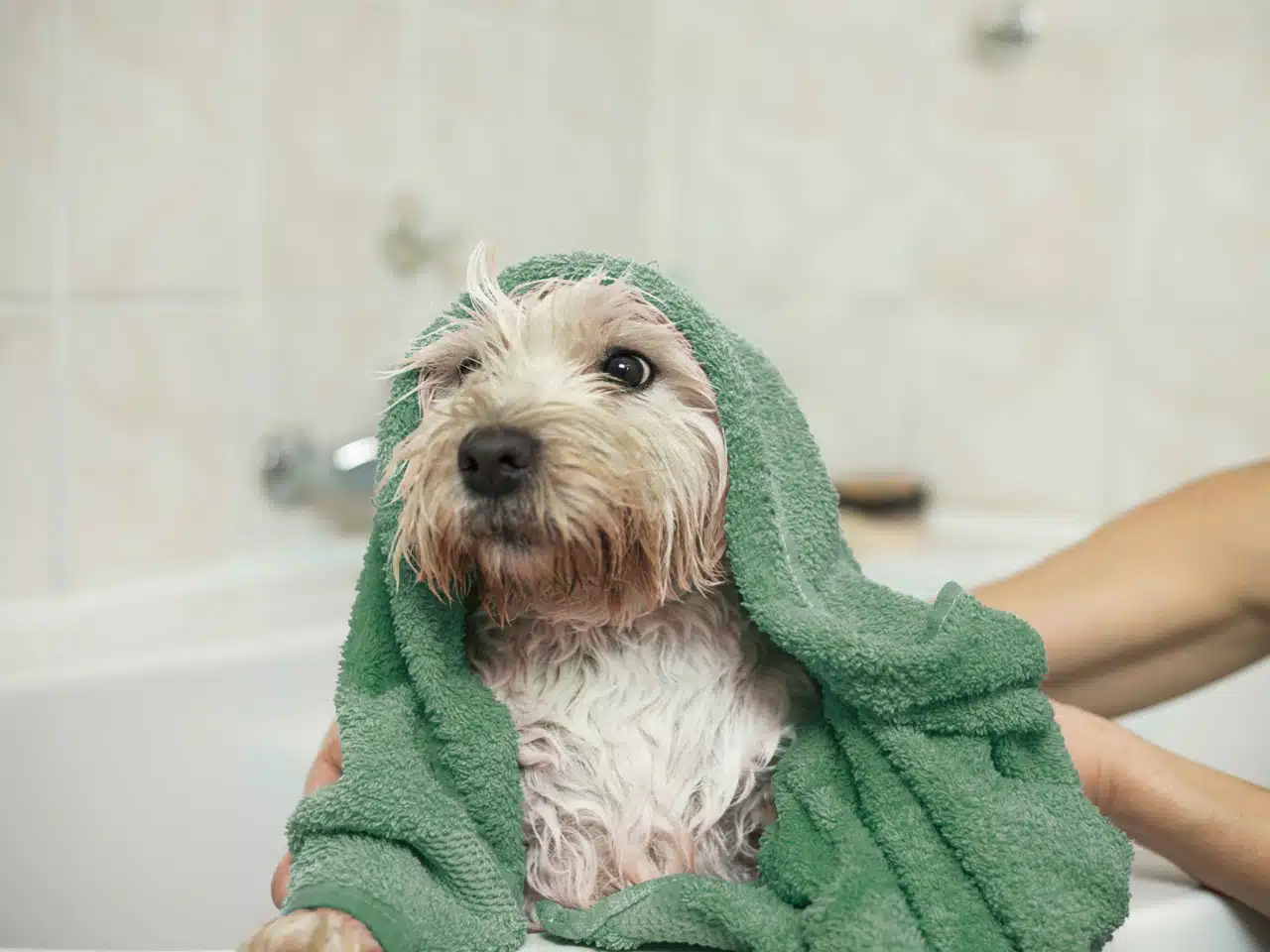
How to Wash a Dog Who Hates Wet Floors: Tips for a Stress-Free Bath
Giving your dog a bath can be a simple task—unless your furry friend is terrified of wet floors. Many dogs associate water and slippery surfaces with discomfort or even fear, which can turn bath time into a stressful ordeal for both pet and owner. If your dog pulls away, whines, or refuses to step into the bathing area because of wet floors, you’re not alone. The good news is, with some thoughtful planning and gentle techniques, you can make bathing a positive, less stressful experience. This article explores practical tips for selecting the right bathing setup, preparing your dog, minimizing wet floor anxiety, executing the bath step-by-step, and ensuring safety afterward. Whether your dog has had bad experiences or simply dislikes slippery surfaces, these strategies will help you turn bath time into a calmer, more manageable routine.
Selecting the Right Bathing Area and Equipment for a Dog Who Dislikes Wet Floors
The ideal bathing spot for a dog averse to wet floors should prioritize safety, comfort, and ease of access. Many pet owners find that a designated area with non-slip flooring works best—consider using a tub with textured surfaces or a dedicated grooming station that is designed to prevent slipping. If your bathroom floor is slippery or tile, adding rubber mats or anti-slip stickers can dramatically improve traction for your dog and prevent falls. Alternatively, a walk-in shower with a low threshold or a portable bathing tub placed on a sturdy, slip-resistant surface can make the process less intimidating.
Beyond location, choosing the right equipment plays a crucial role. A handheld showerhead allows for gentle, controlled rinsing without overwhelming your dog. Use dog-specific shampoos that are pH-balanced for their skin to avoid irritation. For dogs who dislike water, consider pre-soaking with a damp cloth or sponge before using the shower to ease them into the process. Additionally, using a calming mat or towel inside the bathing area can create a cozy environment and reduce anxiety. For added comfort and safety, equip the area with grooming grips or harnesses to gently secure your dog, giving both of you peace of mind during the bath.
Pro Tip: Avoid bathing your dog on slippery surfaces like shiny tiles or polished floors. Instead, create a designated "dog-friendly" bath zone with textured mats and secure footing. This minimizes the risk of slips and makes your dog feel more confident stepping into the space. Remember, every dog is different; some might prefer a walk-in shower, while others might do better with a portable tub or basin—choose what suits your pet’s size, temperament, and preferences.
Preparing Your Dog for a Stress-Free Bath Experience
Preparation is the cornerstone of a successful bath, especially for dogs who fear or dislike wet floors. Start by getting your dog accustomed to the bathing environment beforehand—let them explore the area freely, offering treats and praise to create positive associations. Gradually introduce your dog to the equipment, such as the showerhead or bathing tub, by allowing them to sniff and investigate at their own pace. This familiarization reduces surprise and helps build trust.
Before the bath, ensure your dog is thoroughly brushed to remove loose hair and mats that could trap water or cause discomfort. A calm, relaxed dog is easier to bathe, so consider engaging in a quick play session or cuddling beforehand to expend excess energy. Use calming aids like pheromone sprays or natural supplements if your dog experiences anxiety. It’s also wise to trim your dog’s nails prior to the bath to prevent scratching, and to gather all necessary supplies—shampoo, towels, and a brush—within arm’s reach to avoid unnecessary delays or stress during the process.
Finally, pay attention to your dog’s emotional state. If your pet is particularly anxious, try to create a soothing environment with soft background music or a familiar blanket in the bathing area. Keep your tone gentle and reassuring throughout the preparation phase. Remember: patience is key. A calm, prepared owner can significantly influence how your dog perceives the entire bathing experience, making it more manageable for both of you.
Techniques to Minimize Wet Floor Anxiety During Dog Baths
One of the biggest hurdles for dogs who dislike wet floors is the slippery surface itself. To help your dog feel more secure, use non-slip mats or textured pads in the bathing area. Placing these mats under the tub or on the floor where your dog will stand can provide extra grip and prevent slips, which might otherwise reinforce their fear of wet floors. When possible, position your dog on a raised, stable platform—such as a grooming table with rubber feet or a sturdy plastic basin—that keeps them off the wet or slippery ground.
Additionally, adopting a gentle, slow approach during the bath can significantly reduce anxiety. Speak in soothing tones, and keep movements smooth and predictable. Using a handheld showerhead on a gentle spray setting allows you to control water flow without startling your dog. Wet their paws and legs gradually, avoiding sudden splashes or rushing water, which can trigger panic. If your dog is especially sensitive, consider pre-soaking with a damp cloth or sponge to introduce water gradually, then follow with short, controlled rinses rather than full immersion.
Another effective technique is to incorporate positive reinforcement throughout the process. Reward your dog with treats, praise, or favorite toys after each step—whether it’s stepping onto the bathing area, getting rinsed, or staying calm during the wash. This reinforcement builds confidence and helps your dog associate bath time with positive experiences instead of fear. Over time, consistent, gentle handling and patience will reduce wet floor anxiety, transforming bath time into a calmer and more predictable routine.
Step-by-Step Guide to Washing Your Dog While Reducing Floor-Related Stress
-
Set Up and Calm Your Dog: Begin by placing your dog in the prepared bathing area with their favorite treats or toys nearby. Use calming pet-specific pheromone sprays or play soothing music to create a relaxing atmosphere.
-
Wet Gradually with a Damp Cloth: Instead of immersing your dog immediately, start by gently wiping their paws, legs, and body with a damp, lukewarm cloth. This gentle introduction to water helps ease their anxiety.
-
Use a Handheld Showerhead: Once your dog is comfortable, switch to a handheld showerhead set on a gentle spray. Rinse small sections at a time, starting from the paws and working upward. Keep the flow light and avoid high-pressure streams that can scare your dog.
-
Apply Shampoo Carefully: Lather the shampoo with gentle, circular motions, avoiding the face and ears unless your dog is accustomed to it. Use a sponge or cloth around sensitive areas if needed, and keep the environment calm with reassuring words.
-
Rinse Thoroughly: Repeat the gentle rinsing process, ensuring all shampoo is washed out. Residual shampoo can cause irritation, so patience during this step is essential.
-
Drying with Care: Once rinsed, gently towel dry your dog in a warm, draft-free space. Use multiple towels if necessary, and consider a pet-safe blow dryer on a low, cool setting if your dog tolerates it well. Always supervise to prevent burns or discomfort.
By following this step-by-step approach, you can turn what was once an anxious ordeal into a manageable, even pleasant experience for your dog. Patience, consistency, and positive reinforcement are the cornerstones of success.
Tips for Ensuring Comfort and Safety Post-Bath to Prevent Slip Hazards
After bathing, your dog’s safety is paramount, especially on potentially slippery floors. Immediately towel dry your dog thoroughly to remove excess water, which reduces the risk of slipping and keeps them warm. If your floors are still wet or slippery, consider using a non-slip mat or placing your dog on a dry, textured surface until they are fully dry. Reinforce the use of rubber mats or grooming grips in the bathing area to maintain traction and prevent falls.
Once your dog is dry and ready to move around, keep their environment safe by promptly drying the surrounding floor with a mop or towels. If necessary, restrict access to slippery areas until the floor is fully dry. For added security, attach a harness or use a slip-resistant leash to gently guide your dog around the house. Avoid rushing or leaving your dog unattended on slick surfaces, as even a quick slip can cause injuries or reinforce negative associations with baths.
Lastly, observe your dog for signs of discomfort or distress after the bath. Some dogs may experience nervousness or excitement, which can lead to slips or accidents. Providing a cozy space with their favorite blanket or bed, along with some post-bath treats, helps reinforce positive feelings. Regularly inspecting your home for hazards such as slick floors, loose rugs, or obstacles ensures your dog’s safety in the long run, making future baths less stressful and more secure.
Conclusion
Bathing a dog who hates wet floors can seem like a daunting task, but with patience, preparation, and the right techniques, it’s entirely achievable. Selecting an appropriate, slip-resistant bathing area and equipment creates a foundation of safety and comfort. Preparing your dog with gentle exposure and positive reinforcement reduces anxiety and builds trust. Employing techniques such as gradual wetting, controlled water flow, and positive rewards minimizes wet floor fears and helps your dog feel secure during the process. Finally, ensuring your pet’s safety with thorough drying and slip prevention measures protects them from injury and sets the stage for a stress-free future grooming routine.
Remember, every dog is unique. Tailoring your approach to your pet’s personality and comfort level will lead to better experiences for both of you. Over time, these strategies will not only make bath time easier but also strengthen your bond of trust and understanding. So next time your dog dreads wet floors, revisit these tips—your calm persistence and kindness can turn baths into a positive, bonding experience.