
How to Wash a Dog with Inconsistent Coat Growth: Tips for a Healthy Cleanse
Caring for a dog with inconsistent or uneven coat growth can feel like navigating uncharted territory. Some dogs develop thick, lush fur in certain areas while remaining patchy or sparse elsewhere. This uneven coat pattern might be due to breed characteristics, health issues, or hormonal imbalances. Regardless of the cause, maintaining a clean, healthy coat is essential for your dog’s comfort, skin health, and overall well-being. But washing a dog with irregular coat growth isn’t always straightforward—it requires a thoughtful approach to ensure you don’t cause discomfort or further coat issues.
In this article, we’ll explore how to effectively wash a dog with inconsistent coat growth, providing expert tips on preparing your dog, choosing suitable grooming products, and ensuring a safe bathing process. Whether your pup’s coat grows unevenly due to genetics, health conditions, or just natural variation, these insights will help you achieve a clean, healthy, and comfortable coat. So, let’s dive into the essentials of grooming dogs with patchy or irregular fur!
Understanding Inconsistent Coat Growth and Its Impact on Dog Grooming
Inconsistent or uneven coat growth in dogs can be caused by multiple factors, making grooming a unique challenge. Breeds like poodles, terriers, or mixed breeds often have varied coat textures that grow at different rates or densities across the body. Other times, irregular coat patterns are a sign of underlying health issues such as skin infections, allergies, hormonal imbalances (like hypothyroidism or Cushing’s disease), or nutritional deficiencies. Recognizing the root cause is crucial because it influences how you approach bathing and grooming.
The impact of inconsistent coat growth on grooming routines goes beyond aesthetics. Patches of sparse hair can leave the skin exposed to environmental elements, leading to increased irritation, dryness, or even infections if not properly cared for. Conversely, thick or matted fur in certain areas can trap dirt and moisture, creating a breeding ground for bacteria or fungi. Regular washing helps keep the skin clean and free of debris, but it must be tailored to the dog’s specific coat pattern and condition to avoid causing discomfort or damage.
Understanding your dog’s coat pattern also helps you set realistic expectations. Some areas may require more frequent or gentle cleansing, while others might need special attention to prevent matting or skin irritation. Consulting with a veterinarian or professional groomer can provide valuable insight into your dog’s unique coat type, helping you develop a grooming routine that supports healthy growth and minimizes discomfort. Overall, educating yourself about your dog’s coat will make the bathing process safer, more effective, and less stressful.
Preparing Your Dog and Grooming Area for a Safe and Effective Wash
Preparation is key when washing a dog with uneven coat growth. First, ensure your grooming area is clean, well-lit, and free of hazards. Use a non-slip mat in the bathing tub or sink to prevent your dog from slipping, especially if they’re anxious or unsteady. Gather all grooming supplies beforehand—shampoos, conditioners, towels, brushes, and any special grooming tools—so you’re not scrambling mid-bath, which could stress your dog.
Before the wash, give your dog a gentle brush to remove loose fur, dirt, and debris, especially in areas where the coat is dense or matted. Brushing also helps identify sensitive or irritated skin patches that may need special attention during the bath. If your dog is anxious, introduce positive reinforcement by offering treats or praise during preparation. Keep the environment calm and quiet, and speak softly to reassure your pet throughout the process.
It’s also wise to check the temperature of the bathing water—lukewarm water is ideal, as hot water can dry out the skin and exacerbate irritation, while cold water might be uncomfortable. For dogs with sensitive or patchy areas, consider using a handheld sprayer to control water flow and avoid unnecessary discomfort. Preparing your dog and grooming space ahead of time ensures a smoother, safer bathing experience, especially for dogs with irregular coat growth that may need a more gentle, attentive approach.
Selecting the Right Shampoo and Grooming Products for Uneven Coat Types
Choosing the appropriate grooming products is fundamental when caring for a dog with inconsistent coat growth. Not all shampoos are suitable for every coat type; some dogs may require gentle, hypoallergenic formulas if they have sensitive skin or skin conditions. For patchy or uneven coats, look for shampoos that are moisturizing, soothing, and free from harsh chemicals, parabens, or artificial fragrances. Ingredients like oatmeal, aloe vera, or chamomile can help calm irritated skin and promote healthy coat growth.
In addition to shampoo, consider using conditioners or leave-in sprays formulated for irregular or sensitive coats. These products can help detangle sparse patches, reduce static, and add moisture to dry or brittle fur. For dogs with specific skin issues, medicated shampoos prescribed by a veterinarian might be necessary to address underlying problems. Always follow the manufacturer’s instructions regarding dilution and application, and rinse thoroughly to prevent residue buildup that could cause irritation.
Finally, selecting grooming tools tailored to your dog’s coat pattern can make a difference. Soft-bristled brushes or grooming gloves are excellent for sensitive, patchy areas, while slicker brushes can help manage denser fur. Regularly replacing grooming products and tools ensures effective cleaning and reduces the risk of bacterial contamination. Taking the time to choose the right products will support your dog’s overall coat health and make the bathing process much more comfortable.
Step-by-Step Guide to Washing a Dog with Irregular Coat Growth
Washing a dog with uneven coat growth requires a gentle, systematic approach to ensure comfort and effective cleaning. Start by wetting your dog’s coat thoroughly with lukewarm water, paying special attention to areas with sparse or sensitive fur. Use a handheld sprayer or gentle pour to avoid startling your dog or causing discomfort in delicate patches. Avoid getting water directly into the ears, eyes, or nose, and consider using cotton balls to protect sensitive ear canals.
Next, apply a small amount of suitable shampoo, focusing on areas with dirt, debris, or irritation. For patches of sparse fur, use a light touch to avoid pulling or causing pain, and consider diluting the shampoo to make it easier to spread evenly across uneven areas. Gently massage the shampoo into the coat, ensuring you reach the skin beneath the fur without excessive scrubbing. Leave the shampoo on for a few minutes if necessary to allow it to work, but don’t overdo it—especially if your dog has sensitive skin.
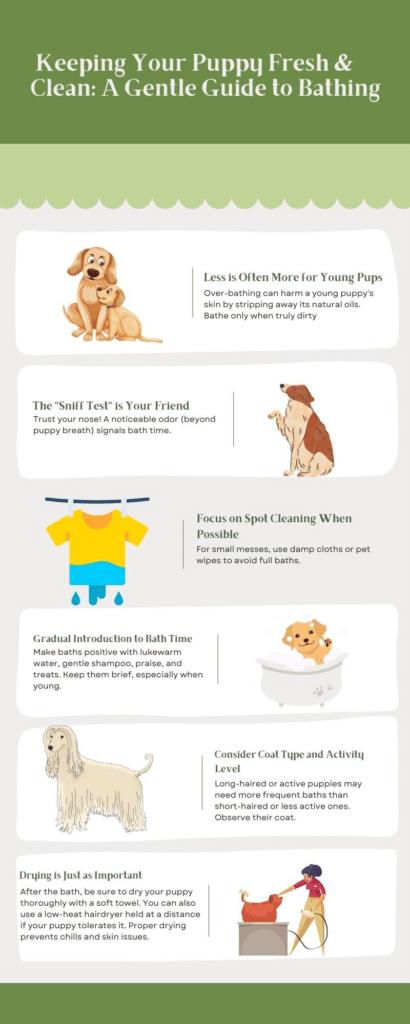
Rinse thoroughly with lukewarm water, making sure no residue remains, as leftover product can cause irritation or dryness. For patchy or sensitive areas, use a soft cloth or sponge for gentler cleaning. After rinsing, carefully dry your dog with a soft towel, patting rather than rubbing to prevent skin irritation. For dogs with uneven coats, air drying or using a low-heat blow dryer can help reduce moisture that might lead to skin issues. Following these steps will help you achieve a clean, happy dog with minimal stress or discomfort.
Post-Wash Care and Tips for Maintaining Healthy, Even Coat Growth
Once your dog is clean and dry, focus on post-wash care to support healthy coat growth and skin health. Regular brushing is essential, especially for dogs with uneven or patchy fur, as it helps distribute natural oils, remove loose hairs, and prevent mats. Use gentle brushes suited to your dog’s coat type—soft-bristled or grooming gloves work well for sensitive or sparse areas. Consistent grooming not only maintains coat health but also allows you to monitor skin conditions or early signs of irritation.
Feeding your dog a balanced, nutritious diet plays a vital role in promoting healthy coat growth. Nutrients like omega-3 and omega-6 fatty acids, zinc, and biotin are known to support skin health and fur development. Consult your veterinarian to determine if supplements are necessary or if adjustments in diet can help improve coat consistency over time. Additionally, keep your dog’s environment clean and free of irritants, as dust, pollen, or harsh chemicals can exacerbate skin issues or uneven fur growth.
Finally, schedule regular veterinary checkups to address underlying health concerns that could influence coat growth, such as hormonal imbalances or allergies. If patches of sparse or uneven coat persist, professional grooming or medical intervention may be necessary. Remember, patience and consistent care are key—healthy, even coat growth takes time, but with the right approach, your dog can enjoy a shiny, comfortable coat for years to come.
Conclusion
Caring for a dog with inconsistent coat growth might seem daunting at first, but understanding the unique needs of your pet is the first step toward effective grooming. From recognizing the causes of uneven coat patterns to selecting suitable products and creating a gentle washing routine, each aspect plays a crucial role in maintaining your dog’s health and comfort. Proper preparation, careful product choice, and attentive post-wash care can make all the difference in promoting a healthy, even coat.
By adopting these expert tips and tailoring your grooming routine to your dog’s specific coat pattern, you’ll not only improve their appearance but also enhance their overall well-being. Remember, every dog is different, and patience is key. If you’re ever unsure about your dog’s skin or coat health, don’t hesitate to seek advice from a veterinarian or professional groomer. With love, care, and the right approach, you can ensure your furry friend stays healthy, happy, and beautifully groomed—regardless of their coat growth pattern.