


How to Wash a Dog with Sensitive Skin: Gentle Tips for a Safe Clean
Caring for a dog with sensitive skin can sometimes feel like walking a tightrope — you want to keep them clean and comfortable without causing irritation or discomfort. Dogs with sensitive skin require a more delicate approach than their counterparts, involving thoughtful choices in grooming products and techniques that prioritize their skin health. Whether your furry friend suffers from allergies, dry patches, or irritation, knowing how to bathe them gently is essential for their well-being.
In this comprehensive guide, we’ll explore how to wash a dog with sensitive skin in a way that’s safe, soothing, and effective. From understanding their unique needs to selecting the right products and mastering gentle bathing techniques, you’ll find all the insights needed to keep your dog happy, healthy, and itch-free. Let’s dive into the world of gentle grooming — because every dog deserves a clean, comfortable coat.
Understanding the Needs of Dogs with Sensitive Skin
Dogs with sensitive skin require special attention because their skin tends to react more easily to environmental factors, allergens, or grooming products. Sensitivity can manifest as redness, itching, dryness, or even infections, which makes appropriate bathing practices crucial. Recognizing the unique characteristics of sensitive skin is the first step toward providing the best care.
One of the primary considerations is that sensitive skin often has a compromised barrier, making it more prone to irritation from harsh chemicals, fragrances, or abrasive scrubbing. These dogs may also be more susceptible to allergies caused by pollen, dust mites, or certain foods, which can exacerbate skin problems. Understanding these triggers helps you tailor your grooming routine to minimize discomfort and prevent flare-ups.
Additionally, not all dogs with sensitive skin have the same needs. Some may have underlying conditions such as dermatitis, which requires veterinary guidance, while others might simply have naturally delicate skin. It’s important to observe your dog’s skin regularly — look for signs of irritation, excessive scratching, or flaky patches. Consulting your veterinarian can help determine the root cause and the best bathing strategies tailored specifically to your pet. Remember, patience and gentle handling are key when caring for a dog with sensitive skin.
Selecting the Right Gentle and Hypoallergenic Dog Shampoo
Choosing the correct shampoo is arguably the most critical step when bathing a dog with sensitive skin. Many commercial shampoos contain harsh detergents, artificial fragrances, or alcohols that can strip natural oils and further irritate delicate skin. Therefore, opting for a gentle, hypoallergenic, and moisturizing dog shampoo should be your priority.
Look for products that are specially formulated for sensitive skin. These shampoos typically have mild surfactants such as oatmeal, aloe vera, chamomile, or coconut oil, which soothe and nourish the skin without causing irritation. An often-overlooked detail is the pH level of the shampoo — it should be close to your dog’s natural skin pH (around 6.2 to 7.4) to maintain skin barrier integrity. Always check labels for "hypoallergenic" and "dermatologist-tested" claims, which indicate suitability for sensitive skin.
Another important consideration is avoiding shampoos with artificial fragrances, dyes, or harsh preservatives, as these can trigger allergic reactions. Natural, fragrance-free formulas tend to be gentler and safer. If your dog has specific skin conditions, consult your veterinarian for recommendations on medicated shampoos or special formulations that contain ingredients like colloidal oatmeal or medicated agents. Investing in the right shampoo not only cleans your dog effectively but also helps maintain a healthy, itch-free coat — vital for dogs with sensitive skin.
Preparing Your Dog and Environment for a Gentle Wash
Proper preparation before bathing can make the process smoother and more comfortable for your dog. Start by choosing a calm, quiet environment where your dog feels safe and secure. Gather all bathing supplies such as shampoo, towels, a gentle brush, and a non-slip mat — having everything ready minimizes stress and allows you to focus on your dog during the bath.
Brushing your dog thoroughly before the bath helps remove loose hair, dirt, and debris, reducing the need for excessive scrubbing that could irritate sensitive skin. Use a soft-bristled brush or a grooming glove designed for delicate skin. Additionally, inspecting your dog’s skin for any abnormalities, such as wounds or sore spots, ensures you can avoid aggravating these areas during bathing.
Temperature control is crucial — ensure the water is lukewarm, not hot, as hot water can strip natural oils and cause dryness or irritation. Test the water temperature with your wrist or elbow to make sure it’s comfortable. Also, consider using a handheld spray or gentle stream to wet your dog, rather than a high-pressure hose, which can be startling and harsh on sensitive skin. Creating a calm, soothing environment will help your dog relax, making the whole bathing process more effective and less stressful.
Step-by-Step Guide to Bathing a Dog with Sensitive Skin
Having prepared your space and gathered your supplies, follow these gentle steps to give your dog a safe, soothing bath:
-
Wet the Coat Gently: Using lukewarm water, start by lightly wetting your dog’s coat, avoiding the face and ears. Use a cup or a gentle spray to control the water flow, ensuring minimal disruption and discomfort.
-
Apply the Shampoo Carefully: Dilute the gentle shampoo with water if recommended, and then apply a small amount to your hands or directly onto your dog’s coat. Massage it into the skin with soft, circular motions, focusing on areas that are particularly dirty or itchy. Be gentle around sensitive spots to prevent irritation.
-
Rinse Thoroughly: Rinse your dog completely with lukewarm water, making sure no shampoo residue remains, as leftover product can cause dryness or itching. Pay special attention to the folds or areas where shampoo can hide, such as behind ears or under the collar.
-
Dry with Care: Towel-dry your dog gently, absorbing excess water without rubbing harshly. For drying, consider using a blow dryer on the lowest heat setting, held at a safe distance, to gently remove remaining dampness. Keep the environment warm to prevent your dog from getting chilled.
-
Post-Bath Comfort: Once dry, apply a natural conditioner or soothing spray if recommended by your vet. Brush your dog’s coat to remove any remaining loose hair and to keep the skin healthy. Praise your dog throughout the process to reinforce a positive experience.
Following this step-by-step routine ensures your dog’s sensitive skin is treated with care, reducing the risk of irritation and promoting a healthy, shiny coat.
After-Bath Care and Tips to Maintain Healthy, Sensitive Skin
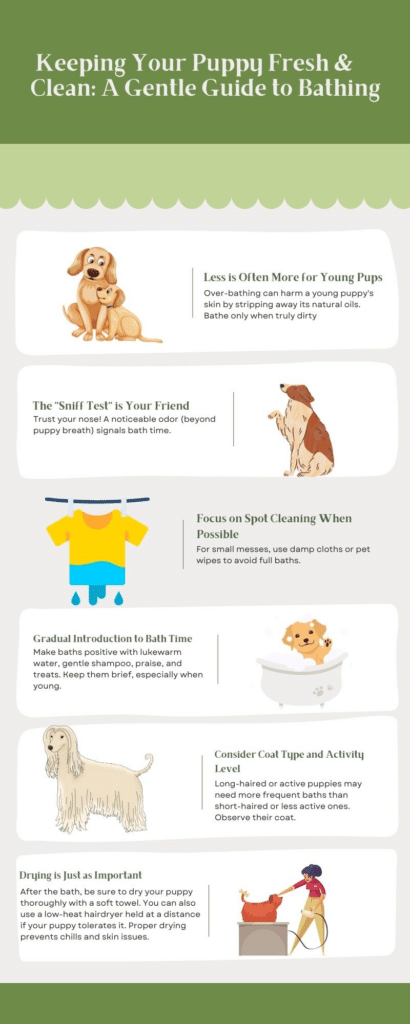
Proper after-bath care plays a significant role in maintaining your dog’s skin health. Immediately after bathing, ensure your dog is thoroughly dried to prevent dampness, which can promote bacterial or yeast growth and worsen skin issues. Using a soft towel and a low-heat blow dryer helps keep the coat dry and comfortable.
Maintaining a regular grooming schedule, including gentle brushing, can help distribute natural oils evenly across the skin, keeping it moisturized and reducing itchiness. Use hypoallergenic grooming wipes or sprays in between baths to keep the coat fresh without unnecessary washing, especially if your dog is prone to dry patches. Additionally, ensure your dog’s diet includes essential fatty acids like omega-3 and omega-6, which are known to support healthy skin and coat from within.
Lastly, monitor your dog’s skin condition regularly and consult your veterinarian if you notice persistent redness, hair loss, or discomfort. Avoid over-bathing, as excessive washing can strip away natural oils, leading to dryness and irritation. Instead, aim for baths every 4 to 6 weeks unless otherwise advised by your vet. Incorporating these tips into your routine will help maintain your dog’s sensitive skin in a healthy, balanced state, making bath time a positive experience for both of you.
In Conclusion
Caring for a dog with sensitive skin requires patience, gentle products, and a thoughtful approach to bathing. By understanding your dog’s unique needs, choosing hypoallergenic shampoos, preparing the environment carefully, and following a gentle bathing routine, you can keep your furry friend clean and comfortable without causing irritation. Remember, consistent after-bath care and a balanced diet are vital for maintaining healthy, sensitive skin over the long term.
Grooming doesn’t have to be stressful — with the right techniques and a little patience, you can transform bath time into a calming, bonding experience. Your dog’s delicate skin deserves this extra attention, and your efforts will pay off in a happier, healthier coat free from itchiness or discomfort. So next time you give your dog a bath, do it with love, care, and the gentle tips outlined above — because every dog deserves to feel safe and comfortable in their skin.