

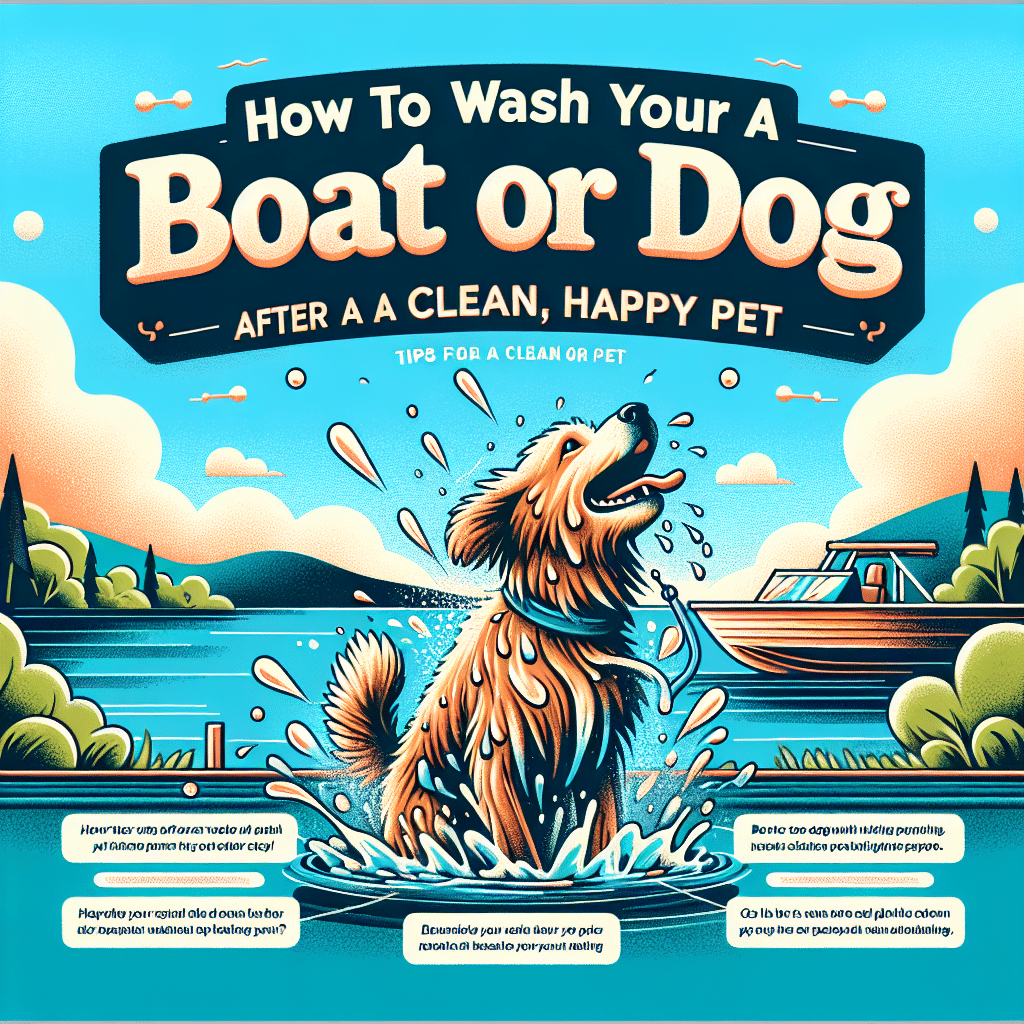
How to Wash Your Dog After a Boat or Lake Trip: Tips for a Clean, Happy Pet
Spending time on a boat or at the lake is a fantastic way to bond with your furry friend, enjoy outdoor adventures, and cool off during warm weather. But after those fun-filled water escapades, your dog is likely to be covered in salt, dirt, algae, or lake residue—none of which is good for their skin or coat. Properly cleaning your dog post-water trip isn’t just about keeping them looking good; it’s essential for their health, comfort, and happiness. In this article, we’ll walk you through the step-by-step process of washing your dog after a lake or boat trip, offering practical tips and expert advice to make the experience smooth, safe, and effective.
Whether you’re a seasoned pet owner or new to water adventures, understanding how to properly clean your dog afterwards ensures they stay comfortable, healthy, and ready for their next outing. From gathering the right supplies to preventive measures for future trips, we aim to help you become the ultimate water adventure clean-up pro. Let’s dive into the details!
Preparing for the Post-Trip Dog Wash: Gathering Supplies and Setting Up
Before you even step into the bathing area with your dog, preparation is key to making the process easy and stress-free. Start by collecting all necessary supplies beforehand—this saves time and prevents last-minute scrambling, especially if your dog is eager to shake off or escape. Essential items include a gentle dog shampoo that suits your pet’s coat type, a large towel or drying mat, a brush or comb, and possibly a spray nozzle or hand-held shower head with adjustable settings. Some pet owners also prefer using a grooming glove or a rinse-free waterless shampoo for quick cleanup.
Creating a comfortable, safe environment is equally important. If you’re washing your dog indoors, choose a space with non-slip flooring to prevent slips and accidents—bathtubs with rubber mats work well. For outdoor setups, a sturdy, elevated tub or a designated outdoor bathing station can be ideal, especially during warmer months. Make sure the water temperature is lukewarm—hot water can irritate sensitive skin, while cold water might make your dog anxious or uncomfortable. Keep a few treats handy to reward your dog during and after the bath, making the experience more positive. Additionally, having a helper or a friend to assist can ease handling especially larger or more energetic dogs.
Finally, consider the weather and timing. Post-boat or lake trips often happen during warm weather, making outdoor baths more feasible and comfortable. However, if the weather is cold or rainy, indoor bathing is preferable to prevent your dog from getting chilled. Preparing in advance ensures a smoother, less stressful cleaning process, which is beneficial for both you and your pet. Remember, patience and calmness are your best tools—approach the task with a relaxed attitude to help your dog stay calm and cooperative.
Rinsing Off Salts, Dirt, and Lake Residue to Protect Skin and Coat
Once your dog is safely in the bathing area, the first step is thorough rinsing to remove all the contaminants accumulated during the lake or boat trip. Saltwater, lake minerals, algae, and dirt can cling to your dog’s coat and skin, which might lead to irritation, dryness, or even infections if left unwashed. Use lukewarm water and a gentle spray or shower head to rinse from the head down, ensuring that all areas—especially the belly, paws, and underarms—are well-flushed. Take extra care around the ears, eyes, and nose; avoid direct water contact in sensitive areas to prevent discomfort.
During rinsing, it’s helpful to gently massage the coat to loosen stuck debris and salt crystals. This not only makes shampooing more effective but also stimulates blood circulation and helps your dog relax. For dogs with thick or double coats, a thorough rinse can take several minutes, ensuring no residue remains in the undercoat where dirt and salt can hide. If your dog is particularly dirty or has been submerged in algae or mud, you might need to repeat the rinsing process or pre-wash with waterless shampoos or wipes for a quick cleanup beforehand. Remember, the goal is to remove as much of the harmful residues as possible to prevent skin irritation and coat matting.
Proper rinsing also helps to reduce the osmotic imbalance caused by salt and minerals, which can dry out your dog’s skin and coat. If your dog has sensitive skin or allergies, consider using a rinse that contains soothing ingredients like oatmeal or aloe vera, which can help calm irritation. Once thoroughly rinsed, gently pat your dog dry with a towel to remove excess water and prepare them for shampooing. Rinsing well is a crucial step that sets the foundation for a clean, healthy coat, so don’t rush through it!
Using Appropriate Dog-Friendly Shampoo and Care Products
Choosing the right shampoo is vital for maintaining your dog’s skin health and coat quality after a water adventure. Look for dog-specific shampoos formulated for sensitive or normal skin, preferably free of harsh chemicals, artificial fragrances, and dyes. For dogs with skin conditions or allergies, a medicated or hypoallergenic shampoo recommended by your veterinarian can provide extra care. If your dog spent time in saltwater or algae-rich waters, consider using a desalinizing or detoxifying shampoo designed to neutralize salt and impurities while restoring the skin’s natural oils.
When applying shampoo, start by lathering from the neck down, working your way towards the tail and legs. Use your hands or a grooming mitt to massage the product gently into the coat and skin, ensuring you cover all areas, including the paws, underbelly, and around the ears. A good rule of thumb is to let the shampoo sit for a few minutes if it contains soothing or medicated ingredients, to allow it to work effectively. Avoid getting shampoo in your dog’s eyes, ears, or mouth; instead, use a damp cloth to clean delicate facial areas carefully. Rinsing thoroughly is equally important—residual shampoo can cause dryness or irritation, so spend extra time ensuring all product is rinsed out completely.
Post-bath care products can further enhance your dog’s comfort. Conditioners or coat sprays formulated specifically for dogs can help detangle and add a protective layer to the coat, making brushing easier later on. For dogs prone to dry skin, adding a few drops of dog-safe oatmeal or coconut oil to the rinse can provide extra hydration. Remember, a well-chosen shampoo tailored to your dog’s specific needs not only cleans more effectively but also keeps their skin balanced, preventing problems like itching, flaking, or infections. This careful approach ensures your water-loving pup stays clean, comfortable, and healthy after every lake or boat trip.
Thoroughly Drying and Brushing to Maintain Coat Health and Comfort
After rinsing and shampooing, drying your dog carefully is essential to prevent skin issues and coat matting, especially in cooler weather. Start by gently squeezing out excess water with your hands, then wrap your dog in a clean, absorbent towel or a microfiber cloth to blot and absorb remaining moisture. For dogs with longer or thicker coats, a high-velocity dryer on a low, cool setting can speed up the drying process while minimizing discomfort. Always keep the dryer moving to avoid concentrating heat on one area, and maintain a safe distance to prevent burning or overheating. Many dogs find the sound of blow dryers intimidating, so introducing your pet gradually and offering treats can help them associate the noise with positive experiences.
Once your dog is mostly dry, regular brushing is critical to prevent mats, promote coat health, and distribute natural oils. Use a brush suitable for your dog’s coat type—slicker brushes for long-haired breeds, rubber curry brushes for shedding, or a deshedding tool for thick coats. Brush gently but thoroughly, paying attention to areas prone to tangling, such as behind the ears, under the collar, and hind legs. Brushing also helps remove loose fur and any remaining debris, keeping the coat smooth and shiny. For dogs with sensitive skin, be gentle and watch for signs of irritation—stop if your dog shows discomfort and consider using a detangling spray for easier brushing.
Drying and brushing after every water trip also provide an excellent opportunity to check for skin abnormalities, cuts, or infections that might have gone unnoticed during the water activity. Proper grooming reinforces a healthy coat and skin, making your dog not only look good but also feel comfortable. Additionally, a clean and well-maintained coat can reduce shedding and keep your home cleaner. By establishing a routine of thorough drying and grooming post-water adventures, you’re investing in your dog’s long-term health and happiness.
Preventive Tips for Future Water Adventures to Keep Your Dog Clean and Healthy
Prevention is always better than cure, especially when it comes to keeping your water-loving dog healthy after lake or boat trips. First, consider using protective gear like doggy life jackets that come with built-in harnesses or flotation devices to keep your dog safe and reduce the amount of water and debris they pick up. Some pet owners also use waterproof or water-resistant coats to minimize excessive water absorption, especially in colder weather. These coats can help keep your dog relatively dry and warm, reducing the cleanup needed afterward.
Regular grooming and coat maintenance are also vital for water excursions. Brushing your dog thoroughly before heading out can remove loose fur, dirt, and debris, reducing what they carry back home. After the trip, maintaining a routine of rinsing and washing ensures that salt, algae, and mud don’t cause long-term skin or coat problems. Additionally, rinsing your dog’s paws and underbelly immediately after water activities can prevent the spread of bacteria or fungi and reduce the risk of skin infections. Having a dedicated outdoor or water-gear-specific grooming station can streamline this process and make cleanup easier.
Lastly, establishing a post-water trip routine with specific steps—like rinsing, shampooing, and drying—helps reinforce good hygiene habits. Providing fresh water and a quick snack after the adventure can also help your dog relax and recover. Keeping an eye on your dog’s skin and coat health over time, and consulting your veterinarian for personalized advice, ensures your pet remains happy, healthy, and ready for more water fun without the worry of lingering dirt or health issues. Prevention, combined with proper cleaning, makes every water adventure more enjoyable for both of you.
In Conclusion
Cleaning your dog after a boat or lake trip might seem like a chore, but it’s an essential part of responsible pet ownership that protects your dog’s health and ensures their comfort and happiness. From preparing the right supplies and environment to thorough rinsing, using suitable care products, and proper drying and grooming, each step plays a vital role in maintaining your dog’s coat and skin health. Additionally, implementing preventive measures before your water adventures can make cleanup quicker and easier in the long run.
Remember, every water trip is an opportunity to strengthen your bond with your pet—not just through play but also through caring for their well-being. With patience, the right techniques, and a little extra effort, you can keep your dog clean, healthy, and happy—ready to splash and explore again and again. So gear up for your next adventure, knowing that your cleanup routine will keep your furry friend looking and feeling their best!