


Friday, December 26, 2025
iClean Dog Wash - Add a Profit Center to Your Business
Home How-To & GuidesHow to Wash Your Dog After a Muddy Walk: Tips for a Clean, Happy Pet

How to Wash Your Dog After a Muddy Walk: Tips for a Clean, Happy Pet

by admin
0 comments
Home Health & Skin CareHow to Wash Your Dog After a Muddy Walk: Tips for a Clean, Happy Pet

How to Wash Your Dog After a Muddy Walk: Tips for a Clean, Happy Pet

by admin
0 comments

How to Wash Your Dog After a Muddy Walk: Tips for a Clean, Happy Pet

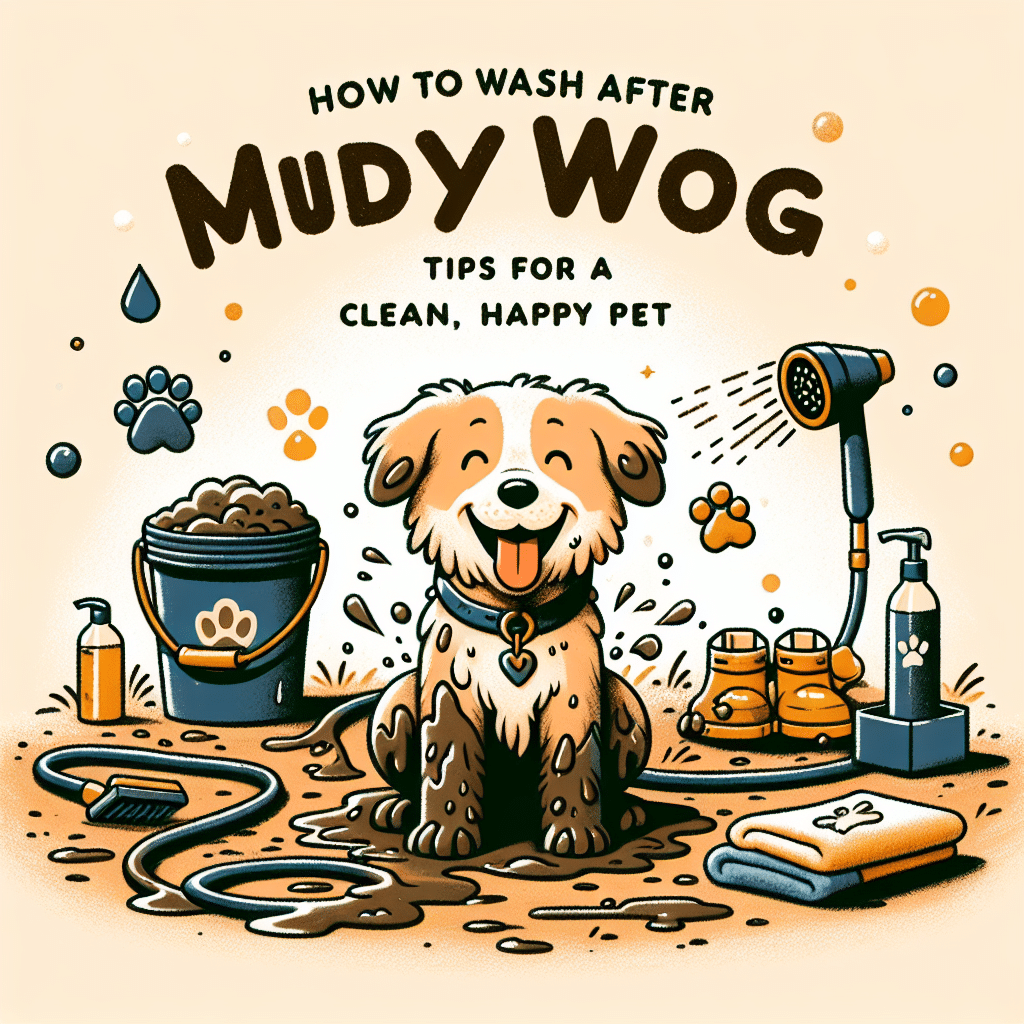
Taking your dog on outdoor adventures is one of the joys of pet ownership — exploring muddy trails, rolling in grass, or splashing through puddles. However, all these fun activities come with a messy side: a muddy, dirt-covered dog that needs a thorough clean-up. Properly washing your dog after a muddy walk not only keeps your home clean but also promotes your pet’s health, comfort, and happiness. In this guide, we’ll walk you through everything you need to know, from preparing your bathing area to preventative tips for future outdoor fun. Whether you’re a first-time dog owner or a seasoned one, these insights will help you make bath time easier and more enjoyable for both you and your furry friend.


Preparing the Bathing Area and Gathering Supplies for Dog Washing

Before even lifting your muddy dog into the bath, the first step is to set up a safe, comfortable, and well-equipped area for washing. An ideal space is a bathtub, a walk-in shower, or a dedicated outdoor tub — depending on your dog’s size and your living situation. Make sure the area is slip-proof; placing a non-slip mat under your dog can prevent slips and injuries during bath time. If you’re bathing your dog outside, choose a shaded spot to avoid direct sunlight, which can make your pet uncomfortable or cause overheating.

Gather all necessary supplies beforehand to prevent unnecessary stress during the process. Essential items include dog-specific shampoo (preferably one formulated for muddy or dirty coats), towels, a brush or comb, a cup or spray nozzle for rinsing, and possibly pet-safe wipes for quick clean-ups. Having these items within arm’s reach ensures you can focus on your dog, rather than scrambling for supplies mid-bath. Additionally, consider using a leash or a grooming harness to gently secure your dog, especially if they are nervous or tend to jump around. Preparing all your tools in advance makes the experience smoother, less stressful, and more efficient for both of you.

Lastly, make sure the water temperature is lukewarm — not too hot or cold — to keep your dog comfortable. Test the water with your wrist or elbow before starting; dogs have sensitive skin, and the right temperature can make a big difference in how they tolerate bath time. Also, keep a supply of treats handy to reward good behavior, turning bath time into a positive experience. Preparing your space and supplies thoroughly is the foundation of a successful, stress-free muddy dog wash.


Safely Removing Excess Mud and Debris from Your Dog’s Coat

Before plunging your dog into water, it’s best to remove as much loose mud and debris as possible. Start by gently brushing or wiping your dog’s coat with a rubber glove or a damp cloth. This helps loosen dried mud, grass, or small twigs, preventing them from making the bath more chaotic and reducing the amount of dirt that ends up in your bathing water. For dogs with thick or long coats, a slicker brush or a shedding rake can be especially effective for lifting dirt away without causing discomfort.

If your dog is comfortable, you might also consider rinsing off some of the mud using a handheld spray or a cup. Use lukewarm water and start at the paws and legs, gradually moving upward. This initial rinse clears away surface dirt and prevents it from spreading deeper into the coat during washing. Be gentle, especially around sensitive areas like the face and ears, and avoid getting water directly into the dog’s eyes or ears. For stubborn mud patches, a soft cloth or sponge can help lift dirt without causing distress.

In cases where mud is deeply embedded or caked onto the coat, patience is key. Allowing the mud to soften slightly with a light rinse can make removal easier; avoid scrubbing harshly, which can irritate your dog’s skin or cause discomfort. If your dog is particularly anxious or uncooperative, taking small, gentle steps to remove debris gradually can help build positive associations with bath time. Removing excess mud and debris effectively sets the stage for a cleaner, more comfortable wash — making the entire process more manageable and less stressful for everyone involved.


Step-by-Step Guide to Washing Your Dog After a Muddy Walk

Once the excess debris is out of the way, it’s time to give your dog a thorough shampooing. Start by wetting your dog’s coat completely with lukewarm water, ensuring water reaches all areas — from the paws and legs to the body and underbelly. Use a gentle stream or a cup for controlled rinsing, taking care around the face, ears, and eyes. Properly soaking the coat ensures the shampoo can do its job effectively, penetrating the fur and reaching the skin for a deep clean.

Apply a dog-specific shampoo, which is formulated to be gentle on their skin and coat. Lather thoroughly, paying attention to areas that tend to trap dirt and mud, such as the armpits, around the neck, and behind the ears. Use your hands or a soft brush to work the shampoo into the coat, massaging gently to help loosen dirt and promote circulation. Avoid using human shampoos, as they can strip essential oils or cause skin irritation. For particularly muddy or greasy areas, you might need to shampoo twice for a comprehensive clean.

Once your dog is fully lathered, rinse thoroughly to remove all soap residue. Residual shampoo can cause dryness or itching, so take your time with the rinsing process. Use lukewarm water and ensure no soap remains, especially around sensitive areas like the face, ears, and groin. After rinsing, check your dog’s skin for any signs of irritation or leftover dirt. If needed, repeat the shampooing process on heavily soiled spots. Proper washing is the key to a clean, healthy coat that looks shiny and feels soft, while also minimizing the risk of skin issues down the line.


Drying and Grooming Tips for a Clean and Comfortable Dog

Drying your dog properly after a muddy wash is essential to prevent skin irritation and keep them comfortable. Towels are usually enough to start the drying process; gently blot your dog’s coat to remove excess water without rubbing, which can cause tangles or discomfort. For dogs with thick or long hair, using multiple towels or even a microfiber cloth can help absorb moisture more effectively. If your dog tolerates it, a blow dryer on a cool or low heat setting can speed up drying, especially in colder weather, but always keep the dryer moving to avoid overheating any part of their skin.

Once your dog is dry, grooming is the next vital step. Regular brushing not only keeps coats looking their best but also distributes natural oils, promoting healthy, shiny fur. For long-haired breeds, a thorough brush with a slicker or comb can prevent mats and tangles. Short-haired dogs benefit from less frequent brushing but still need regular grooming to remove loose fur, dirt, and debris. This is also a good time to check your dog’s skin for any signs of irritation, parasites, or cuts that might need attention. Grooming after a bath is an excellent opportunity to bond with your pet while keeping them comfortable and looking their best.

Finally, consider trimming any matted fur, especially around sensitive areas like the paws, face, and underbelly. Shortening long hair can help keep your dog cleaner in the future and make subsequent baths easier. Applying a dog-safe conditioner or coat spray can also add a layer of protection and shine, making grooming easier and your dog’s coat softer. A well-dried, groomed dog not only looks adorable but feels comfortable and happy, which makes bath time a more positive experience for everyone.


Preventative Measures and Tips for Keeping Your Dog Cleaner During Future Outings

The best way to reduce the cleaning burden after muddy walks is to take preventative steps before and during outdoor adventures. Investing in a waterproof or water-resistant dog coat can help keep your pet’s body cleaner and dry, especially during rainy or muddy conditions. Additionally, using booties or protective paw wax can minimize mud and dirt from sticking to your dog’s paws, making post-walk cleaning much easier. Planning your route to avoid overly muddy or wet areas can also be beneficial — sometimes a little route shift makes a big difference in keeping your dog cleaner.

During walks, try to supervise and limit your dog’s exploration in particularly muddy or wet spots. Bringing along a towel or pet wipes allows you to wipe down your dog’s paws and coat periodically, preventing mud from building up excessively. If your dog enjoys rolling or digging, redirect their attention to other activities or provide a designated area for them to indulge safely. Additionally, training your dog to wait patiently while you wipe or brush them during the walk can help maintain control and keep the process quick and stress-free.

Post-walk routines are equally important. Rinsing or wiping your dog’s paws and coat immediately after returning home can prevent mud from spreading inside your house. Regular grooming and coat maintenance also help your dog shed loose hair and dirt more easily, reducing the amount of cleaning needed after outdoor adventures. Ultimately, a combination of preventive gear, mindful outdoor activity choices, and quick post-walk cleanup will keep your dog cleaner, happier, and healthier — plus, it makes bath days far less daunting.


Conclusion

Cleaning your dog after a muddy walk doesn’t have to be a chore — with proper preparation, gentle techniques, and proactive habits, bath time can become a positive experience for both of you. Starting with a well-organized bathing area and gathering supplies sets the stage for success. Removing excess mud and debris beforehand reduces mess and discomfort, while a step-by-step washing process ensures a thorough clean that’s gentle on your dog’s skin. Proper drying and grooming not only keep your pet comfortable but also promote a shiny, healthy coat.

Remember, prevention is key. Using protective gear, managing outdoor routes, and establishing quick post-walk routines can significantly reduce the amount of mud and dirt your dog accumulates. With patience, consistency, and a little bit of effort, you’ll keep your pet clean, happy, and ready for their next outdoor adventure. A clean dog is a happy dog — and happier pet owners, too. So next time your four-legged friend gets muddy, you’ll be prepared to give them the best bath ever!

You may also like

How to Wash Your Dog After a Muddy Walk: Tips for a Clean, Happy Pet

Taking your dog out for a walk is one of life’s simple pleasures—exploring nature, getting some exercise, and sharing quality time with your furry friend. But after a muddy adventure, the fun can quickly turn into a bit of a mess. Muddy paws, coated fur, and dirt-covered ears are common outcomes of outdoor play, and cleaning your dog properly is essential for their health, comfort, and happiness. The good news is, with the right preparation and technique, washing your dog after a muddy walk can be a straightforward, stress-free experience for both of you. This article offers practical tips and a step-by-step guide to help you keep your pet clean, comfortable, and joyful after those muddy escapades.

Whether you’re a seasoned dog owner or new to pet care, knowing how to effectively clean your dog after a muddy walk ensures your pet stays healthy and eliminates worries about dirt accumulation or skin issues. Plus, establishing a routine for post-walk baths can turn what might seem like a chore into a bonding moment. So, let’s dive into how you can prepare your dog and your washing area, gather supplies, follow a simple cleaning process, and implement preventive measures to keep future muddy messes at bay.


Preparing Your Dog and Washing Area for a Muddy Encounter

Before heading out on a muddy walk, it’s a good idea to mentally prepare both yourself and your dog for the inevitable cleanup afterward. Dogs, especially those with thick coats or high energy levels, may get excited or anxious about bath time, so creating a calm, reassuring environment is key. Use positive reinforcement techniques—like treats or soothing words—to help your pup associate cleaning with a pleasant experience. If your dog is nervous about baths, start with short, gentle sessions and gradually increase their comfort level with water.

Equally important is preparing the washing area in advance. Ideally, choose a space that’s easy to clean, such as a utility sink, shower, or tub. If working outside, set up a hose with adjustable water flow and ensure there’s enough space for your dog to stand comfortably. Lay down non-slip mats or towels to prevent slipping and make your dog feel more secure. Keep all your supplies nearby—like towels, brushes, and cleaning products—to make the process seamless and avoid leaving your pet unattended during the wash.

Additionally, consider weather conditions. If it’s cold outside, washing indoors prevents your dog from becoming chilled. Conversely, a warm, sunny day is perfect for a quick outdoor rinse. Always have a plan to keep your dog warm and dry after the bath, especially during colder months. Preparing thoroughly can make the muddy walk cleanup more manageable and less stressful for everyone involved, turning an inevitable mess into a positive grooming experience.


Gathering Supplies and Setting Up for a Safe, Efficient Dog Wash

Efficiency during your dog’s post-muddy walk depends largely on having the right supplies within arm’s reach. Essential items include a gentle dog-specific shampoo—preferably one formulated for your dog’s coat type and skin sensitivity—to avoid irritation. A detachable showerhead or spray nozzle makes rinsing easier and more thorough. Soft towels or microfiber cloths are useful for drying and wiping down paws, while a brush or comb helps remove loose dirt and untangle fur before washing.

Other helpful tools include a non-slip mat to prevent slipping, a cup or spray bottle for controlled rinsing, and possibly a leave-in conditioner if your dog’s coat requires extra moisture or protection. If your dog has thick or long hair, considering a grooming blow-dryer designed for pets can speed up drying while preventing static buildup. Remember, always opt for pet-safe cleaning products—avoid using human shampoos, which can disrupt your dog’s skin pH and cause dryness or irritation.

Setting up the washing area involves creating a safe, comfortable space that minimizes mess and stress. Use waterproof barriers or towels to protect the floor, and keep a supply of clean towels nearby for quick drying. If bathing outdoors, ensure the water source is clean and at a comfortable temperature—lukewarm water is ideal. Having everything prepped and organized not only makes the process smoother but also reduces the likelihood of accidents or forgotten supplies, making your muddy walk cleanup both safe and effective.


Step-by-Step Guide to Cleaning Your Dog After a Muddy Walk

Now that your area is set and supplies are ready, it’s time for the actual wash. Following a systematic approach ensures your dog’s coat gets thoroughly cleaned while keeping the experience positive. Start by gently soothing your dog and checking for any cuts, irritations, or foreign objects lodged in their fur or paws. Use a towel to wipe off excess mud from the fur and paws—this preliminary step reduces the amount of dirt that gets trapped during the wash.

Next, thoroughly wet your dog’s coat using lukewarm water. Avoid spraying water directly into your dog’s ears or eyes, and instead, focus on soaking the fur from the neck down. Apply a dog-specific shampoo, working it into a gentle lather, paying special attention to muddy areas, paws, and underbelly. Be sure to clean the paws thoroughly—mud often hides between toes—and use your fingers or a brush to remove dirt embedded in the coat. For long-haired breeds, detangling during or after washing prevents matting and makes drying easier.

Rinse your dog completely, ensuring no shampoo residue remains, as leftover soap can cause itching or skin irritation. Use a cup or spray nozzle for controlled rinsing, and double-check tricky areas like behind ears, under the tail, and between toes. Once rinsed, gently squeeze out excess water and wrap your dog in a dry towel to remove remaining moisture. For dogs with thick coats, you may need to repeat the washing and rinsing process. Patience and a calm demeanor make this process easier and more comfortable for your furry friend.


Tips for Drying, Brushing, and Ensuring Your Dog’s Comfort Post-Wash

After the bath, proper drying and grooming are crucial to keep your dog comfortable and healthy. Start by towel-drying your dog, gently pressing and blotting the fur to absorb excess water—avoid vigorous rubbing, which can cause tangles or discomfort. For breeds with thick or long coats, you might consider using a pet-specific blow-dryer set to low heat and airflow. Always keep the dryer moving and maintain a safe distance to prevent burns or overheating, and consider a grooming dryer designed for pets, which is quieter and more efficient.

Brushing your dog after drying helps remove loose hair, dirt, and any remaining tangles, and it also distributes natural oils for a healthy coat. Use an appropriate brush for your dog’s breed—slicker brushes work well for medium to long coats, while bristle brushes suit short-haired breeds. Regular grooming not only keeps your dog looking tidy but also reduces shedding and prevents matting, which can trap dirt and moisture.

Finally, ensure your dog’s comfort by offering a cozy spot to rest and perhaps a treat or praise for good behavior during the bath. Check their paws and ears for any signs of irritation or residual dirt, and apply any necessary topical treatments if needed. The goal is to leave your pet clean, dry, and content—a happy, comfortable pup ready to enjoy their next adventure or settle in for some well-earned relaxation. Proper post-wash care enhances their overall health and makes future cleaning sessions smoother.


Preventive Measures and Maintenance to Minimize Future Muddy Messes

Prevention is always better than cleanup, and there are several ways to reduce the amount of mud and dirt your dog tracks home after outdoor adventures. Regular paw cleaning—using wipes, damp cloths, or paw washers—helps remove excess mud and debris before it gets ground into your floors or furniture. Consider investing in booties for your dog on particularly muddy days; while some dogs may take time to get used to them, they can be highly effective at keeping paws clean.

Routine grooming and coat maintenance also play a vital role. Brushing your dog regularly detangles fur, removes loose dirt, and checks for skin issues or parasites that can be hidden under mud. Trimming long hair around paws, ears, and the face minimizes the area where mud can cling and makes cleaning easier. Additionally, maintaining a clean outdoor space—such as trimming overgrown grass or creating designated play areas—can limit exposure to deep mud patches.

Finally, establishing a post-walk routine that includes a quick paw rinse or wipe, before bringing your dog inside, creates a habit that minimizes mess and fuss. Training your dog to stay calm during these quick cleanups can turn what feels like a chore into a routine they tolerate happily. Implementing these preventive measures saves time, keeps your home cleaner, and ensures your dog remains comfortable and healthy even after muddy adventures.


In Conclusion: Keep Your Dog Clean and Happy After Muddy Fun

Cleaning your dog after a muddy walk doesn’t need to be a stressful or overwhelming task. With proper preparation, the right supplies, and a step-by-step approach, you can transform what might seem like a messy ordeal into an enjoyable bonding experience. Ensuring your pet’s comfort throughout the process—by using gentle techniques, appropriate grooming tools, and positive reinforcement—makes future baths easier for both of you.

Remember, preventive measures go a long way in reducing the amount of dirt and mud your dog brings home, helping maintain a cleaner environment and healthier coat. Regular grooming, paw cleaning, and mindful outdoor play areas help keep your pet happy and your home tidy. So, next muddy day, embrace the cleanup as part of your pet care routine, and enjoy the joy of a fresh, happy dog ready for their next adventure!


Your dog’s health and happiness start with a clean, comfortable coat—happy cleaning!

You may also like