


How to Wash Your Dog After a Rainy Day Walk: Tips and Step-by-Step Guide
A rainy day walk with your beloved dog can be both refreshing and fun, but it often leaves your furry friend muddy, wet, and in need of a good cleaning. Whether your pup enjoys splashing through puddles or simply gets caught in a drizzle, knowing how to properly wash and care for your dog afterward is essential to keep them healthy, comfortable, and odor-free. In this article, we’ll guide you through a comprehensive, step-by-step routine on how to wash your dog after a rainy day walk—covering preparation, supplies, washing techniques, drying, and tips to prevent future messes. Let’s turn that muddy, wet coat into a clean, shiny, and healthy one!
Preparing for the Post-Rainy Day Dog Wash Routine
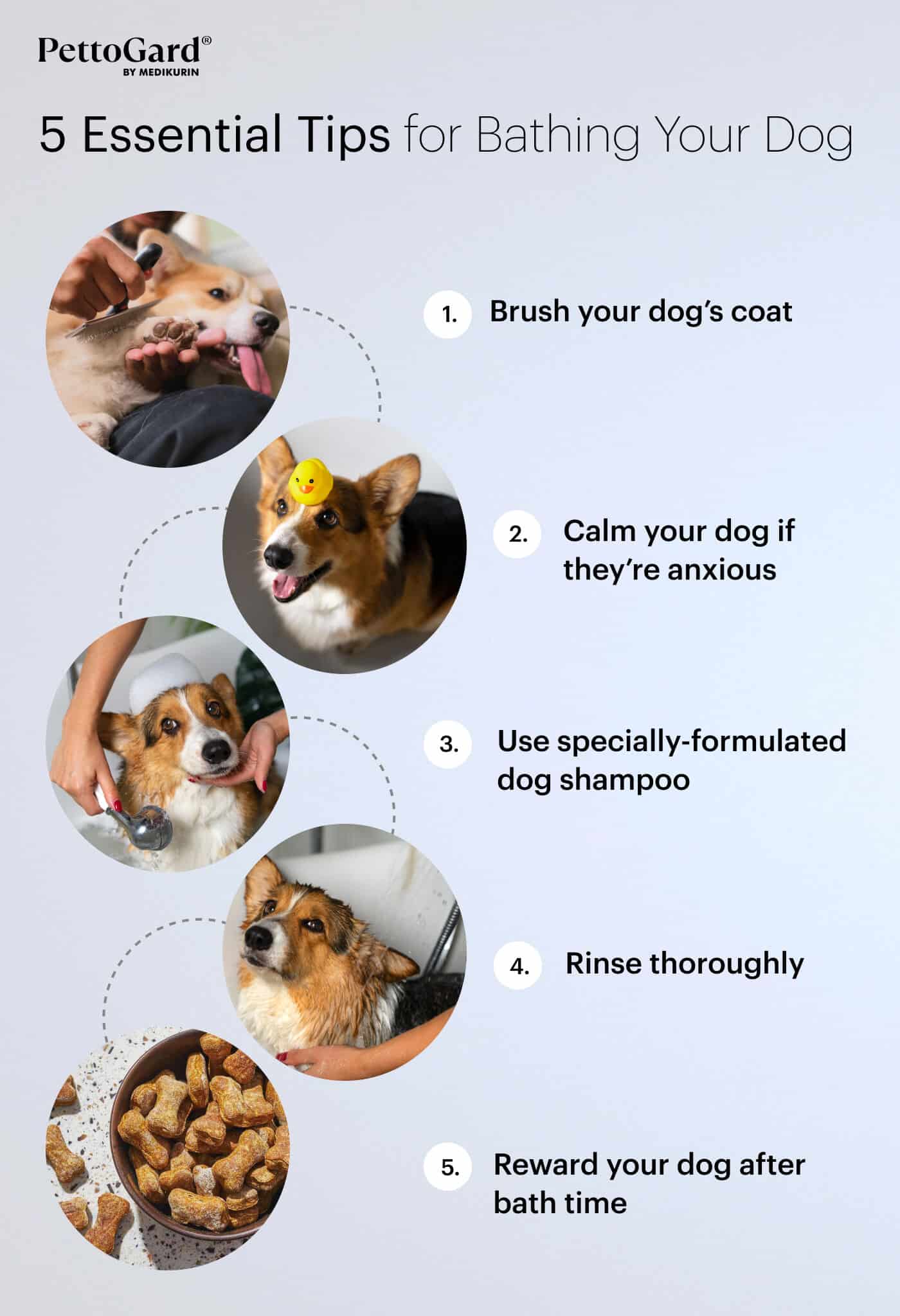
Before diving into the actual washing process, it’s important to prepare both yourself and your dog for a smooth and stress-free experience. First, consider the weather and environment—if it’s particularly chilly or windy, make sure your dog’s bath area is warm and draft-free to prevent them from getting chilled. Creating a calm atmosphere can help reduce your dog’s anxiety, especially if they’re not used to baths. Using a soothing voice, gentle touches, and treats can make the process more enjoyable for both of you.
Next, examine your dog’s coat and skin condition before washing. Rainy walks often bring mud, plant debris, and sometimes irritants like chemicals or pollen that can cause skin sensitivities. Check for any cuts, redness, or signs of irritation that may require special care. If your dog has a medical condition or sensitive skin, consult your veterinarian about the best cleaning products and techniques to use. Being prepared also means understanding your dog’s behavior—some pups are anxious about water, while others might love bath time. Tailoring your approach can help make the experience positive and effective.
Finally, plan your washing session during a time when your dog is calm and relaxed, ideally after a walk when they are tired but still manageable. Having a clear plan minimizes last-minute stress and ensures you have all supplies ready. If your dog is particularly anxious about baths, consider doing short, positive training sessions beforehand to build their confidence around water. Preparing mentally and physically for the wash makes all the difference in achieving a clean, happy, and comfortable pup afterward.
Gathering Necessary Supplies and Setting Up a Safe Washing Area
Having the right supplies on hand makes the washing process much more efficient and safe—for your dog and yourself. Essential items include a dog-specific shampoo formulated for their coat type and skin sensitivity, a non-slip mat for the bathtub or wash station, and towels or a drying robe for quick drying. You might also want a detachable showerhead or a gentle spray nozzle to make rinsing easier and more controlled, especially if your dog is nervous about water.
Additional supplies that can enhance the experience include a grooming brush suited for your dog’s coat—be it slicker, bristle, or comb—to remove loose hair and dirt before bathing. If your dog has mats or tangles, a detangling spray or conditioner can help prevent discomfort during brushing. For managing messes, keep a bucket of warm water nearby, along with wipes or pet-safe cleaning pads for spot cleaning during or after the wash. Don’t forget to have treats or toys ready to reward your dog for cooperation and help create positive associations with bath time.
Setting up your washing area in a safe, accessible space is crucial. The bathroom tub, laundry room, or outdoor shower station can all work well, provided they have non-slip surfaces and proper drainage. If washing outdoors, choose a shaded area to prevent your dog from getting too cold and to keep water from evaporating too quickly. Always supervise your dog throughout the process to avoid slips or escapes. Preparing everything beforehand—supplies, towels, and a comfortable environment—ensures a smoother, less stressful bath experience for both you and your dog.
Properly Rinsing and Washing Your Dog to Remove Mud and Debris
When washing your dog after a rainy day walk, start by thoroughly rinsing off loose mud, dirt, and debris. Use lukewarm water—never hot or cold—as it’s most comfortable and effective for cleaning sensitive skin. Begin at the neck and work your way down, making sure to reach all areas, including under the belly, legs, tail, and paws. Using a gentle spray or a cup, avoid aggressive spraying that can frighten or hurt your dog. Focus on areas with the heaviest mud accumulation, such as paws, belly, and chest, since these tend to trap the most dirt.
Once the dog is well-rinsed, apply a dog-safe shampoo designed for their coat type and skin sensitivities. Always follow the manufacturer’s instructions for dilution and application. Start by lathering the shampoo into a rich foam over the body, working from the neck downward, and gently massage it into the coat. Pay special attention to areas prone to dirt accumulation, like paws, ears, and under the collar. If your dog has a thick or double coat, consider using a detangling or conditioning product to facilitate brushing later and maintain coat health.
Ensure that you rinse thoroughly to remove all soap residues, which can cause skin irritation if left behind. Repeated rinsing with clean, lukewarm water helps ensure no shampoo is trapped in the fur. For dogs with long or curly coats, take extra time to rinse out all the shampoo—residual soap can lead to itching and dryness. Once rinsed, gently squeeze out excess water, preparing your dog for the next steps—drying and brushing—while the coat is still damp to promote healthy fur and skin.
Drying and Brushing Your Dog After the Bath to Promote Coat Health
Proper drying is essential to prevent your dog from catching a chill, especially after a rainy walk. Use a clean, absorbent towel or a dedicated dog drying towel to gently pat and squeeze out excess water from the coat. Avoid vigorous rubbing, which can cause discomfort and damage to the fur and skin. If your dog tolerates it, you can also use a pet-safe blow dryer on a low, cool setting—keeping the dryer at a safe distance to avoid burns or anxiety. This method is particularly useful for long-haired breeds prone to matting or for quickly drying thick coats.
Brushing after a bath plays a vital role in maintaining coat health, removing loose fur, and preventing mats or tangles. Use a brush suitable for your dog’s coat type—slicker brushes for curly or long-haired breeds, or bristle brushes for short-haired dogs. Gently work through the damp fur, starting from the head and moving downward, paying attention to areas prone to matting like behind the ears, under the legs, and around the collar. Regular brushing not only keeps the coat smooth but also stimulates skin oils, promoting a shiny and healthy coat.
As your dog dries and is brushed, observe for any signs of skin irritation, redness, or parasites such as fleas or ticks that might have been picked up during the walk. If necessary, apply a coat conditioner or detangler to ease brushing and add moisture back into the coat. Patience and positive reinforcement are key—reward your dog with treats or praise during and after the grooming process. Consistent post-bath grooming helps keep your dog comfortable, healthy, and looking their best while making future baths easier.
Tips for Preventing Future Rain-Related Messes and Maintaining Coat Cleanliness
Prevention is always better than cure when it comes to keeping your dog clean after walks. Investing in waterproof or water-resistant dog coats and booties can help minimize mud and dirt getting into your dog’s fur, especially for breeds prone to getting muddy or those with longer coats. These protective layers can be quickly removed and shaken off after a walk, reducing the amount of cleaning needed afterward. Additionally, establishing a designated “mudroom” or entry area with mats, towels, and a hose or shower setup makes cleaning up more efficient and less messy.
Regular grooming and coat maintenance also play a crucial role in keeping your dog clean and healthy. Brushing your dog’s coat frequently prevents mats and removes loose dirt or debris before they get embedded deep into the fur. Routine baths—using appropriate shampoos and conditioners—can help maintain the coat’s natural oils and keep the skin healthy, reducing odor and dirt buildup. Keeping your dog’s paws clean by wiping or rinsing after walks can prevent mud and bacteria from spreading to the rest of the coat, especially in muddy or rainy conditions.
Finally, pay attention to your local weather and environmental conditions to adjust your dog’s outdoor activities accordingly. Shorter walks during heavy rain or choosing routes less prone to puddles can help reduce the amount of mud and dirt your dog encounters. If your dog loves splashing and playing in puddles, consider drying them promptly and thoroughly afterward. Regular health check-ups, flea and tick prevention, and a well-maintained coat all contribute to a cleaner, healthier dog that’s less prone to messes caused by rainy day adventures.
Conclusion
Knowing how to properly wash your dog after a rainy day walk is vital for their hygiene, comfort, and overall health. Preparing the right environment and supplies, using gentle but effective cleaning techniques, and ensuring thorough drying and brushing can turn a muddy, wet mess into a clean, shiny coat. Additionally, taking preventive measures such as protective clothing, regular grooming, and mindful route planning can significantly reduce future messes and make cleanup quicker and easier. Remember, a happy, healthy dog is also a clean dog—so invest time in maintaining their coat and skin health, and they’ll thank you with wagging tails and wagging good health. Keep these tips in mind, and rainy-day walks will be a source of joy without the post-walk cleanup stress!