


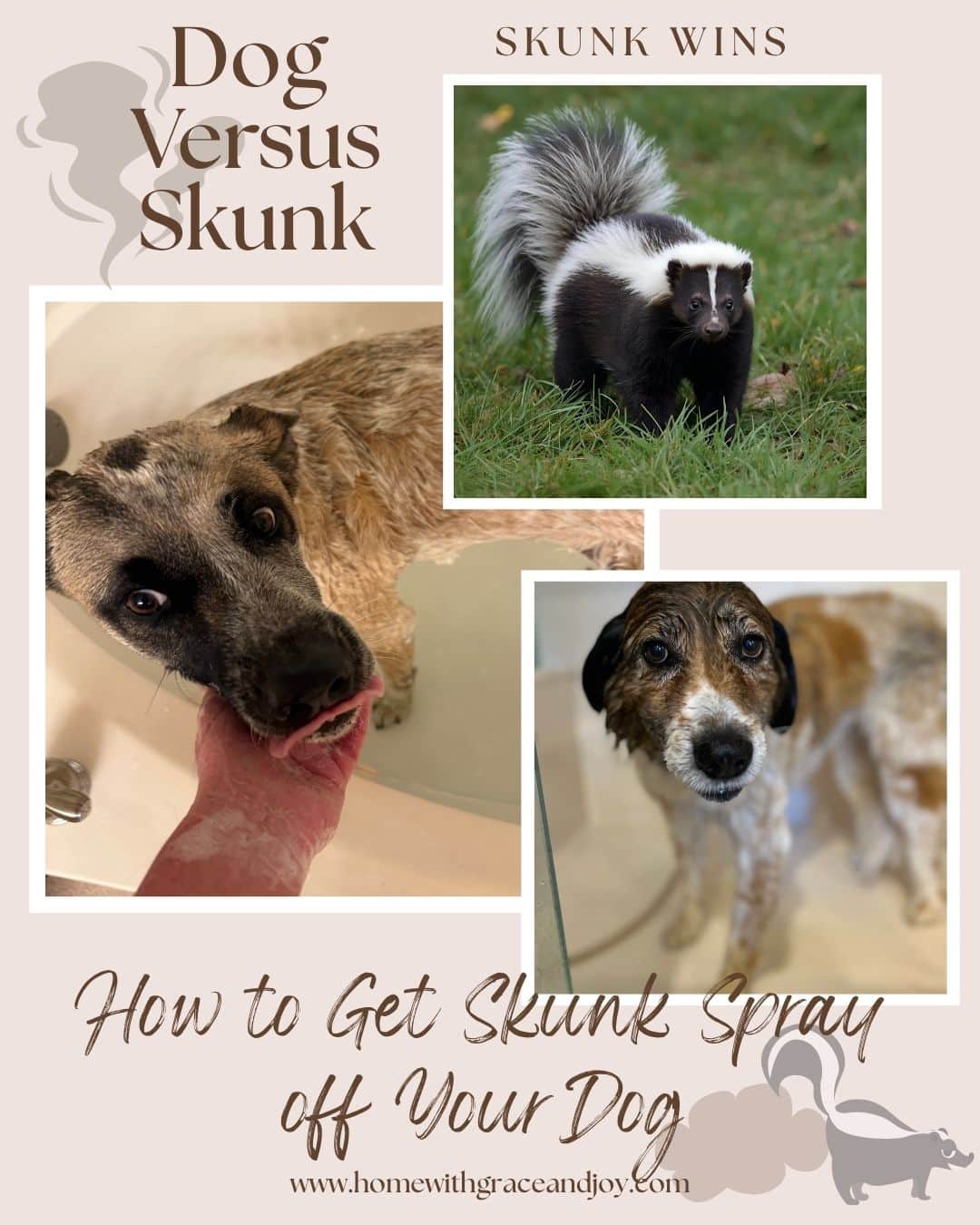
How to Wash Your Dog After a Skunk Encounter Without Using Vinegar
Getting sprayed by a skunk is one of those unexpected pet owner mishaps that can turn a peaceful walk into a frantic cleanup session. Skunk spray contains sulfur-based compounds called thiols, which are responsible for its pungent odor that can cling stubbornly to your dog’s fur and skin. While many pet owners turn to traditional remedies like vinegar to neutralize the smell, there are effective alternatives that don’t involve vinegar. This article will guide you through immediate actions, safe cleaning solutions, practical washing steps, odor removal tips, and preventative strategies—all tailored to help you handle a skunk encounter confidently and effectively.
Immediate Actions to Take After a Skunk Encounter
The moment you realize your dog has been sprayed by a skunk, quick action is essential to minimize the odor and prevent the spray from setting into their fur. First, keep your dog calm and restrained to prevent them from licking or rubbing the affected areas, which can spread the scent further or cause skin irritation. Quickly assess the situation and plan to wash your dog as soon as possible—timing is critical because the longer the spray sits, the more difficult it becomes to remove.
Next, if the spray is fresh, gently rinse your dog with lukewarm water to remove excess spray particles before applying any cleaning solution. This initial rinse helps dilute the chemicals and prevents them from penetrating the fur deeply. Avoid using hot water because it can open the hair follicles and potentially intensify the odor, or cause skin irritation. If your dog is distressed or overly anxious, try to keep them calm by speaking softly or offering treats, so the cleaning process is less stressful for both of you.
Finally, prioritize safety—wear gloves and old clothes if possible to avoid transferring the smell to yourself. If your dog has been sprayed directly in the face or eyes, rinse those areas thoroughly with clean water and consult your veterinarian immediately for guidance. Prompt, calm action can drastically improve the effectiveness of your cleaning efforts and reduce the lingering skunk smell.
Preparing a Safe and Effective Dog-Washing Solution (Without Vinegar)
Many traditional recipes for neutralizing skunk odor include vinegar, but if you prefer to avoid it, there are plenty of other effective options that are safe for your dog’s skin and coat. Baking soda is a popular and powerful alternative—it’s odor-absorbing, gentle, and readily available. Combining baking soda with cool water creates a mild paste or solution that can help neutralize sulfur compounds in the spray without irritating your dog’s skin.
Another excellent choice is hydrogen peroxide, which is widely known for its ability to break down the thiols responsible for the skunk smell. A common mixture involves hydrogen peroxide, baking soda, and a small amount of dish soap—this combo is effective at neutralizing odors and breaking down the chemical compounds in the spray. However, it’s essential to use this mixture carefully: never store it for later use, and avoid contact with your dog’s eyes, ears, or mouth. Always do a patch test on a small area of skin to ensure your dog doesn’t react adversely.
Finally, consider commercial enzymatic deodorizers formulated specifically for pet odors. These products contain enzymes that break down the odor-causing molecules without the harsh chemicals or strong smells associated with vinegar or other household remedies. Look for pet-safe options and follow the manufacturer’s instructions precisely. When preparing your washing solution, ensure it’s diluted properly and applied thoroughly to all affected areas for maximum effectiveness.
Step-by-Step Guide to Washing Your Dog Post-Skunk Spray
Once you’ve prepared your cleaning solution, follow these steps to give your dog an effective and safe bath that minimizes odor and skin irritation. Begin by placing your dog in a warm, well-lit area—preferably in a bathtub or a shower—where you can easily control the water flow and reach all affected areas. Before applying the solution, dampen your dog’s fur with lukewarm water, taking care not to drench the face or ears. This helps the cleaning agents penetrate the fur more effectively and reduces any discomfort.
Next, apply your prepared deodorizing solution generously, working it into your dog’s coat and paying special attention to the areas most affected by the spray. Use your hands or a gentle brush to massage the solution into the fur, ensuring it reaches the skin and penetrates deeply to neutralize odor molecules. Allow the mixture to sit for about 5-10 minutes—this gives time for the chemical reactions to break down the odor-causing compounds. Avoid letting the solution dry out, and resist the urge to rinse prematurely, as this can leave residual odor behind.
Finally, rinse your dog thoroughly with cool, clean water to wash away the solution and loosened contaminants. Be meticulous—use a gentle stream to avoid causing stress or discomfort. Once rinsed, gently towel dry your dog or use a blow dryer on a low, cool setting if your pet tolerates it. Keep your dog in a warm environment until fully dry to prevent chills. Repeat the process if the odor persists, but usually, one thorough bath is sufficient for most cases.
Tips for Removing Persistent Odor and Ensuring Complete Decontamination
Even after a thorough wash, some dogs might retain residual skunk odor, especially in thick or long fur. To combat this, consider applying a second bath using your vinegar-free deodorizer, or switch to enzymatic pet deodorizers designed specifically for this purpose. These products contain enzymes that chemically break down odor molecules at a molecular level, providing a more complete decontamination. Be sure to follow the instructions carefully and allow ample contact time for optimal results.
In addition to bathing, natural remedies such as baking soda sprinkled onto the coat can absorb persistent odors. After applying baking soda, gently massage your dog’s fur, then let it sit for 15-20 minutes before brushing out thoroughly. This process can help lift odor particles trapped deep within the coat. Also, consider using specialized pet odor neutralizing sprays that are safe for daily use—these can help maintain freshness over the next few days. Regular grooming, including brushing and bathing, is key to removing any lingering scent.
Lastly, don’t forget to clean your dog’s bedding, toys, and any areas your dog frequented immediately after the encounter. Skunk spray can cling to fabrics and surfaces, continually reintroducing odor. Washing these items with a pet-safe detergent or running them through a hot wash cycle can prevent recontamination. Maintaining a clean environment and monitoring your dog for skin irritation or allergic reactions after the spray can help ensure their health and comfort in the days following the skunk encounter.
Preventative Measures and Future Skunk Encounter Prevention Strategies
Prevention is always better than cure, especially when it comes to skunks and curious dogs. Consider installing motion-activated lights or motion-activated sprinklers in your yard to deter skunks from approaching your property. Keep trash cans securely covered, as skunks are often attracted to food scraps and compost. Removing potential food sources and shelter can significantly reduce the likelihood of skunk visits and encounters with your dog.
Training your dog to avoid skunks can be a practical and effective strategy. Use positive reinforcement techniques to teach commands such as “leave it” or “come,” which can help divert their attention away from potential threats. Additionally, keep your dog leashed during walks in areas where skunks are known to frequent, such as wooded areas, gardens, or near water sources. If your dog does encounter a skunk, remain calm and remove them from the area swiftly to prevent further interactions.
Finally, regular yard maintenance and environmental modifications can reduce skunk habitats and hiding spots. Trim overgrown bushes, remove debris piles, and seal holes in your yard’s fencing. Providing your dog with a safe, enclosed space can minimize unsupervised exploratory walks into skunk territories. Staying vigilant and proactive is the best way to protect your furry friend from future skunk encounters and the unpleasant consequences that come with them.
In conclusion, handling a skunk spray incident involves speedy, calm action, the right cleaning solutions, thorough washing, and ongoing odor management. Avoiding vinegar doesn’t mean sacrificing effectiveness—baking soda, hydrogen peroxide, and enzymatic deodorizers are excellent alternatives. By following a structured approach, you can neutralize the smell safely and efficiently while safeguarding your dog’s skin health. Additionally, proactive prevention measures are your best defense against future skunk surprises. Remember, patience and consistency are key—your dog’s comfort and odor-free freshness depend on it.