

How to Wash Your Dog After an Agility Competition: Tips & Best Practices
Participating in agility competitions is an exciting way to bond with your dog, showcase their skills, and keep them physically and mentally active. However, after a high-energy event, your dog is likely to be covered in dirt, mud, grass, or sweat, making a thorough cleaning essential—not just for hygiene but also for their comfort and health. Proper post-competition washing isn’t just about aesthetics; it’s about maintaining your dog’s skin health, preventing infections, and ensuring they’re ready for their next adventure.
In this article, we’ll guide you through every step of the cleaning process—from preparing your dog and selecting the right products, to the actual bathing routine, drying, grooming, and post-bath care. Whether you’re a seasoned agility dog owner or new to the sport, these tips will help you make the post-competition wash a smooth, stress-free experience that keeps your furry athlete happy, healthy, and looking their best.
Preparing Your Dog and Equipment for Post-Competition Washing
The key to an effective and stress-free dog wash begins long before you turn on the tap. Preparation involves gathering all necessary supplies, creating a calm environment, and ensuring your dog is comfortable. First, have everything you need within arm’s reach: dog shampoo, conditioner if used, towels, brushes, a non-slip mat for the tub or shower, and treats for positive reinforcement. This way, you won’t have to leave your dog unattended or scramble for supplies mid-bath, which can cause anxiety or accidents.
Next, consider your dog’s temperament and any specific needs. Some dogs are naturally anxious around water, while others might be excited but restless. If your dog is nervous, introduce the bathing environment gradually—let them sniff the shampoo, sit on the non-slip mat, or even just observe the setup before starting. For particularly muddy or dirty dogs, a gentle rinse with water first can help loosen dirt, making the actual wash more effective and less stressful. Also, ensure the bathing area is safe and escape-proof; a sturdy tub or a designated bathing area with slip-proof flooring helps prevent accidents.
Finally, keep your dog’s safety and comfort in mind. Use lukewarm water—about 90-100°F (32-38°C)—to avoid shocking their skin or causing discomfort. If your dog has sensitive skin or allergies, consult your veterinarian for recommendations on suitable products before the wash. Prior to the bath, brush out any loose hair or mats to reduce tangling during washing and prevent the formation of mats as the coat gets wet. This step makes the process smoother, faster, and more comfortable for your dog while protecting their skin from unnecessary irritation.
Selecting the Right Bathing Products for Your Dog’s Coat and Skin
Choosing the appropriate grooming products is crucial after an agility event, especially since your dog might have encountered mud, grass, or even minor abrasions. Not all shampoos are created equal, and selecting the right one depends on your dog’s coat type, skin sensitivity, and specific needs. For instance, a dog with a short, smooth coat may require a different formulation than a long-haired or double-coated breed. Similarly, dogs with sensitive skin should avoid harsh chemicals or artificial fragrances that can cause irritation.
Look for shampoos that are pH-balanced specifically for dogs, as their skin’s natural pH is different from humans. These products help maintain the skin’s protective barrier, preventing dryness or irritation. If your dog has allergies or skin conditions, consider medicated shampoos prescribed by your veterinarian. For muddy or oily coats, enzymatic or degreasing shampoos may be effective, while gentle oatmeal-based formulas provide soothing relief for itchy or irritated skin. Additionally, conditioners can help detangle long hair and restore moisture, making grooming easier and more comfortable for your dog.
Pay attention to ingredients—avoid products with artificial dyes, parabens, sulfates, or alcohol, as these can strip natural oils and cause dryness. Natural, hypoallergenic options with soothing ingredients like aloe vera, chamomile, or oatmeal are often best for active dogs. Always test a small patch of your dog’s skin with a new product to check for adverse reactions before proceeding with the full bath. Remember, the goal is to clean without disrupting the natural oils that keep your dog’s coat shiny and skin healthy, especially after rigorous activity.
Step-by-Step Guide to Washing Your Dog After an Agility Event
Now that you’ve prepared and selected the right products, it’s time to get your dog thoroughly cleaned. Follow this step-by-step approach for a quick, effective, and safe bathing experience:
-
Wet the Coat Thoroughly: Using lukewarm water, start by wetting your dog’s coat from neck to tail, avoiding the face initially. This helps loosen dirt and debris. Use a handheld showerhead or a gentle spray, ensuring water doesn’t go into their ears, eyes, or nose.
-
Apply Shampoo Gradually: Dilute the shampoo with water to create a lathering solution if needed. Start applying from the neck down, massaging in circular motions to lift dirt and distribute the product evenly. Be gentle and avoid scrubbing aggressively, especially around sensitive areas like the face, ears, and genital region.
-
Focus on Problem Areas: Pay attention to areas prone to mud, dirt, or sweat buildup—such as paws, underbelly, and around the collar. Use a soft cloth or sponge for delicate areas. If your dog has mats or tangles, gently work through them with your fingers or a comb before rinsing.
-
Rinse Thoroughly: Rinse the coat thoroughly with clean, lukewarm water to remove all soap residues. Leftover shampoo can cause skin irritation or itching. Make sure no suds remain, especially in thick or long-haired breeds. Repeat the shampooing process if your dog is particularly dirty or muddy.
-
Condition and Final Rinse: If using conditioner, apply according to the manufacturer’s instructions, focusing on the mid-lengths and ends of the coat. Rinse well to prevent buildup, which can weigh down the hair and cause skin issues.
-
Clean the Face Carefully: Use a damp washcloth to gently wipe your dog’s face, avoiding the eyes and ears. You can use a specially formulated face wipe or mild cleanser if necessary, but never spray water directly onto their face.
Completing this step-by-step routine ensures your dog is clean, comfortable, and ready to dry without leftover dirt or irritants that could cause skin problems later. Patience and gentle handling are key—never rush through the process, especially with anxious or sensitive dogs.
Drying and Grooming Tips to Keep Your Dog Comfortable and Tangle-Free
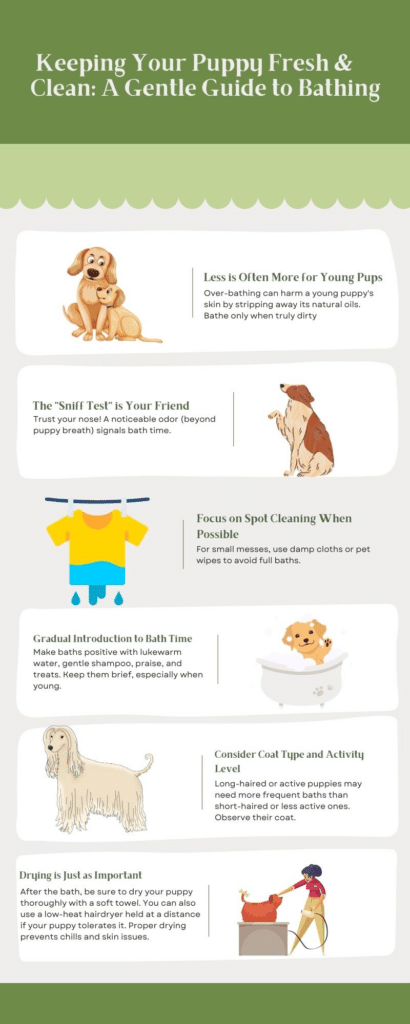
After washing, proper drying and grooming are vital to maintain your dog’s coat health and comfort. The drying process helps prevent skin irritation, mats, and hotspots, especially for long-haired or double-coated breeds. Start by gently squeezing out excess water from your dog’s coat—don’t pull or wring, as this can damage hair and cause discomfort. Then, use a clean, absorbent towel to pat dry, pressing gently to soak up moisture. For dogs with thick or long hair, you might need multiple towels or even a blow dryer set on a low, cool setting.
When using a blow dryer, ensure it’s on a cool or low heat setting to prevent burns or skin irritation. Keep the dryer moving constantly, maintaining a safe distance—about six inches from your dog’s skin. Many dogs find the sound and airflow soothing, but if yours is anxious, consider using calming sprays or pheromone diffusers beforehand. Alternatively, air-drying in a warm, draft-free space can work well, especially if your dog tolerates brushing while damp. Brushing during and after the drying process helps detangle hair and prevents mats from forming as the coat dries.
Grooming doesn’t end with drying. Regular brushing helps distribute natural oils, promotes a healthy shine, and reduces shedding and hairballs. Use the appropriate brush for your dog’s coat type—slicker brushes for dense coats, pin brushes for longer hair, or shedding blades for heavy shedding periods. Check your dog’s ears, eyes, and paws during grooming; remove any loose hair, dirt, or debris. For active agility dogs, trimming nails and keeping paw pads clean are also important to prevent discomfort or injury. A consistent grooming routine after washing keeps your dog comfortable, tangle-free, and ready for their next agility challenge.
Post-Bath Care and Skin Health Maintenance for Active Dogs
After a thorough wash, maintaining your dog’s skin health is essential, especially for active dogs that regularly engage in agility activities. Regular baths, combined with proper nutrition and skin care, help keep their coat shiny, free of parasites, and resistant to skin conditions. Consider adding omega-3 fatty acids or skin supplements to your dog’s diet, as these can promote healthy skin and a glossy coat. Always follow your veterinarian’s guidance to tailor skin care to your dog’s specific needs, particularly if they have allergies or sensitivities.
Observe your dog’s skin for any signs of irritation, redness, hotspots, or parasites. An active lifestyle means increased exposure to dirt, plants, and insects, which can sometimes cause minor skin issues. Using gentle, hypoallergenic shampoos and avoiding over-bathing can help prevent dry skin and irritation. If you notice persistent skin problems, consult your veterinarian for diagnosis and treatment options. Also, pay attention to your dog’s ears, paws, and coat, as these are common areas for skin infections or irritations to develop after outdoor activities and competitions.
Finally, establishing a regular grooming and bathing schedule tailored to your dog’s breed, coat type, and activity level will keep them comfortable and healthy year-round. Proper post-competition wash routines not only clean your dog but also offer an opportunity to check for any injuries or abnormalities. Keeping your active dog’s skin and coat in top condition enhances their overall well-being, ensures they look their best, and prepares them for future agility adventures.
In Conclusion
Washing your dog after an agility competition is more than a quick rinse—it’s an essential part of your dog’s health, comfort, and performance. Preparation, selecting the right products, and following a gentle, thorough routine help ensure your dog feels relaxed and gets the best care possible. Proper drying and grooming prevent mats, skin issues, and discomfort, while ongoing skin health maintenance keeps your pup active and happy for years to come.
Remember, patience and positive reinforcement can transform bath time from a chore into a bonding experience. Keep in mind your dog’s unique needs, and don’t hesitate to consult professionals for personalized advice. With these tips and best practices, you’ll help your agility dog stay clean, healthy, and eager for their next challenge—because a well-cared-for dog is a happy, successful teammate in every run.