


How to Wash Your Dog After Camping: Tips for a Fresh, Clean Pup
Camping adventures with your furry friend are some of the most enjoyable experiences you can share. From exploring trails to swimming in lakes, your dog’s outdoor escapades are filled with fun—and dirt, mud, leaves, and sometimes even ticks. After such adventures, giving your dog a thorough wash isn’t just about keeping their coat shiny; it’s about ensuring their health, hygiene, and comfort. Properly cleaning your dog after camping prevents skin infections, removes parasites, and keeps your pup smelling fresh for days to come.
In this guide, we’ll walk you through everything you need to know—from preparing your supplies to inspecting for unwanted hitchhikers, and maintaining a healthy coat. Whether you’re a seasoned camper or a weekend warrior, these tips will help you get your dog clean efficiently and effectively, ensuring they stay happy and healthy long after your outdoor trip ends.
Preparing Your Supplies and Setting Up for an Effective Dog Wash
Before diving into the actual cleaning process, gathering all your supplies is essential to make the experience smooth and stress-free. First, choose a suitable location—ideally, a space that’s easy to clean, like a bathtub, outdoor shower, or a dedicated dog washing station. If you’re outdoors, portable tubs or waterproof mats can help contain water and mud, preventing messes from spreading.
Next, stock up on quality grooming essentials: dog-specific shampoo (preferably hypoallergenic and tear-free), conditioner if your dog has a long or thick coat, a brush suitable for your dog’s fur type, towels, and a gentle comb. Bringing a pair of grooming scissors can also come in handy for trimming any matted hair or debris. Consider having a flea and tick comb or treatment ready as well—especially if your camping trip involved wooded areas or tall grass.
Setting up your washing station thoughtfully can make a huge difference. Use non-slip mats to prevent slipping, and keep everything within arm’s reach—this minimizes the time your dog spends waiting in a wet or uncomfortable environment. Adding some treats or toys can help create positive associations with bath time, reducing anxiety and making the process more enjoyable for both of you.
Assessing Your Dog’s Coat and Skin for Post-Camping Cleanliness
Once you’re set up, start by gently assessing your dog’s coat and skin. Camping exposes dogs to a variety of outdoor elements—dirt, mud, plant material, and even insects—so a thorough initial inspection helps identify areas that need extra attention. Look for visible debris, mats, or tangles, particularly around the ears, paws, and underbelly where mud and plant matter tend to collect.
Pay close attention to your dog’s skin as well. Check for signs of irritation, redness, or small cuts that might have been caused by rough terrain or scratching from ticks. Ticks are a common concern after camping in wooded areas, so part of your assessment should include a careful check for these parasites, especially around the ears, neck, armpits, and between toes. Also, examine the paws for cuts or embedded debris like thorns or burrs that can cause discomfort or infection if left unchecked.
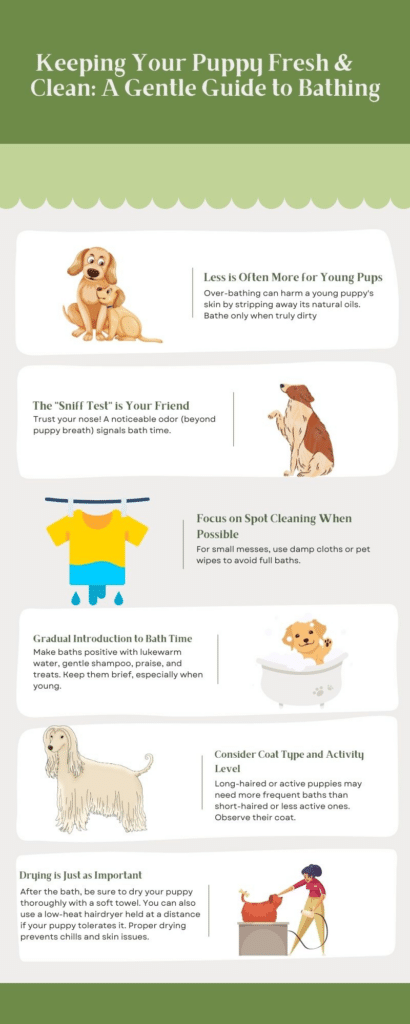
Understanding your dog’s coat type will guide your cleaning approach. For example, a short-haired breed may require less intensive grooming, while long-haired or double-coated dogs might need more systematic detangling and thorough washing to remove mud and debris. This initial assessment sets the tone for a targeted, efficient cleaning process that leaves your pup healthy and comfortable.
Step-by-Step Guide to Washing Your Dog After a Camping Trip
A systematic approach ensures your dog gets the cleanliness they need while minimizing stress. Start by rinsing your dog with lukewarm water, gently wetting their coat from neck to tail. Use a hose with a gentle spray setting or a handheld shower head, making sure the water isn’t too cold or too hot, as extreme temperatures can cause discomfort or skin issues.
Apply a dog-specific shampoo—avoid human shampoos, which can be too harsh for canine skin—and lather thoroughly, paying special attention to areas that are dirtier, such as paws, belly, and behind the ears. For dogs with long or thick coats, consider using a detangling or conditioning shampoo to help manage mats and keep the coat healthy. During washing, gently massage your dog’s skin to loosen dirt and debris, and be sure to rinse thoroughly to remove all soap residues, which can cause irritation if left behind.
If your dog has been exposed to muddy or sticky areas, repeat the rinsing and washing process as needed to remove stubborn dirt. For dogs with sensitive skin or allergies, opt for a gentle, hypoallergenic shampoo and avoid over-washing—usually once a month suffices unless they get excessively dirty. Finish the bath by rinsing with cool water to close the hair cuticles, leaving the coat shiny and smooth.
Drying, Brushing, and Inspecting for Ticks and Other Debris
After washing, proper drying is crucial to prevent skin issues like irritation or fungal infections. Use a large, absorbent towel to gently pat your dog dry, then consider a blow dryer set to a low, cool setting for dogs with thick coats or long hair. Make sure to keep the dryer moving to avoid overheating any spot. Be patient and gentle—some dogs find loud noises unsettling, so offering treats or calming praise helps make the experience more positive.
Once your dog is mostly dry, brush their coat thoroughly to remove loose hair, mats, and remaining debris. Regular brushing not only keeps the coat tidy but also stimulates blood circulation and distributes natural oils, promoting a healthy shine. Use a suitable brush for your dog’s fur type—slicker brushes for long-haired breeds or bristle brushes for short-haired dogs—and pay attention to sensitive areas like the face, ears, and joints.
Finally, conduct a detailed inspection for ticks or other hitchhikers. Use a fine-tooth tick comb and examine your dog’s entire body, especially in warm, hidden spots like underarms, inside ears, and between toes. Remove any ticks promptly using tweezers or a tick removal tool, grasping the tick close to the skin and pulling straight out. Discard the tick safely and disinfect the bite area. Regular inspections after camping trips are vital to protect your pet from potential diseases carried by ticks.
Tips for Maintaining a Healthy Coat and Preventing Future Messes
Prevention is the best way to keep your dog clean and comfortable after outdoor adventures. Regular grooming routines tailored to your dog’s coat type help reduce dirt buildup and prevent mats from forming. Incorporate brushing into your weekly schedule, especially after trips to the park or woods, to remove loose fur, dirt, and debris before they settle into the coat.
Using protective gear, like dog boots or a bandana, can help keep paws clean and reduce the amount of dirt and mud tracked into the house. If your dog enjoys swimming or wading in lakes and streams, rinse their coat with fresh water after each outing to minimize the long-term effects of salt, algae, or bacteria. Applying a conditioner or coat spray formulated for dogs can also help maintain a healthy, water-resistant coat.
Lastly, maintaining your dog’s health with regular flea, tick, and parasite prevention treatments will give you peace of mind after camping trips. Keep an eye on your dog’s skin and coat, and consult your veterinarian if you notice persistent dryness, irritation, or signs of parasitic infestation. Staying proactive in grooming and health care ensures your pup remains happy, clean, and ready for the next outdoor adventure.
Conclusion
Washing your dog after camping may seem like a chore, but it’s a vital part of responsible pet ownership and outdoor enjoyment. Proper preparation, systematic cleaning, and thorough inspections help keep your dog healthy, comfortable, and free from pests and dirt. Remember, a clean dog is not only more pleasant to cuddle but also less prone to skin infections, parasites, and discomfort.
By following these step-by-step tips, you can turn bath time into a positive experience for your furry friend, strengthening your bond and ensuring they’re ready for your next outdoor adventure. Regular grooming and preventive care are key to maintaining a shiny coat and a healthy pup, making every camping trip a fun and memorable experience for both of you.