
How to Wash Your Dog After Socializing with Strays: A Step-by-Step Guide
Spending time with other dogs, especially those you encounter during walks or at the park, can be a wonderful social experience for your furry friend. However, socializing with strays or unfamiliar dogs can also pose health risks, such as exposure to parasites, bacteria, or viruses. Properly bathing your dog after such interactions is essential not just for cleanliness but also for their health and safety. This guide will walk you through a detailed, step-by-step process on how to effectively wash your dog after socializing with strays, ensuring they stay happy, healthy, and fresh.
In this article, we’ll cover everything from preparing your dog before the bath, selecting the right grooming supplies, executing a thorough cleaning routine, and caring for your dog’s coat afterward. Additionally, we’ll discuss how to detect and prevent potential health issues that might arise from socializing with unfamiliar dogs. Whether you’re a seasoned pet parent or new to dog care, this comprehensive guide aims to empower you with the knowledge needed to keep your dog safe and clean in a natural and caring way.
Preparing Your Dog for a Post-Socialization Wash
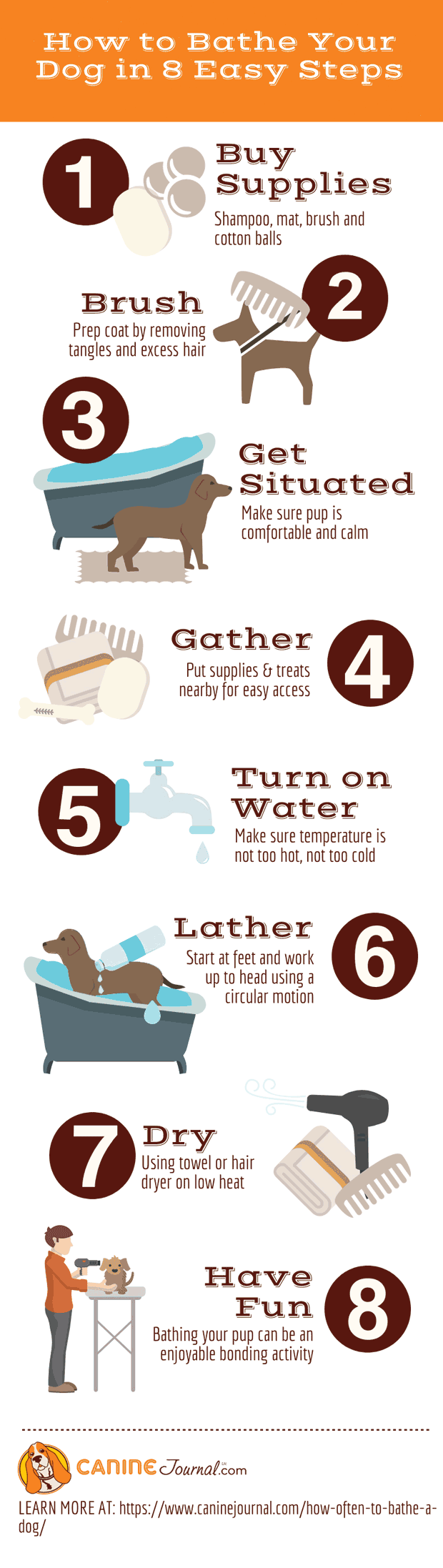
Before you even fill the bathtub or grooming station, taking a few preparatory steps can make the entire washing process smoother—for both you and your dog. First, ensure your dog is calm and comfortable. If your dog is anxious or excited after socializing, spend a few minutes cuddling or offering treats to help them settle down. A calm dog is less likely to resist during the bath, reducing stress and the risk of injury.
Next, gather all necessary grooming supplies ahead of time. Having everything within reach—such as towels, shampoo, brushes, and treats—prevents unnecessary stress during the process. Preparing a non-slip mat in the tub or bathing area is also crucial; dogs can be nervous on slippery surfaces, which can lead to slipping or slipping and slipping, making bath time more stressful. Using a gentle, reassuring voice and familiar commands can further help keep your dog relaxed throughout the process.
Lastly, consider clipping or trimming your dog’s nails beforehand if they are particularly long or sharp. Long nails can scratch during handling or cause discomfort while bathing. Also, check for signs of discomfort or illness before starting the bath. If your dog appears unwell or overly anxious, it might be best to reschedule or seek advice from your veterinarian. Proper preparation is the foundation for a safe, effective, and stress-free bathing routine after socializing with strays.
Choosing the Right Dog Shampoo and Grooming Supplies
Selecting the correct grooming products is vital after your dog’s interaction with stray animals. Not all shampoos are created equal, and using the right one can help eliminate parasites, bacteria, and odors effectively. Look for a gentle, veterinarian-recommended dog shampoo that is formulated for your dog’s specific coat type and skin sensitivity. If your dog was exposed to dirt, mud, or potential contaminants, choose a shampoo with antibacterial or antiseptic properties to ensure thorough cleansing.
In addition to shampoo, invest in other grooming supplies that can make the process easier and more effective. A high-quality brush suited for your dog’s coat length and texture will help remove loose fur, dirt, and debris. Consider using wipes or rinseless shampoos if you want a quick freshening-up without a full bath. Towels for drying, a non-slip mat, and possibly a blow dryer with a pet-appropriate setting are also essential tools. Remember to have treats on hand to reward your dog for good behavior, reinforcing a positive association with bath time.
Always read labels carefully and avoid using human shampoos, as they can upset your dog’s skin pH balance or contain harmful ingredients. If your dog has skin issues or allergies, consult your veterinarian for specific product recommendations. Proper grooming supplies not only help you clean your dog effectively but also contribute to maintaining a healthy coat and skin, especially after social interactions that may increase the risk of infection or parasites.
Step-by-Step Guide to Washing Your Dog After Socializing with Strays
Now that preparations are complete, it’s time to dive into the actual bathing process. Start by securing your dog in a comfortable position—either in a bathtub, sink, or designated grooming area. Use the non-slip mat to prevent slipping and keep your dog steady. Before applying any shampoo, thoroughly wet your dog’s coat with lukewarm water, avoiding water directly in their ears, eyes, and nose.
Apply the dog shampoo evenly across your dog’s body, starting from the neck and working your way down. Use gentle, circular motions to lift dirt, debris, and potential parasites from the coat and skin. Pay close attention to areas that tend to harbor bacteria or parasites, such as the paws, belly, and underarms. For dogs that have socialized with strays, consider giving special attention to the face and ears, but avoid applying shampoo directly into their ears or eyes to prevent irritation.
Once the shampoo has been thoroughly worked in, let it sit for a few minutes if it’s an antibacterial or medicated formula. Then, rinse your dog thoroughly with lukewarm water, ensuring no residual shampoo remains. Rinsing properly is critical to prevent skin irritation or buildup. After rinsing, gently squeeze excess water from the coat and proceed to dry your dog with a soft towel or a pet-safe blow dryer set on low. Avoid vigorous rubbing, which can irritate sensitive skin, especially if your dog’s skin has been exposed to bacteria or parasites during socialization.
Ensuring Proper Drying and Coat Care Following the Bath
Effective drying is essential to prevent cold stress and skin issues, particularly after exposure to outdoor environments or interaction with other animals. Use a soft, absorbent towel to pat your dog dry gently. If your dog tolerates it, a blow dryer on a low, cool setting can significantly speed up the drying process and help remove loose fur and dirt. When using a blow dryer, keep it at a safe distance from the skin and avoid making loud noises that might scare your dog.
Once your dog is dry, focus on coat care to maintain its health and shine. Brushing your dog’s coat after a bath helps remove any remaining loose fur, detangles hair, and stimulates natural oil production. If your dog has a long or thick coat, consider trimming matted areas or uneven fur to prevent skin infections. Regular grooming not only keeps your dog looking good but also allows you to check for signs of skin irritations, parasites, or injuries that may have arisen during social interactions.
Lastly, don’t forget to clean your dog’s ears, eyes, and teeth as part of their post-socialization grooming routine. Use vet-approved wipes or solutions to gently clean the ears and prevent infections. Proper coat and overall skin care after a bath are crucial for your dog’s comfort and health, especially following contact with potentially contaminated environments. This attentive approach helps promote a healthy, happy, and well-groomed pet.
Tips for Preventing and Detecting Potential Health Concerns After Socialization
Prevention begins before socialization occurs, but staying vigilant afterward is equally important. Regularly inspecting your dog’s skin, coat, ears, and paws can help you spot early signs of parasites such as fleas or ticks, which are common after outdoor encounters. Look for unusual lumps, rashes, or redness that could indicate infections or allergic reactions. If your dog starts scratching excessively, develops hair loss, or shows signs of discomfort, consult your veterinarian promptly.
To minimize health risks, consider administering a veterinarian-approved flea, tick, and worm prevention treatment, especially if your dog frequently interacts with other animals in outdoor settings. Keeping your dog’s vaccinations up to date is essential for preventing communicable diseases that can spread through contact with stray animals. Additionally, monitor your dog’s behavior and appetite over the days following socialization, as lethargy or other behavioral changes may indicate underlying health issues.
Finally, maintain a good hygiene routine and clean your dog’s living environment regularly. Wash bedding, toys, and grooming tools to eliminate parasites or bacteria. If your dog shows any signs of illness or unusual symptoms after socializing with strays, seek veterinary advice immediately. Early detection and preventive care are key to ensuring your dog remains healthy and happy after meeting new, potentially risky acquaintances.
In Conclusion
Bathing your dog after socializing with strays is an essential part of responsible pet care. Proper preparation, selecting suitable grooming supplies, and following a detailed washing routine help ensure your dog remains clean and healthy. Pay close attention to coat care and drying techniques to maintain your dog’s comfort and hygiene. Moreover, staying vigilant for potential health concerns—such as parasites or infections—can prevent more serious issues down the line.
Remember, a calm, positive approach during bath time can turn a potentially stressful experience into an opportunity for bonding and care. Regular grooming, combined with preventative health measures, will keep your beloved pet safe, clean, and happy after every outdoor adventure or social encounter. Your commitment to their well-being makes all the difference in fostering a healthy, happy life for your furry friend.