


How to Wash Your Dog After Walking Through Pesticides: A Safe Guide
Walking your dog is one of the greatest joys of pet ownership, offering both exercise and bonding time. However, sometimes that walk takes an unexpected turn when your furry friend encounters pesticides—whether from treated lawns, nearby farms, or recently sprayed areas. Pesticides can pose serious health risks to dogs, including skin irritation, poisoning, or more severe systemic effects. If you suspect your dog has come into contact with pesticides, quick and proper action is essential to safeguard their health.
This comprehensive guide will walk you through how to assess the exposure, prepare for the wash, properly clean your dog, and prevent future encounters. By following these evidence-based steps, you can ensure your dog’s safety and comfort after a pesticide exposure incident.
Assessing Pesticide Exposure and Immediate Safety Precautions
The first step in managing your dog’s safety after pesticide contact is accurately assessing the level of exposure. Look for visible signs such as skin redness, swelling, or irritation—especially in areas where your dog’s fur is thin or their skin is exposed. Observe for signs of systemic toxicity like drooling, vomiting, diarrhea, lethargy, tremors, or difficulty breathing, which indicate more severe exposure.
Once you’ve identified or suspect pesticide contact, it’s crucial to prioritize safety for both your pet and yourself. Make sure to wear gloves and, if possible, protective clothing to prevent accidental absorption or inhalation of chemicals. Move your dog to a well-ventilated area away from the pesticide source to minimize further exposure. If your dog shows signs of severe poisoning—such as seizures, difficulty breathing, or unresponsiveness—seek emergency veterinary care immediately. Remember, quick action can make a significant difference in outcomes.
It’s also advisable to review the type of pesticide involved if known—some chemicals are more toxic than others. Keep any labels, containers, or information handy to inform your veterinarian later. If unsure about the pesticide or the severity of exposure, consult a veterinary professional promptly to get tailored advice. Safety first: don’t delay in seeking expert help when your dog’s health is at risk.
Preparing Your Dog and Washing Supplies for a Safe Clean-Up
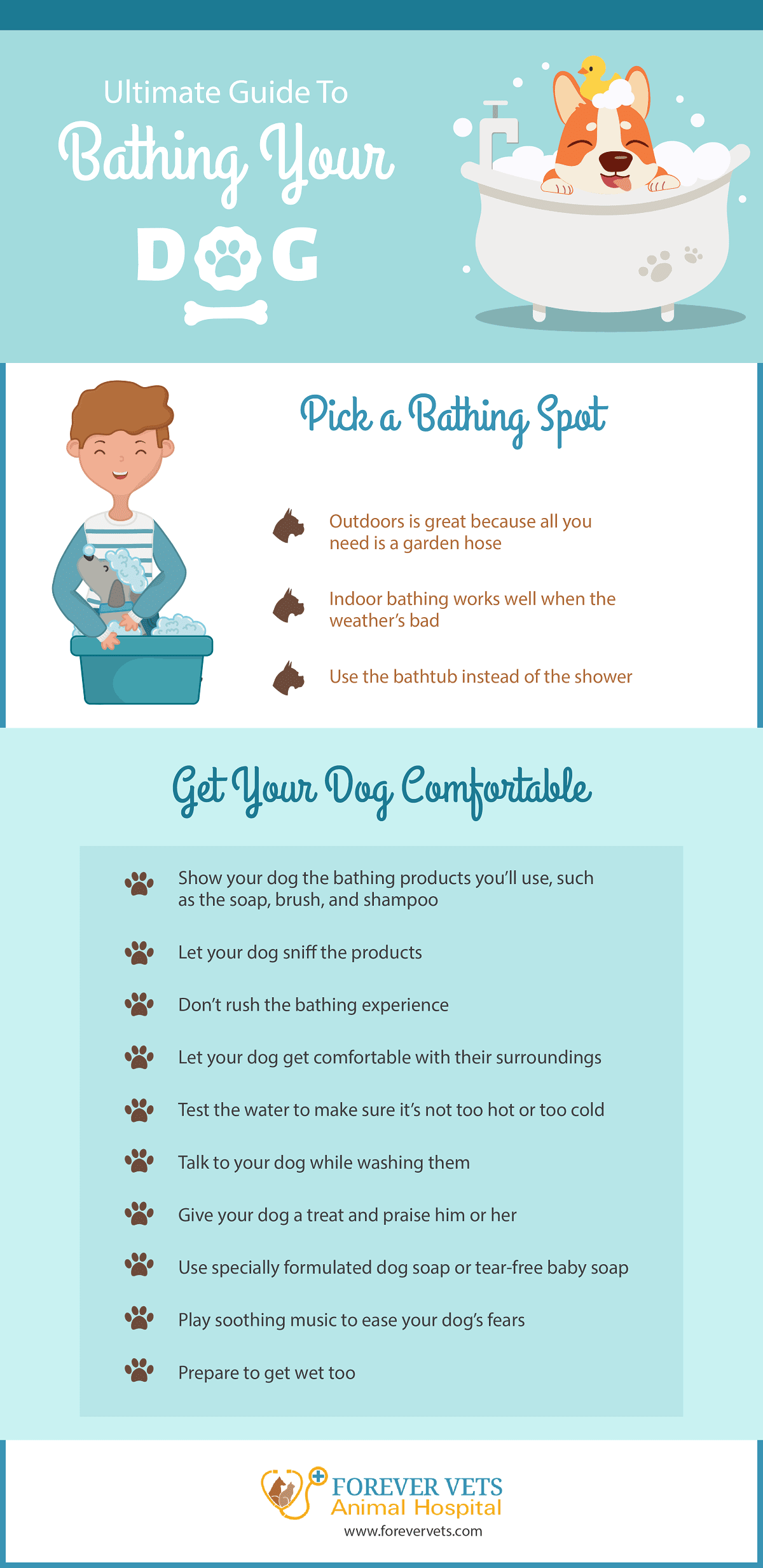
Before starting the washing process, it’s essential to gather all necessary supplies to ensure an effective and safe cleanup. You’ll need a gentle dog-specific shampoo—preferably one formulated for sensitive skin—along with clean, lukewarm water. Avoid harsh soaps or human shampoos, as their ingredients can irritate your dog’s skin or worsen chemical absorption. Additionally, keep a towel, a brush or comb, and perhaps a pair of gloves on hand to protect yourself and manage your dog’s comfort throughout the process.
Preparing your dog physically and emotionally can make the cleaning process smoother. Calm your pet with soothing words, treats, or gentle petting to reduce anxiety. If your dog is particularly nervous or aggressive, consider wrapping them in a towel or using a leash to keep them still and prevent accidental injury during washing. Ensure the environment is secure, free of distractions, and that water temperature is comfortably lukewarm—not too hot or cold. This helps prevent additional stress or burns and helps your dog relax during the wash.
Lastly, consider the location for washing—either inside in a bathtub or sink, or outside if the weather permits. Outside washing can help contain any contaminated water and make cleanup less stressful, but always choose a shaded, calm area. Keep all supplies within reach to minimize environmental contamination and to avoid leaving your dog unattended during the process. Proper preparation can make this safety routine more effective and less stressful for both you and your furry friend.
Step-by-Step Guide to Washing Your Dog After Pesticide Exposure
When washing your dog after pesticide contact, timing and technique are crucial. Begin by gently rinsing your dog with lukewarm water to remove loose pesticide residues from their fur and skin. Use a hose or sink sprayer with a gentle stream—avoid high-pressure water, which can cause discomfort or push chemicals deeper into the skin. Carefully target areas that had direct contact, such as paws, belly, face, or back, while being cautious around sensitive areas like the eyes, ears, and nose.
Next, apply a mild, veterinary-approved shampoo designed for sensitive skin. Work it into a lather, paying particular attention to the areas that contacted pesticides. Gently scrub to help dissolve and lift chemical residues from the fur and skin. Avoid aggressive rubbing, which can cause skin irritation or stress your dog. After thoroughly shampooing, rinse your dog completely with clean, lukewarm water until no soap or residue remains. Residual chemicals can continue to irritate or be absorbed through the skin, so a thorough rinse is vital.
Once the washing is complete, dry your dog gently with a soft towel or let them air dry in a shaded, comfortable spot. Ensure your dog is completely dry—wet fur can trap chemicals longer and increase the risk of skin irritation. If your dog has long or thick hair, consider using a gentle brush to detangle and remove any remaining residues. During and after the wash, keep a close eye on your dog for any signs of distress, irritation, or discomfort. Remember, patience and gentle handling are key to making this process safe and effective.
Post-Wash Care and Monitoring for Signs of Irritation or Toxicity
After washing, your dog may still need some extra care and attention to ensure they recover fully from pesticide exposure. Keep your pet in a calm, comfortable environment to minimize stress, which can exacerbate symptoms or hinder recovery. If your dog shows any signs of skin irritation—such as redness, swelling, or itching—consider applying a soothing, vet-approved topical ointment or allergy medication as advised by your veterinarian. Regularly checking the skin after washing helps catch any lingering reactions early.
Monitoring your dog closely over the next 24 to 48 hours is essential, as symptoms of pesticide toxicity can sometimes be delayed. Watch for behavioral changes like lethargy, tremors, drooling, vomiting, or difficulty breathing—these are signs that your pet requires immediate veterinary attention. Keep a detailed record of any symptoms, their onset, and severity, as this information will be valuable for your veterinarian. If any concerning signs appear, don’t hesitate to seek emergency care promptly.
It’s also recommended to schedule a follow-up visit with your veterinarian, especially if the pesticide involved is known to be highly toxic or if your dog exhibited symptoms of poisoning. Your vet may perform additional tests or provide medications to prevent secondary infections or alleviate symptoms. Providing your dog with fresh water, a balanced diet, and plenty of rest during recovery supports their healing process and helps restore their overall health after pesticide exposure.
Preventative Measures to Protect Your Dog from Future Pesticide Contact
Prevention is always better than cure, especially when it comes to harmful chemicals like pesticides. To keep your dog safe in the future, be proactive by avoiding walks or outdoor activities in areas recently treated with pesticides or herbicides. Always check local notices and community alerts about pesticide spraying schedules and plan your walks accordingly. Using designated dog-friendly parks and paths minimizes the risk of accidental chemical exposure.
Educating yourself about the types of pesticides used in your neighborhood or on your property can help you make informed decisions. Opt for organic lawn care options or natural pest control methods that are less toxic to pets. If you must use pesticides on your own property, do so when your dog is indoors and keep them away from treated areas until the chemicals are fully dried and the area is safe again—usually 24-48 hours, depending on the product. Always follow the manufacturer’s instructions carefully and consider consulting a pest control professional about pet-safe alternatives.
Finally, practice good pet hygiene and environmental management. Regularly bathe and check your dog’s paws and fur after outdoor walks, especially in areas where pesticides might have been sprayed. Using pet-friendly wipes or rinsing their paws with water can remove any residual chemicals before they lick or ingest them. Creating a safe, pesticide-free zone in your yard, along with fencing and signage, can further reduce the risk of accidental contact. Staying vigilant and informed is the best way to protect your beloved pet from unintended chemical exposure.
Conclusion
Pesticide exposure can pose serious health risks for dogs, but quick, informed action can significantly reduce these dangers. By carefully assessing the situation, preparing the right supplies, and following a gentle yet thorough washing routine, you can effectively remove harmful chemicals from your pet’s fur and skin. Post-wash monitoring ensures that any adverse reactions are caught early, and preventative measures help keep your dog safe from future encounters.
Always remember that when in doubt, consulting with your veterinarian is the best course of action—especially if your dog exhibits signs of poisoning or severe skin irritation. Prioritizing your pet’s safety and health, along with proactive environmental management, can ensure that outdoor adventures remain enjoyable and safe for your furry companion. Your vigilance and care make all the difference in keeping your dog healthy and happy.