


How to Wash Your Dog During an Emergency Flood: Essential Tips and Safety Advice
Flood emergencies pose a serious threat not only to human safety but also to your beloved pets. During such crises, maintaining your dog’s hygiene becomes a challenge, yet it’s equally crucial. Floodwaters can carry dirt, debris, bacteria, and other pollutants that may harm your dog’s skin and overall health. Washing your dog during a flood might seem daunting or risky, but with proper planning, safety precautions, and a clear understanding of the process, you can protect your furry friend from infection and discomfort. This guide will walk you through the essential steps and safety tips to effectively and safely wash your dog during a flood emergency, ensuring your pet stays clean, healthy, and stress-free.
Assessing the Safety and Immediate Needs of Your Dog During a Flood Emergency
Before attempting to wash your dog during a flood, it’s vital to evaluate the safety of both your pet and the environment. Floodwaters often contain harmful bacteria, chemicals, and debris that can cause infections or injuries. First, assess whether your dog is calm and not showing signs of extreme stress or panic, as these can hinder safe handling. If your dog is injured, extremely frightened, or in immediate danger, prioritize securing a safe space or contacting emergency services before attempting any washing process.
Understanding your dog’s behavior and health status is crucial. For example, puppies, senior dogs, or those with existing health conditions may be more vulnerable to infections or stress during flood conditions. Signs of illness or injury—including limping, bleeding, or signs of dehydration—must be addressed first. If your dog is heavily contaminated with flood mud or chemicals, consider consulting a veterinarian as soon as possible, even if you plan to wash them yourself. Remember that floodwaters are unpredictable and may carry pathogens like leptospira bacteria, which can cause serious illness, so always weigh the risks carefully before proceeding.
Lastly, evaluate whether the environment is safe for you to work in. If floodwaters are rapidly rising, or if there’s a risk of further structural collapse or electrical hazards, it’s best to delay washing your dog until conditions improve. If it’s safe enough, prepare to conduct the wash in a controlled, clean space—ideally indoors or in an area where water can be contained and contamination minimized. Ensuring safety first helps prevent additional stress or injury during the process.
Preparing the Necessary Supplies and Setting Up a Safe Washing Area
Preparation is key to a safe and effective dog-washing process during a flood emergency. Gather all essential supplies beforehand, including gentle dog shampoos, clean towels, a scrub brush or sponge, and waterproof gloves if available. If clean water is scarce, use the purest water accessible—perhaps bottled or boiled—since floodwaters are contaminated. In some cases, you might need to improvise with makeshift basins or large containers to hold water for rinsing your dog. Having everything ready minimizes the time your dog spends in a stressful situation and reduces exposure to contaminated water.
Creating a safe, sanitary washing area is equally important. Choose a surface that is non-slip, such as a rubber mat or towel, to prevent your dog from slipping and injuring themselves. If indoors isn’t possible due to flooding, find a weather-protected, flat outdoor space that is sheltered from wind and debris. Avoid areas with standing floodwater, electrical hazards, or sharp objects. Setting up a confined space—like a temporary enclosure or a corner—can help keep your dog calm and prevent escape attempts. Make sure the area is well-ventilated and easy to clean afterward.
Additionally, prioritize safety equipment like waterproof gloves and eye protection if you’re dealing with heavily contaminated floodwaters. Keep your dog on a secure leash or harness to maintain control during bathing, especially if they’re nervous or panicked. Having a second person to help can make the process smoother and safer. Preparing a distraction, such as treats or toys, can also help keep your dog calm during the wash. Proper preparation ensures that both you and your dog stay safe, comfortable, and as stress-free as possible under emergency flood conditions.
Step-by-Step Guide to Washing Your Dog in Flood Conditions
When floodwaters have contaminated your environment, washing your dog becomes an essential step in preventing infections and skin issues. Start by gently calming your dog—talk softly, offer treats, or use familiar commands to reduce anxiety. Use lukewarm water to avoid shocking or upsetting your pet, and always test the temperature before applying it. Begin by rinsing your dog’s coat thoroughly to remove loose dirt and debris, taking care to avoid the eyes, ears, and nose. If floodwater is heavily polluted, focus on cleaning the most contaminated areas first, and consider using a mild, veterinarian-recommended shampoo designed for sensitive or contaminated skin.
Apply a small amount of shampoo to your dog’s coat, lathering gently with your hands or a soft brush. Pay special attention to the paws, belly, and underarms where mud and bacteria tend to accumulate. Be cautious around sensitive areas such as the face, especially the eyes, ears, and mouth—use a damp cloth for cleaning these parts if necessary. If your dog’s skin appears irritated or if you suspect chemical exposure, opt for a medicated or antiseptic shampoo formulated to combat bacteria and fungi. Rinse thoroughly to remove all soap residues, as leftover soap can cause irritation or allergic reactions, which are especially problematic during flood conditions when the skin is already vulnerable.
Dry your dog thoroughly with clean towels, or use a buddy system to help hold and dry your pet if they’re anxious. Pat your dog’s coat rather than rubbing vigorously, to prevent skin irritation. If possible, use a blow dryer on a low, cool setting—being cautious of electrical safety—only if you’re confident it’s safe and your dog tolerates it. For times when water and resources are limited, focus on removing visible dirt and mud first, and then carefully towel-dry your dog to prevent hypothermia, which can be dangerous during flood conditions. The goal is to clean your dog as thoroughly as possible, reducing the risk of infection and discomfort caused by flood contaminants.
Tips for Drying, Caring for Skin, and Preventing Infection After Flood Exposure
Once your dog is washed, proper drying is crucial to prevent cold stress and skin infections. Always towel dry your dog thoroughly, especially in cooler or damp environments, as prolonged dampness can lead to skin issues such as dermatitis or bacterial infections. If available, using a hairdryer on a low, cool setting can speed up the drying process but only if it’s safe and your dog is comfortable with it. Make sure to dry the ears, paws, and underbelly carefully, as these areas are prone to moisture retention and fungal growth. Keeping your dog warm and dry minimizes their risk of developing additional health problems caused by prolonged exposure to wet conditions.
Inspect your dog’s skin carefully for any signs of irritation, redness, swelling, or wounds that might have been caused by debris or rough handling during the flood. Floodwaters can harbor bacteria and fungi that infect damaged skin or open wounds. Applying a veterinarian-approved antiseptic ointment on minor cuts or abrasions can prevent infection. If your dog shows signs of persistent skin issues, such as redness, swelling, or foul odor, seek veterinary care promptly. Preventative measures like applying a topical barrier or using medicated shampoos designed for contaminated skin can also help protect your pet in the aftermath of flood exposure.
Finally, prioritize hydration and nutrition to support your dog’s recovery. Flood exposure and bathing can cause stress and dehydration, so ensure they have access to fresh water and a balanced diet. Regular grooming and skin checks in the following days will help detect early signs of infection or skin problems. Keeping your dog clean, dry, and well-cared-for after flood exposure not only promotes healing but also helps your pet regain normal comfort and health faster. Remember, a clean and dry coat paired with vigilant skin care minimizes the chance of post-flood skin infections and discomfort.
Post-Emergency Health Checks and Preventative Measures for Flood-Related Risks
After the floodwaters recede and your dog is clean, conducting a thorough health check is essential. Look for any signs of illness such as lethargy, loss of appetite, vomiting, or diarrhea, which can indicate exposure to contaminated water or bacteria. Check your dog’s eyes, ears, and mouth for signs of infection or irritation, and examine the skin for wounds, rashes, or unusual odors. If you detect any abnormalities or if your dog shows signs of distress, consult a veterinarian promptly to prevent complications. Early intervention can be critical in preventing serious illnesses like leptospirosis, which is transmitted through contaminated floodwaters and can cause severe kidney and liver damage.
Implement preventive measures to reduce the risk of future flood-related health issues. Consider vaccination updates for diseases like leptospirosis, which is especially relevant in flood-prone areas. Keeping your dog’s flea and tick treatments current can help prevent secondary infections from parasites that thrive in damp environments. Additionally, establish a regular grooming routine to monitor skin health and remove any debris or parasites. If floodwaters are a recurring issue, think about elevating your dog’s living space or creating a designated, sanitized bathing area to facilitate quick cleaning after floods.
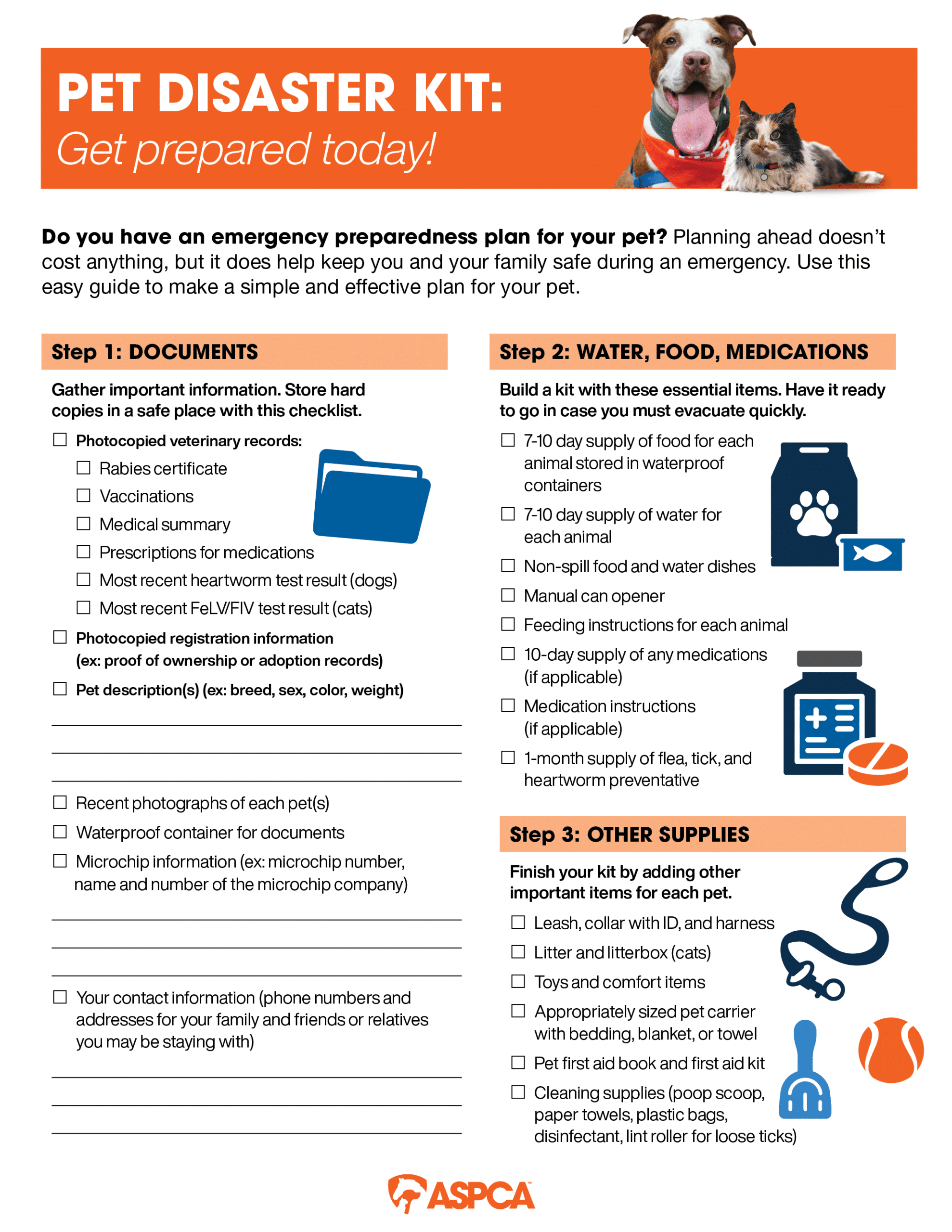
Finally, take proactive steps to minimize your dog’s exposure during future floods. As part of your emergency preparedness plan, stock up on supplies like bottled water, clean towels, and safe grooming products. Keep your dog’s vaccination records accessible and consult your veterinarian about additional preventative health measures tailored for flood-prone regions. Educate yourself on recognizing early signs of flood-related illnesses and ensure your pet’s microchip or ID tags are up-to-date in case evacuation becomes necessary. Being prepared and vigilant helps safeguard your dog’s health long after the floodwaters have subsided, ensuring they stay happy, healthy, and safe.
Conclusion
Washing your dog during an emergency flood may seem overwhelming, but with careful assessment, preparation, and safety precautions, it is achievable and vital for your pet’s health. Prioritize safety by evaluating environmental risks and your dog’s condition, then gather the right supplies and establish a secure, clean space for bathing. Follow a gentle, step-by-step process to clean and dry your dog thoroughly, and pay close attention to skin health and hydration afterward. Post-flood health checks and preventative measures will help keep your dog protected from infections and long-term health issues caused by contaminated waters.
Remember, your pet’s safety and comfort should always come first. Floods are unpredictable and dangerous, but your proactive approach to hygiene and health care can make a significant difference in your dog’s recovery and well-being. Regular veterinary visits, vaccinations, and preparedness plans are essential components of responsible pet ownership during natural disasters. By staying informed and vigilant, you can ensure that your furry friend remains safe, healthy, and happy—even in the face of a flood emergency.