


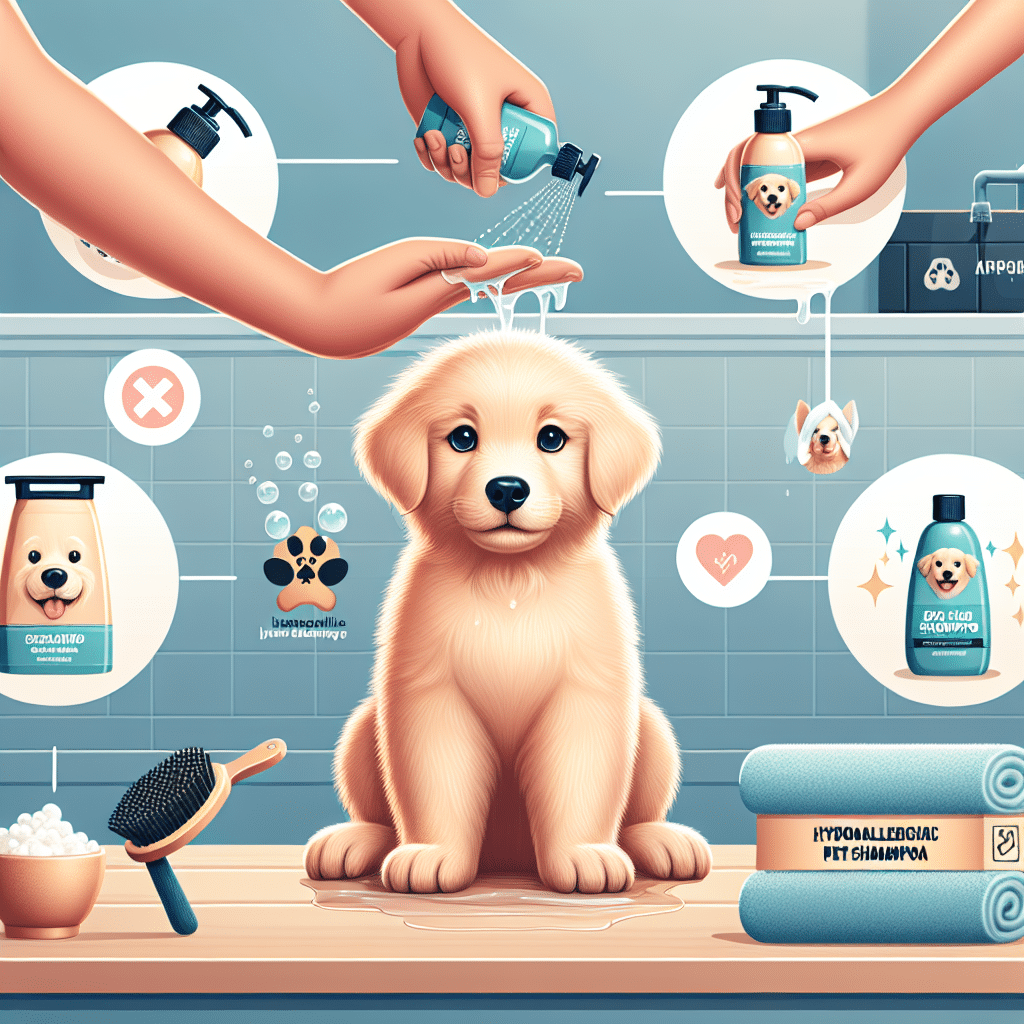
How to Wash Your Dog Safely Without Causing Skin Irritation
Bathing your dog is an essential part of maintaining their health and happiness, but it can also be a delicate process—especially if your furry friend has sensitive or allergy-prone skin. A wrong choice of shampoo, improper bathing techniques, or neglecting post-bath care can lead to skin irritation, redness, itching, or even infections. The good news is, with the right knowledge and a gentle approach, you can keep your dog clean and comfortable without risking skin problems.
In this article, we’ll explore how to wash your dog safely without causing skin irritation. From selecting the best shampoo for sensitive skin to post-bath soothing remedies, each section offers practical tips and expert insights to help you become a confident, caring pet parent. Whether you have a young puppy, an older dog, or a breed prone to skin issues, these guidelines will empower you to bathe your dog effectively while prioritizing their skin health.
Selecting the Right Dog Shampoo for Sensitive Skin
Choosing the perfect shampoo for your dog is the foundation of a safe and irritation-free bath experience. Not all shampoos are created equal, and what works for one dog might cause discomfort in another, especially if your pet has sensitive skin or allergies. Look for products that are specifically formulated for sensitive skin or dermatologically tested to minimize the risk of irritation.
When shopping for dog shampoo, consider ingredients that are gentle and nourishing. Natural ingredients like oatmeal, aloe vera, chamomile, and coconut oil can soothe itchy or inflamed skin and provide moisture without the harsh chemicals often found in standard shampoos. Avoid shampoos containing artificial fragrances, dyes, alcohol, parabens, or sulfates, as these can strip the skin of natural oils or cause allergic reactions.
Additionally, select a pH-balanced shampoo designed for dogs—cats and humans have different skin pH levels, and a product formulated for humans can disrupt your dog’s skin barrier. If your dog has specific skin conditions such as allergies, dermatitis, or seborrhea, consult your veterinarian for recommended medicated shampoos or special formulations tailored to address those issues. Remember, investing in a high-quality, gentle shampoo helps ensure your dog’s skin remains healthy, soft, and irritation-free after every bath.
Preparing Your Dog and Bathing Area for a Gentle Wash
Proper preparation is key to making bath time a positive experience for both you and your dog, especially if they have sensitive skin. Before starting the bath, brush your dog thoroughly to remove loose fur, dirt, and prevent mats that can trap water and lead to skin irritation. A clean, well-brushed coat ensures that the shampoo penetrates evenly and that you can see any skin issues like redness, bumps, or sores that might need special attention.
Create a calm and safe bathing environment by choosing a suitable location—either a bathtub, sink, or outdoor tub—where your dog feels secure. Use non-slip mats or towels to prevent slipping, which can cause stress or injury. Fill the bathing area with lukewarm water; water that’s too hot can strip natural oils and worsen dryness, while cold water can make the experience unpleasant. The ideal temperature is around 85°F to 90°F (29°C to 32°C).
Make sure all your supplies, including shampoo, towels, and any soothing products, are within arm’s reach before you start. This minimizes unnecessary movement and keeps your dog calm. If your dog is particularly anxious, consider using calming sprays or treats to create a relaxed atmosphere. Proper preparation not only protects your dog’s sensitive skin but also ensures a smoother, less stressful bath routine.
Proper Techniques for Washing a Dog to Minimize Skin Irritation
Using gentle, correct techniques during bath time is crucial for preventing skin irritation, especially for dogs with sensitive skin. Start by wetting your dog’s coat thoroughly with lukewarm water, avoiding the face and ears initially to prevent discomfort. When applying shampoo, use your fingertips or a soft cloth to gently massage the product into the coat, working from the neck down to the tail, and avoiding vigorous scrubbing that can damage the skin or cause inflammation.
Pay special attention to areas prone to irritation—such as the paws, underarms, groin, and around the ears. Be gentle around these sensitive zones, and consider using a diluted shampoo solution if your dog has very delicate skin. When rinsing, make sure to remove all shampoo residues, as leftover soap can cause dryness and itchiness. Use plenty of lukewarm water and double-check those hard-to-reach spots. Leftover shampoo can trap dirt and irritants against the skin, so thorough rinsing is essential.
Finally, dry your dog gently with a soft towel and avoid vigorous rubbing, which can cause skin abrasions or exacerbate existing sensitivities. If your dog tolerates it, a low-heat blow dryer on a cool setting can speed up drying, but keep it at a safe distance to prevent overheating or irritation. The key is to be patient, gentle, and attentive—your calm demeanor can also help your dog stay relaxed and reduce stress-related skin reactions.
Post-Bath Care and Skin Soothing Remedies for Sensitive Skin
After the bath, proper post-care can help maintain your dog’s skin health and prevent irritation. Pat your dog dry with a soft towel—avoid rubbing, which can irritate sensitive skin or damage the outer layer. If your dog has dry or flaky skin, applying a gentle, canine-specific moisturizer or soothing spray containing aloe vera or vitamin E can provide relief and lock in moisture. These products help restore the skin barrier and reduce itching or redness caused by bathing.
Observing your dog’s skin after each bath is essential, especially for signs of irritation, such as redness, swelling, or hot spots. If you notice any unusual symptoms, consult your veterinarian promptly to identify underlying issues and get suitable treatments. Regularly inspecting your dog’s skin and coat also helps you catch early signs of allergies or dermatitis, enabling swift intervention before problems worsen.
For dogs with ongoing skin sensitivities, incorporating natural remedies like coconut oil topically can offer additional soothing benefits. Coconut oil has antimicrobial and anti-inflammatory properties that help improve skin health and coat condition. Use it sparingly—apply a small amount to dry patches or affected areas. Remember, patience and consistency are key to nurturing sensitive skin, and working with your vet can help tailor post-bath routines that keep your dog comfortable and irritation-free.
Tips for Maintaining Healthy, Irritation-Free Dog Skin Between Baths
Prevention is always better than cure, and maintaining your dog’s skin health between baths can significantly reduce the risk of irritation. Regular brushing not only keeps the coat clean but also distributes natural oils evenly across the skin, promoting a healthy, shiny coat. Use gentle brushes suitable for your dog’s fur type and be careful around sensitive areas. Brushing also helps remove dirt, loose fur, and allergens that can accumulate and cause irritation over time.
Diet plays a vital role in skin health. Providing a balanced, high-quality diet rich in omega-3 fatty acids can improve skin barrier function and reduce inflammation. Consult your veterinarian to identify the best nutritional supplements or food options that support your dog’s skin health. Additionally, keeping your dog’s environment clean and free of potential irritants such as pollen, dust, or harsh cleaning chemicals can prevent allergic reactions or dermatitis.
Finally, consider incorporating natural skin care practices like regular ear cleaning and paw pad checks, especially if your dog goes outdoors frequently. Using hypoallergenic wipes or gentle rinses can help remove irritants and keep the skin and coat in optimal condition. Routine vet visits for skin assessments can also catch minor issues early, saving your dog from discomfort and more serious problems down the line. Consistent care and attention will help your furry friend stay happy, comfortable, and irritation-free.
Conclusion
Washing your dog safely without causing skin irritation involves a combination of choosing the right products, preparing properly, employing gentle techniques, and providing effective post-bath care. By selecting a mild, pH-balanced shampoo tailored for sensitive skin, you help protect your dog from common irritants and allergic reactions. Proper preparation of the bathing environment and your dog’s coat minimizes stress and damage to sensitive skin areas.
Applying gentle washing techniques ensures thorough cleaning without harsh rubbing or scrubbing, which can worsen irritation. Post-bath remedies like moisturizing and vigilant skin observation further support your dog’s overall skin health. Additionally, maintaining a consistent routine of grooming, balanced nutrition, and environmental management can prevent skin problems and keep your dog’s coat healthy and irritation-free.
Taking the time to understand your dog’s specific needs and adopting a gentle, informed approach will not only make bath time more pleasant but also promote enduring skin health. Remember, your attentive care and love are the best ingredients in keeping your furry friend comfortable, happy, and free from skin irritation.