


How to Wash Your Dog Safely Without Triggering Ear Mites
Bath time can be a bonding experience and an essential part of maintaining your dog’s health and hygiene. However, if your dog is prone to ear mites or has sensitive ears, bathing requires extra care. Ear mites are tiny parasites that live in the ear canal, causing itching, inflammation, and discomfort. If not handled properly, bathing can inadvertently worsen or trigger an ear mite infestation. This comprehensive guide will walk you through how to wash your dog safely without triggering ear mites, focusing on preparation, product selection, techniques, prevention tips, and post-bath ear care.
Whether you’re a seasoned pet owner or new to dog grooming, understanding how to protect your dog’s ears during bath time is crucial. Proper bathing techniques can prevent mites and other infections, ensuring your dog remains happy, comfortable, and healthy. Let’s dive into each step to help you become a confident, ear-conscious dog groomer.
Preparing for a Safe and Effective Dog Bathing Routine
Before you even turn on the water, preparation is key. Creating a calm, distraction-free environment will help your dog relax during the bath, reducing stress-related movements that might irritate their ears. Make sure you gather all necessary supplies beforehand—this includes dog shampoo, ear cleaning solutions, towels, and any specific grooming tools. Having everything within reach minimizes the need to leave your dog unattended, which is particularly important if your dog has a history of ear issues or ear mites.
Timing is also an important aspect of preparing for a safe bath. Choose a time when your dog is calm and not overly excited or tired. Avoid bath times right after meals to prevent nausea or discomfort. Additionally, ensuring the bathing area is secure and non-slip can prevent accidental slips or injuries, especially when your dog gets wet and potentially anxious. Use a sturdy, non-slip mat or towel in your bathing area to provide stability.
Finally, consider your dog’s individual needs and sensitivities. Some dogs are more prone to ear infections or mites and may require special handling or pre-treatment. If your dog has a history of ear problems, consult your veterinarian beforehand for personalized advice. This preparation stage sets the foundation for a stress-free, safe bathing experience that minimizes the risk of triggering ear mites or other ear-related issues.
Choosing the Right Ear-Friendly Dog Shampoo and Cleaning Products
Selecting the appropriate grooming products is essential when bathing a dog at risk of ear mite infestations. Look for shampoos and cleaning solutions labeled specifically as gentle, hypoallergenic, and suitable for sensitive skin. Products that are pH-balanced for dogs help maintain the natural oils of the skin and ears, preventing irritation that could compromise ear health.
When dealing with potential ear mites, avoid harsh chemicals or medicated shampoos unless prescribed by a veterinarian. Instead, opt for a mild, insect-repelling shampoo that contains ingredients like tea tree oil or neem oil, which are natural repellents for parasites. For cleaning the ears specifically, use a vet-recommended ear cleaner formulated to be gentle and safe for use in the ear canal. These products typically contain soothing agents such as glycerin or aloe vera to prevent dryness and irritation.
It’s also wise to steer clear of products containing alcohol, fragrances, or artificial dyes. These substances can irritate sensitive skin and exacerbate ear problems. Always read labels carefully and follow the manufacturer’s instructions. If you’re unsure which products are best suited for your dog’s specific needs, consult your veterinarian. Using the right, ear-friendly cleaning products helps prevent irritation and reduces the risk of triggering or worsening ear mite infestations during bath time.
Proper Techniques for Washing Your Dog Without Irritating Ear Canals
Proper bathing techniques are crucial to avoid disturbing your dog’s ears or pushing debris further into the ear canal. When washing your dog, start by carefully protecting their ears. You can do this by gently placing cotton balls in the ear openings—just enough to block debris or water from entering, but not so deep as to cause discomfort. Never insert cotton swabs into the ear canal, as this can damage the delicate structures inside and push mites or wax further in.
When applying shampoo, focus on the body and avoid the head and ears altogether. Use a damp cloth or sponge to gently clean the face area, steering clear of the ears. If necessary, use your hands or a soft cloth to wipe around the ears externally. When it’s time to rinse, pour water gently over the body, being cautious around the head and ears. Use a handheld showerhead if possible, as it allows better control and minimizes water contact with sensitive areas.
After rinsing, immediately dry your dog thoroughly with a towel or a pet-safe blow dryer set on low heat. Drying is especially important because moisture trapped in the ears can encourage mites, bacteria, or yeast growth. Always check that your dog’s ears are fully dry, and remove cotton balls carefully. Following these gentle, precise techniques helps prevent ear canal trauma and reduces the chance of triggering ear mites or other infections caused by water intrusion or irritation.
Tips for Preventing Ear Mite Infestations During and After Baths
Prevention is always better than cure, especially when it comes to ear mites. During bath time, avoid the use of shared or dirty towels, brushes, or grooming tools that could harbor mites or other parasites. Regularly disinfect grooming equipment and wash your dog’s bedding to minimize the risk of reinfestation. Using a vet-approved preventive ear cleaner after baths can also create a protective barrier, reducing the likelihood of mites taking hold.
Post-bath, inspect your dog’s ears carefully for signs of mites, such as excessive scratching, redness, foul odor, or dark, crusty debris. Regular ear checks can help catch problems early before they escalate. Applying a veterinarian-recommended ear cleaning solution periodically can help remove excess wax and debris, which are common breeding grounds for mites. Avoid over-cleaning, as excessive manipulation can cause irritation and compromise ear defenses.
Additionally, consider environmental factors—keep your dog away from areas with high mite populations, such as outdoor kennels, wooded areas, or places with lots of leaf litter. Maintaining good hygiene, ensuring your dog’s ears stay dry, and using preventive products as advised by your vet are effective strategies. These proactive measures can significantly decrease the chances of ear mite infestation during bathing routines and beyond.
Post-Bath Ear Care and Monitoring Your Dog’s Ear Health
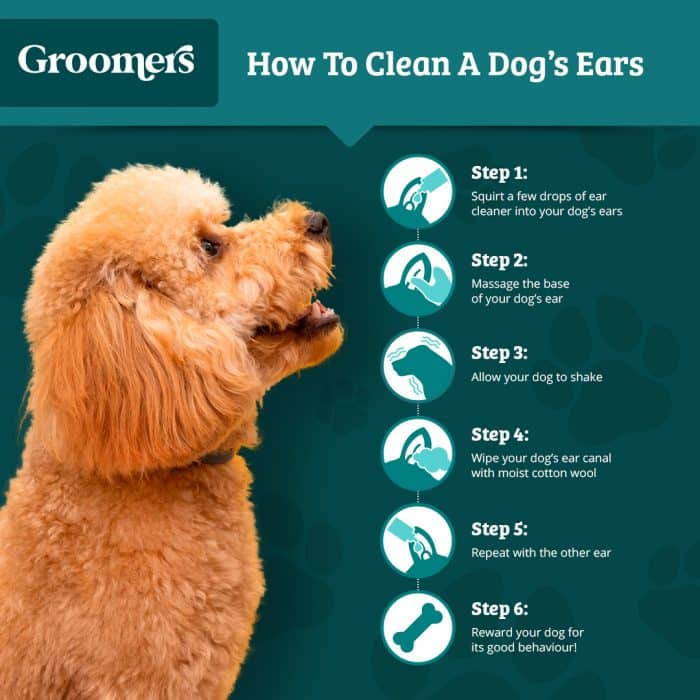
Once your dog is dry, don’t forget to give their ears special attention. Gently wipe the external ear area with a soft cloth or cotton pad soaked in an ear-cleaning solution to remove residual debris and excess moisture. This step helps prevent the conditions that favor mites and bacterial growth. Always use products recommended by your veterinarian to ensure safety and effectiveness.
Monitoring your dog’s ears on a regular basis is crucial for early detection of ear mites or other ear-related problems. Look for signs such as frequent head shaking, scratching at the ears, redness, swelling, or unusual discharge. If you notice any of these symptoms, schedule a visit with your veterinarian promptly. Early intervention can prevent more serious infections or infestations, reducing discomfort for your dog.
Finally, keeping a consistent ear health routine—cleaning, inspecting, and using preventive treatments as necessary—will help your dog stay comfortable and free from ear mites. Educate yourself on what healthy ears look like compared to those affected by mites or infections. With attentive care and proper hygiene practices, you can enjoy bath times while safeguarding your dog’s ear health, ensuring they stay happy, healthy, and mite-free.
Conclusion
Bathing your dog safely while preventing ear mite infestations requires a combination of proper preparation, gentle product selection, careful techniques, and ongoing prevention. By protecting your dog’s ears during baths—using cotton balls, choosing the right shampoos, and drying thoroughly—you minimize the risk of water or debris triggering mites or other ear issues. Regular inspection and preventive ear care post-bath will keep your furry friend comfortable and healthy.
Remember, consistency is key. Incorporate these tips into your grooming routine and maintain open communication with your veterinarian, especially if your dog has a history of ear problems. With patience, knowledge, and the right tools, you can make bath time a safe, enjoyable experience that keeps your dog’s ears in tip-top shape. Healthy ears contribute greatly to your dog’s overall well-being and happiness—so take the time to care for them properly!