


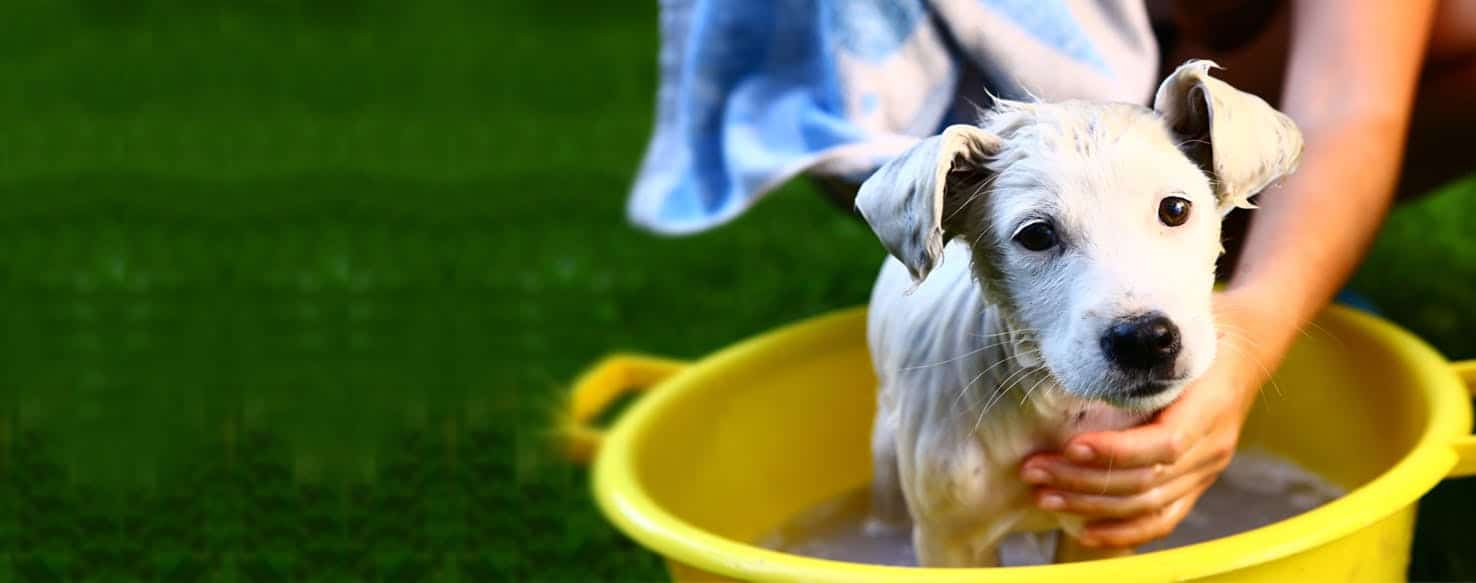
How to Wash Your Dog Using a Bucket and Cup: Easy Tips for a Clean Pet
Giving your dog a bath can sometimes feel like a daunting task—especially if your furry friend is not a fan of water. However, with the right approach and a few simple tools like a bucket and cup, you can turn bath time into a manageable, even enjoyable, experience for both you and your pet. This method is particularly helpful for small dogs, senior pets, or those who dislike traditional bath setups involving large tubs or showers. In this article, we’ll walk you through everything you need to know—from preparing your dog and bathing area to post-bath care—so you can keep your pet clean, comfortable, and happy with minimal fuss.
Preparing Your Dog and Bathing Area for Easy Washing
The first step toward a successful dog bath is preparation. Ensuring your dog is comfortable and your bathing area is safe will significantly reduce stress for everyone involved. Before you start, consider your dog’s temperament—if they are anxious or easily startled, set the stage with a calm, quiet environment. Spend some time getting your dog used to the area by allowing them to explore and sniff around, which helps reduce anxiety and creates a sense of familiarity. Additionally, brushing your dog’s coat before the bath can remove loose hair and mats, making the washing process more effective and comfortable.
Creating a designated bathing spot that is easily accessible and secure is crucial. A sturdy, non-slip surface is ideal to prevent slipping and injuries during the bath. If you’re using a bathtub or a basin, place a rubber mat or towel at the bottom to provide traction. Clear away any clutter or sharp objects that could cause harm, and have all your supplies within easy reach—this prevents unnecessary movement and keeps the experience smooth. If outdoors, choose a shaded, sheltered spot to shield your dog from direct sunlight or wind, which can make the bath less stressful. Remember, a calm, well-prepared environment helps set the tone for a positive bathing experience.
Finally, consider your dog’s individual needs—some dogs are more sensitive to temperature or noise. Fill your bucket with lukewarm water (around 90-100°F or 32-38°C), as water that’s too hot or cold can be uncomfortable or even harmful. Keep in mind that some dogs are prone to fear of water, so a gentle, reassuring approach and a relaxed atmosphere are key. Preparing a few treats or toys nearby can also help motivate your dog and reward calm behavior during the bath, making the overall process easier for both of you.
Gathering and Using the Right Supplies for Washing Your Dog with a Bucket and Cup
Having the right supplies ready before you start will make the entire bathing process much smoother. For a bucket and cup bathing method, basic supplies include a sturdy, clean bucket, a cup or small watering can for pouring water, dog-friendly shampoo, a soft brush, and drying towels. It’s also helpful to have a no-rip bathing mat or towel to prevent slipping, as well as a spray bottle for applying water or rinsing if needed. Using dog-specific shampoos is vital—they are formulated to be gentle on your pet’s skin and coat, avoiding irritation or allergic reactions. Avoid human shampoos, which can disrupt the natural balance of a dog’s skin.
When selecting a shampoo, consider your dog’s coat type and any skin conditions. For instance, if your dog has sensitive skin, opt for hypoallergenic or medicated shampoos recommended by your veterinarian. To prevent water spillage and mess, choose a sturdy, large-capacity bucket that can hold enough water for a thorough rinse, but isn’t too heavy to lift comfortably. A small cup or container helps control the amount of water poured at a time, giving you better control and reducing the chance of startling your dog. Keep a few extra towels nearby to wipe away excess water or to dry your dog after the bath.
Always test the temperature of the water before starting—lukewarm water is best, as it’s comfortable and helps relax your dog. When using the cup for rinsing, pour gently, aiming to avoid splashing into your dog’s face or ears. Additionally, having a leash or harness attached during the process can help keep your dog steady and prevent sudden movements. Remember, patience is key—gathering all your supplies beforehand allows you to focus on your dog’s comfort and safety during the bath.
Step-by-Step Guide to Washing Your Dog Using a Bucket and Cup Technique
Once you’ve prepared your bathing area and gathered supplies, you’re ready to start the actual washing process. Begin by gently placing your dog in the bathing spot, securing them if necessary with a leash or harness. Use a calm voice and gentle strokes to reassure your pet, creating a positive association with bath time. Start by wetting your dog’s coat with a small amount of water from the cup, focusing on the neck and back, and gradually work your way down. Pour slowly and evenly to prevent startling your dog with sudden splashes, maintaining a relaxed demeanor throughout.
Next, apply a dog-friendly shampoo, lathering gently and thoroughly into your dog’s coat. Pay attention to areas that tend to collect dirt or oils, such as behind the ears, under the legs, and around the paws. Use your fingers or a soft brush to help distribute the shampoo evenly and loosen dirt or debris. When it’s time to rinse, use the cup or watering can to pour clean, lukewarm water over your dog, starting from the head and working downwards. Be careful to avoid getting water in the ears, eyes, or nose—use a damp cloth to wipe the face if necessary. Rinse until the water runs clear, ensuring no soap residue remains, which can cause itching or irritation.
Once your dog is thoroughly rinsed, gently squeeze out excess water and proceed to drying. Use a towel to pat the coat—don’t rub vigorously, as this can cause tangling or discomfort. If needed, you can repeat the rinsing process for stubborn areas or reapply shampoo if your dog is particularly dirty. Throughout the process, keep talking softly and offering treats or praise to help your dog associate bath time with positive experiences. Patience and consistency are essential—your dog will become more comfortable with each bath when handled gently and calmly.
Tips for Ensuring a Comfortable and Stress-Free Bathing Experience
Making bath time a positive experience for your dog involves more than just the right technique; it’s about creating an environment that minimizes stress and promotes trust. Start by choosing a calm, quiet moment for the bath, avoiding noisy or chaotic times when your dog might already be anxious. Speaking softly, using a reassuring tone, and offering treats throughout the process can help your pet stay relaxed and cooperative. Additionally, take breaks if your dog begins to show signs of stress—pause, offer comfort, and resume when they seem calmer. Over time, these gentle approaches will help your dog associate baths with positive feelings.
Another helpful tip is to keep the bathing session brief and focused. For dogs that dislike water, prolonging the bath can increase anxiety; instead, aim for a quick yet thorough cleaning, emphasizing praise and treats afterward. Using lukewarm water and a gentle touch will also enhance comfort, as cold or hot water can be startling or uncomfortable. If your dog is particularly fearful, consider desensitization exercises—gradually introducing water in small, positive steps can build confidence over time. Remember, patience and consistency are key; never force a dog into a bath if they’re panicked, as this can cause long-term fear.
Finally, making the environment inviting after the bath can turn a potentially stressful activity into a bonding moment. Offer your dog a favorite toy or a cozy blanket immediately after drying, and continue praising their good behavior. Keep the area warm and free of drafts, especially if your dog is small or has a thin coat. Avoid rushing the drying process—use a towel first, then if your dog tolerates it, a blow dryer with a low, cool setting. Most importantly, stay calm and patient—you’re setting the tone for your dog’s future bath experiences, and a gentle, reassuring approach can make all the difference in ensuring they enjoy a clean and stress-free grooming routine.
Post-Bath Care and Drying Tips for Your Dog’s Skin and Coat Health
After your dog’s bath, proper drying and post-bath care are crucial for maintaining healthy skin and a shiny coat. Pat your dog dry with a soft towel—rubbing vigorously can cause tangles and discomfort, especially for long-haired breeds. For dogs with thick or double coats, gently squeezing out excess water before towel drying saves time and helps prevent skin issues caused by lingering moisture. If your dog tolerates it, a blow dryer on a cool or low heat setting can speed up the process, but always keep the dryer at a safe distance to avoid burns or overheating. The key is to ensure your pet is completely dry, particularly in colder weather, to prevent chills or skin infections.
Moisturizing your dog’s skin after a bath can help restore natural oils and prevent dryness or irritation. Using a veterinarian-recommended dog conditioner or skin spray can support coat health, especially if your pet has sensitive or flaky skin. Regular brushing after drying not only detangles the coat but also distributes natural oils, keeping the skin moisturized and the coat glossy. For dogs prone to skin conditions, consider adding omega-3 fatty acids or supplements to their diet—consult your vet for personalized recommendations. Remember, a clean, dry coat reduces the likelihood of bacterial or fungal infections, so thorough drying is essential.
Lastly, monitor your dog’s skin and coat regularly post-bath. Look for signs of irritation, redness, or unusual dryness that may require veterinary attention. Keep your dog in a warm, draft-free environment until they are fully dry, especially in winter months. Regular grooming sessions, including bathing and brushing, will help maintain your dog’s overall coat health and prevent issues like mats, parasites, or skin infections. Incorporating these post-bath care tips into your routine ensures your pet remains healthy, comfortable, and looking their best, making future baths easier and more pleasant for everyone involved.
In Conclusion
Bathing your dog using a bucket and cup is an effective, affordable, and gentle way to keep your pet clean—especially if your dog is small, anxious, or prefers a less overwhelming setup. Proper preparation, gathering the right supplies, and following a step-by-step process will make the experience easier and more enjoyable for both of you. Remember, patience and a calm environment are your best tools for turning bath time into a bonding opportunity rather than a stressful chore. Post-bath care, including thorough drying and coat maintenance, plays a vital role in promoting your dog’s skin and coat health, ensuring they stay comfortable and happy. So next time it’s time for a wash, try these tips and enjoy a fresh, clean, and contented pet!