


How to Wash Your Dog While Camping in the Wild: Easy Tips and Tricks
Camping with your furry friend can be an incredibly rewarding experience—exploring nature together, sharing adventures, and creating lifelong memories. However, when it comes to maintaining your dog’s hygiene in the wild, things can get tricky. Unlike at home, where you have easy access to tap water and grooming supplies, outdoor settings demand a bit more creativity and preparation. Whether your pup loves to roll in mud, chase after wildlife, or just gets dirty during adventures, knowing how to properly wash your dog while camping ensures they stay healthy, comfortable, and happy.
In this guide, we’ll walk you through everything you need to know—from prepping your gear to choosing the right spot, step-by-step washing techniques, drying methods, and how to keep your dog clean and safe during outdoor adventures. With these easy tips and tricks, you’ll be able to give your dog a proper bath in the wild without stress or mess, making your camping trip even more enjoyable for both of you.
Preparing for a Dog Bath in the Wild: Essential Gear and Safety Tips
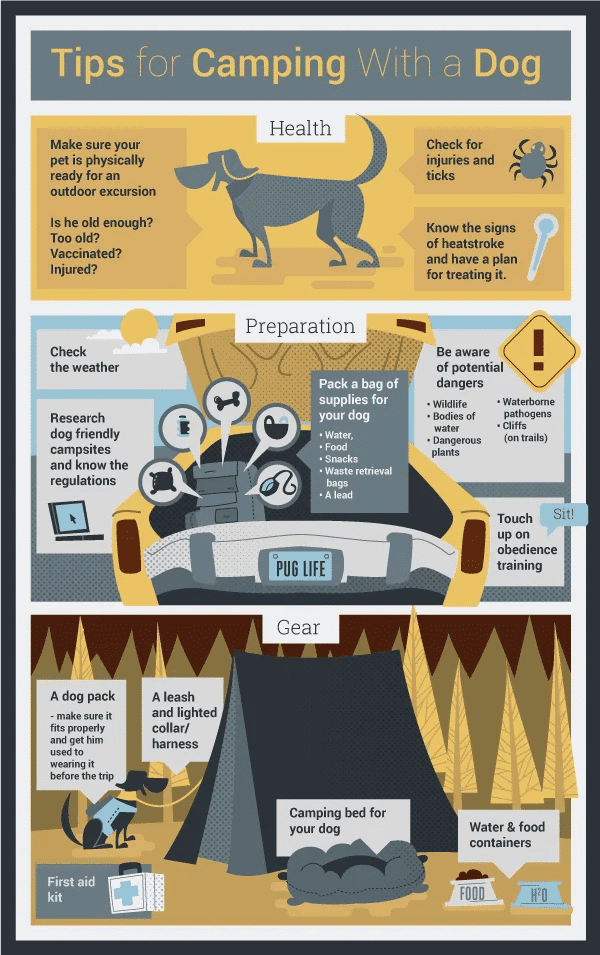
Before you set out for your camping trip, it’s crucial to pack the right gear to make bathing your dog manageable and safe. The first item on your list should be a portable water container—like a collapsible bucket or a large jug—so you can have access to clean water wherever you are. Consider bringing biodegradable dog-friendly shampoo, which is safe for the environment and gentle on your pet’s skin. Additionally, having a brush or comb handy helps remove loose fur and dirt before and after the wash, making the bathing process smoother.
Safety should always come first. Always check that the water source is clean and free from harmful bacteria or chemicals, especially when sourcing water from streams or lakes. Use water that is as clean as possible, and avoid any stagnant or polluted water bodies. It’s also wise to carry a towel or drying cloth designed for pets, along with some eco-friendly wipes for quick cleanups if needed. Keep your dog on a leash or harness during bath time to prevent sudden escapes or encounters with wildlife, and never leave your dog unattended near water sources to prevent accidental drowning or wildlife interference.
Finally, consider your dog’s health and temperament. If your pet has sensitive skin, allergies, or skin conditions, consult your veterinarian before the trip to get recommendations on safe products and bathing frequency. For anxious dogs, bring along treats and calming aids to help them stay relaxed during the process. Remember, outdoor bathing can be a new experience for many dogs, so patience, gentle handling, and positive reinforcement are key to making it safe and stress-free.
Selecting the Right Location and Environment for Washing Your Dog Outdoors
Choosing the perfect spot for washing your dog in the wild can significantly impact the ease and safety of the process. Look for a flat, stable area that’s free from sharp rocks, thorns, or other hazards that could injure your dog during bathing. A location close to a water source like a stream, lake, or river is ideal, but ensure the water is clean and free from pollution. If possible, set up a natural or portable barrier—such as a tarp or a foldable privacy shelter—to create a designated washing station, helping contain splashes and keep dirt away from camping gear.
The environment should be relatively calm and away from high-traffic areas or wildlife corridors, reducing the risk of startling other animals or your dog getting overwhelmed. Avoid windy or excessively hot days, as strong winds can disturb your dog and cause stress, while direct sunlight can cause your pup to overheat during the bath. Early morning or late afternoon are often ideal times for outdoor washing—when temperatures are cooler and wildlife activity is lower. Additionally, consider the proximity to your sleeping and eating areas to minimize mess and maintain hygiene standards.
Another important factor is accessibility to dry land and shelter. If you’re near water, ensure there’s a safe way for your dog to get out of the water and onto dry ground once the bath is over. This can be as simple as a gentle slope or a sturdy patch of grass. Having a plan for quick drying—like access to towels or sheltered spots—will make cleanup easier. When selecting your location, prioritize safety, convenience, and minimizing environmental impact to ensure a smooth bathing experience that keeps both your dog and the surrounding ecosystem safe and happy.
Step-by-Step Guide to Washing Your Dog While Camping in the Wilderness
When you’re ready to give your dog a bath in the wild, a systematic approach helps make the process efficient and less stressful for your pet. Start by securing your dog on a leash or harness to maintain control during the bath. Begin by brushing your dog thoroughly to remove loose fur, dirt, and mats—this step makes the actual washing process more effective and quicker. Use the water container to moisten your dog’s coat gently, avoiding the head and ears initially to prevent water from entering sensitive areas.
Next, apply a small amount of biodegradable dog shampoo, lathering it evenly across your pet’s body. Be gentle when scrubbing—use your hands or a sponge to clean all areas, paying special attention to paws, underbelly, and areas that tend to trap dirt or mud. Rinse thoroughly with clean water, ensuring no shampoo residue remains, as leftover soap can cause irritation or dryness. If your dog gets particularly dirty or smelly, you can repeat the shampooing process, but avoid excessive washing to prevent skin dryness.
Once the bathing is complete, gently squeeze out excess water from your dog’s coat and use your towel to pat them dry. If possible, allow your dog some time to shake off water naturally—most dogs enjoy this—and then proceed with towel drying or using a portable fan if available. Throughout the process, keep an eye on your dog for signs of stress or discomfort, and offer treats and praise to create a positive experience. Remember, patience and calm handling are essential to making outdoor bathing a safe and enjoyable part of your camping adventure.
Ensuring Proper Drying and Post-Bath Care in Remote Settings
Drying your dog thoroughly after an outdoor bath is crucial to prevent chills, skin irritation, and discomfort—especially in cooler or damp environments. If you’re in an area with access to sunlight, allow your dog to bask in the sun for natural drying, but always monitor closely to prevent overheating. Use a large, absorbent towel to gently pat your dog dry, focusing on controlling moisture around the ears, paws, and belly where dampness lingers longer. For added efficiency, bring along a portable pet dryer or a rechargeable hand-held fan, which can speed up the process and ensure your dog is completely dry before heading back to camp.
Post-bath, inspect your dog’s skin for any signs of irritation, cuts, or unusual redness—outdoor environments can sometimes lead to minor scrapes or irritations. Regularly apply dog-safe, natural moisturizer or soothing sprays if your pet has sensitive skin, especially after exposure to wind or sun. Keep your dog warm and comfortable by providing a cozy, dry blanket or bed in your tent or shelter, and monitor their behavior for signs of chills or stress. Hydration is also important—offer fresh water to help your dog recover from the bath and stay energized for the rest of your outdoor adventure.
Don’t forget to clean and pack away your bathing supplies after use, especially biodegradable shampoos and wipes, to minimize your environmental footprint. Establishing a simple post-bath routine not only keeps your dog hygienic but also reinforces positive associations with outdoor bathing. With proper drying and care, your dog will be comfortable, healthy, and ready for more wilderness adventures, ensuring your camping trip remains an enjoyable and safe experience for both of you.
Maintaining Your Dog’s Hygiene and Preventing Wildlife Encounters During Camping
Keeping your dog clean and safe goes beyond just bathing—regular brushing, paw cleaning, and hygiene checks are vital during your outdoor adventure. Schedule routine brushings to remove loose fur, dirt, and parasites like ticks and fleas, especially after hikes through tall grass or wooded areas. Carry eco-friendly wipes and paw cleaners to quickly refresh your dog’s coat and pads, reducing the amount of dirt and mud tracked into your tent or sleeping area. Maintaining a clean dog reduces the chances of attracting unwanted wildlife or pests that might be drawn to dirt, food residues, or scent trails.
Preventing wildlife encounters is essential for your dog’s safety and for preserving the natural environment. Keep your dog on a leash at all times when outside your immediate campsite, and avoid letting them roam freely, especially near dense vegetation or wildlife habitats. Be mindful of your dog’s scent—consider using natural odor-neutralizing sprays or wipes to mask strong smells that can attract predators or curious animals. Store your food, trash, and scented items securely, ideally in bear-proof containers or elevated areas, to prevent invasive wildlife from approaching your campsite or your dog.
Finally, stay vigilant about your dog’s health and behavior throughout your camping trip. Regularly check for ticks or signs of wildlife interference, like scratches or unusual behavior. Educate yourself on local wildlife species and their behaviors to better anticipate potential risks. A proactive approach to hygiene and wildlife prevention not only keeps your dog safe but also helps protect the fragile ecosystem around you. By maintaining cleanliness and awareness, you’ll ensure your outdoor adventure remains fun, safe, and environmentally responsible.
Conclusion
Camping with your dog in the wild offers unparalleled adventure and bonding opportunities, but it requires a bit of extra planning—especially when it comes to keeping your furry friend clean and healthy. Proper preparation of essential gear, choosing the right environment, and following a step-by-step washing routine can make outdoor bathing a manageable and enjoyable part of your trip. Remember, safety comes first—use clean water, gentle products, and secure your dog during the process. After the bath, thorough drying and good hygiene practices help prevent discomfort and health issues, ensuring your dog remains happy and comfortable in the wilderness.
Maintaining your dog’s hygiene and preventing wildlife encounters are integral to a successful camping experience. Regular grooming, scent control, and secure food storage all contribute to a safe environment for your pet and the local ecosystem. With these easy tips and tricks, you’ll be well-equipped to keep your dog clean, safe, and happy during your outdoor adventures. So pack smart, stay prepared, and enjoy exploring the great outdoors with your best friend by your side!