

How to Wash Your Dog Without Access to Clean Water: Easy Tips and Tricks
Caring for your furry friend involves keeping them clean and healthy, but what happens when access to clean water is limited or unavailable? Whether you’re camping, traveling in remote areas, or facing an emergency situation, washing your dog without traditional water sources can seem daunting. Luckily, there are practical methods and alternative solutions that can help maintain your dog’s hygiene without compromising their comfort or your peace of mind. This article explores how to effectively clean your dog when clean water isn’t readily accessible, offering easy tips and tricks to ensure your pet remains fresh, healthy, and happy.
Understanding the Challenges of Washing a Dog Without Access to Clean Water
Cleaning your dog without access to clean water presents unique hurdles that require thoughtful approaches. Dogs are naturally curious and often get dirty quickly—mud, dirt, and outdoor debris can cling to their fur, making hygiene a priority. However, without proper water, traditional bathing methods aren’t feasible, leading to concerns over odor, skin health, and overall comfort. This situation underscores the importance of understanding the specific challenges involved.
One major challenge is maintaining skin and coat health when water-based baths are limited. Water helps remove dirt, oil, and potential parasites from your dog’s coat, and the absence of it can lead to skin irritation or infestations over time. Additionally, dogs with thick or long coats particularly benefit from regular baths, and skipping this step might cause matting or skin infections. Furthermore, dogs often resist being cleaned when they’re uncomfortable or cold, so a waterless approach must be gentle and inviting to avoid stress.
Another obstacle is preventing the spread of germs and odors. Without regular washing, bacteria and fungi may proliferate, especially in humid or dirty environments, leading to unpleasant smells or skin issues. It’s also essential to consider your dog’s individual needs—some breeds are more prone to skin conditions that require special attention. Lastly, environmental factors such as limited water access, ongoing droughts, or living in remote areas heighten the importance of adopting water-efficient cleaning methods without sacrificing hygiene standards.
Preparing Your Dog and Environment for a Water-Conscious Bath
Before diving into alternative cleaning methods, proper preparation is key to a successful and stress-free experience. First, create a calm, comfortable environment that helps your dog associate the process with positive sensations. Use soothing voice commands, treats, or favorite toys to encourage cooperation and reduce anxiety. It’s also helpful to gather all necessary supplies beforehand—such as waterless shampoos, wipes, towels, and brushes—so you can work efficiently and smoothly.
Next, consider your dog’s coat and skin condition to choose the most suitable cleaning approach. For example, dogs with sensitive skin may require hypoallergenic products, while those with thick fur might benefit from a thorough brushing before cleaning to remove loose hair and debris. Brushing also helps to loosen dirt and distribute natural oils, which can make subsequent cleaning more effective. Additionally, trimming long hair around the ears, paws, and underarms can prevent dirt accumulation and make the cleaning process quicker and more comfortable.
Finally, setting the stage for a waterless bath involves ensuring the environment is clean and free from hazards. Use a well-ventilated space to keep your dog comfortable, and avoid overly cold or hot temperatures. If you’re outdoors, choose a shaded area away from direct sunlight. Keep waterless cleaning products accessible within arm’s reach, and prepare a towel or drying cloth for quick cleanup during and after the process. Proper preparation helps your dog stay relaxed, minimizes mess, and ensures the cleaning method is as effective as possible.
Effective Alternative Cleaning Methods for Dogs Without Clean Water
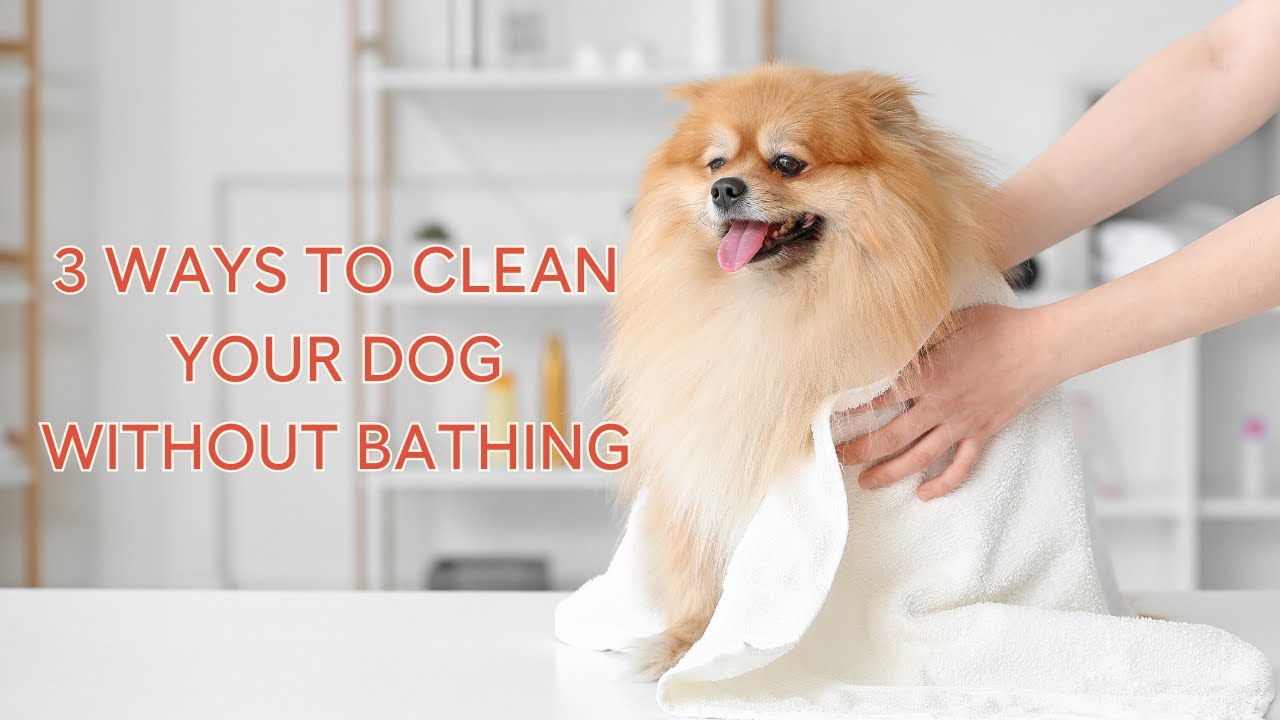
When water isn’t available, there are several effective alternatives to traditional baths that can keep your dog clean and comfortable. Waterless shampoos, also known as dry shampoos, are specially formulated sprays or powders containing natural cleansers that absorb dirt and oils. These products are easy to apply—simply spray or sprinkle onto your dog’s coat, massage gently, and then brush through to remove dirt. They’re especially useful for quick refreshes and are available in various formulations tailored for sensitive skin or specific coat types.
Another practical method involves dog grooming wipes or moist cloths. These are pre-moistened with mild, dog-safe cleansers that can be used to wipe down your pet’s body, face, paws, and behind the ears. Wipes are particularly handy for spot cleaning or when your dog only needs a quick refresh after outdoor activities. For a deeper clean, you can use a damp, soft microfiber cloth or sponge—just ensure it’s clean and free of harsh chemicals. Be gentle around sensitive areas to avoid irritation, and always follow up with a brush to restore smoothness and remove loosened dirt.
Lastly, natural cleaning solutions like diluted apple cider vinegar, witch hazel, or baking soda can be employed with caution to help deodorize and clean your dog’s coat. These can be applied with a spray bottle or cloth, but it’s vital to research and test on small areas first to prevent irritation. Combining these methods with regular brushing and spot cleaning can significantly extend the intervals between traditional baths, effectively maintaining hygiene with minimal water usage. Remember, consistency and gentle handling are key to keeping your dog comfortable and hygienic.
Using Waterless and Water-Saving Products to Maintain Dog Hygiene
Waterless and water-saving products are revolutionizing pet grooming, offering safe, effective solutions for maintaining cleanliness without the need for traditional baths. These products typically contain natural cleansers, moisturizers, and deodorizing agents designed specifically for dogs. When choosing a waterless shampoo, look for formulas free from harsh chemicals, artificial fragrances, or alcohols that could cause skin irritation. Brands often include ingredients like aloe vera, oatmeal, or coconut oil to soothe and nourish the skin while providing effective cleaning.
Applying waterless products is straightforward—spray or apply the product directly onto your dog’s coat, focusing on areas prone to dirt or odor build-up. Gently massage the product into the fur and skin to loosen dirt and oils, then brush thoroughly to remove loosened debris. Many products also double as deodorizers, neutralizing unpleasant smells and leaving your dog feeling fresh and clean. Regular use of these products can significantly reduce the frequency of water-based baths, especially for pets that dislike water or in situations where water isn’t available.
In addition to sprays and shampoos, consider using dog-safe grooming powders or dry shampoos. These powders absorb excess oil and dirt, making it easy to refresh your dog’s coat between baths. They also help distribute natural oils, giving the coat a healthy shine. Using these products consistently, combined with routine brushing, can maintain your dog’s hygiene, reduce odors, and support overall skin health. Keeping an eye on ingredient lists and choosing high-quality, vet-approved products will ensure your dog’s safety and comfort while effectively managing hygiene with minimal water.
Tips for Ensuring Safe and Comfortable Dog Bathing in Limited Water Conditions
When bathing your dog without access to plenty of water, prioritizing safety and comfort is essential. Start by making the experience positive—use treats, praise, and gentle handling to help your dog associate cleaning with reward and affection. Pay close attention to your dog’s body language; if they seem stressed or frightened, take a break and try again later. Ensuring a calm environment minimizes anxiety and makes the process smoother for both of you.
Temperature regulation is also critical. If you’re using damp cloths or sprays, ensure the products are at a comfortable temperature—lukewarm rather than hot or cold—and avoid exposing your dog to extreme temperatures. Keep the room well-ventilated and avoid prolonged contact with substances that could irritate the skin. For dogs prone to skin sensitivity, always test new products on a small patch first to check for reactions. Remember to be gentle when cleaning around sensitive areas such as the face, ears, and genitals to prevent discomfort or injury.
Finally, after cleaning, ensure your dog is thoroughly dried and kept warm to prevent chills. Use a soft towel to pat them dry and consider using a pet-friendly blow dryer on a low, cool setting if your dog tolerates it. Regular brushing after cleaning helps distribute natural oils, remove loose fur, and keep the coat smooth. Also, monitor your dog’s skin for signs of irritation or infection, especially if you’re using alternative cleaning methods. With patience, gentle care, and the right products, you can effectively maintain your dog’s hygiene even in water-scarce situations, ensuring they stay comfortable, healthy, and happy.
Conclusion
Keeping your dog clean and healthy without access to clean water might seem challenging at first, but with the right knowledge and tools, it’s entirely achievable. Understanding the specific challenges, preparing your environment, and choosing suitable alternative cleaning methods are all crucial steps in this process. Waterless shampoos, grooming wipes, natural solutions, and water-saving products provide safe, effective ways to maintain hygiene, reduce odors, and prevent skin issues. Most importantly, prioritizing your dog’s comfort and safety ensures that the cleaning experience is positive for both of you.
In today’s world, where water conservation is increasingly important, adopting these water-conscious grooming techniques not only benefits your pet but also contributes to environmental sustainability. Remember, consistency and gentle handling are key to making these methods work smoothly. Whether you’re traveling, in a drought-prone area, or just looking for easier ways to care for your dog, these tips will help you keep your furry friend fresh and healthy, no matter the circumstances.