

How to Wash Your Dog Without Agitating Dry Paws: Expert Tips
Giving your dog a bath is an essential part of grooming that keeps them clean, healthy, and happy. However, for dogs with dry or sensitive paws, bath time can sometimes cause discomfort or worsen dryness if not done carefully. Paws are particularly susceptible to irritation because they are constantly exposed to rough surfaces, weather elements, and sometimes harsh cleaning products. If your furry friend often suffers from dry, cracked paws, knowing how to wash them gently and effectively is key to maintaining their comfort and health.
This comprehensive guide will walk you through everything you need to know—starting from preparing your dog for a gentle wash, choosing suitable products, mastering proper bathing techniques, ensuring effective drying, and providing ongoing paw care. By following these expert tips, you can turn bath time into a soothing experience that preserves your dog’s paw health and keeps them comfortable long-term.
Preparing Your Dog for a Gentle Wash to Protect Dry Paws
Before diving into the bath, taking the right preparatory steps can make a significant difference in how your dog reacts to the experience and how well their paws are protected. First, ensure your dog is calm and relaxed—an anxious or stressed dog is more likely to react poorly to bathing, which can inadvertently lead to paw irritation. Use gentle praise or treats to create a positive association with bath time, helping your dog feel safe and secure.
It’s also important to inspect your dog’s paws thoroughly before washing. Look for any signs of cracks, redness, swelling, or bleeding, which indicate existing irritation or injury. If you notice issues, consider consulting your veterinarian before bathing, as some problems require specialized treatment. During the inspection, gently trim away any excessive hair around the paws and between the toes, as matted hair can trap dirt and moisture, worsening dryness or irritation.
Finally, prepare all bathing essentials beforehand—such as lukewarm water, a mild shampoo suitable for sensitive skin, soft towels, and paw moisturizers. This prevents rushing during the process and minimizes the time your dog spends in potentially uncomfortable conditions. Remember, a calm, prepared approach helps your dog associate bath time with comfort rather than stress, reducing the likelihood of paw agitation.
Selecting the Right Dog Shampoo for Sensitive and Dry Paws
Choosing the appropriate dog shampoo is crucial when washing dogs with dry or sensitive paws. Not all shampoos are created equal—some contain harsh chemicals, fragrances, or detergents that can strip natural oils, leading to further dryness and irritation. Opting for a gentle, hypoallergenic formula designed specifically for sensitive skin is your best bet to protect their paws during cleansing.
Look for shampoos labeled as "pH-balanced" and "moisturizing," as these are formulated to maintain your dog’s natural skin barrier. Ingredients like oatmeal, aloe vera, or coconut oil are often included in such products because of their soothing and hydrating properties. Additionally, some shampoos contain colloidal oatmeal or ceramides, which help repair and reinforce the skin’s natural barrier, providing relief for dry and cracked paws.
Be cautious with shampoos that have strong fragrances or artificial dyes, as these can cause allergic reactions or further dryness. Always read the label carefully, and when in doubt, consult your veterinarian for product recommendations tailored to your dog’s specific needs. Using the right shampoo not only cleans effectively but also helps preserve paw skin health and prevents aggravating existing dryness.
Proper Bathing Techniques to Minimize Paw Irritation and Discomfort
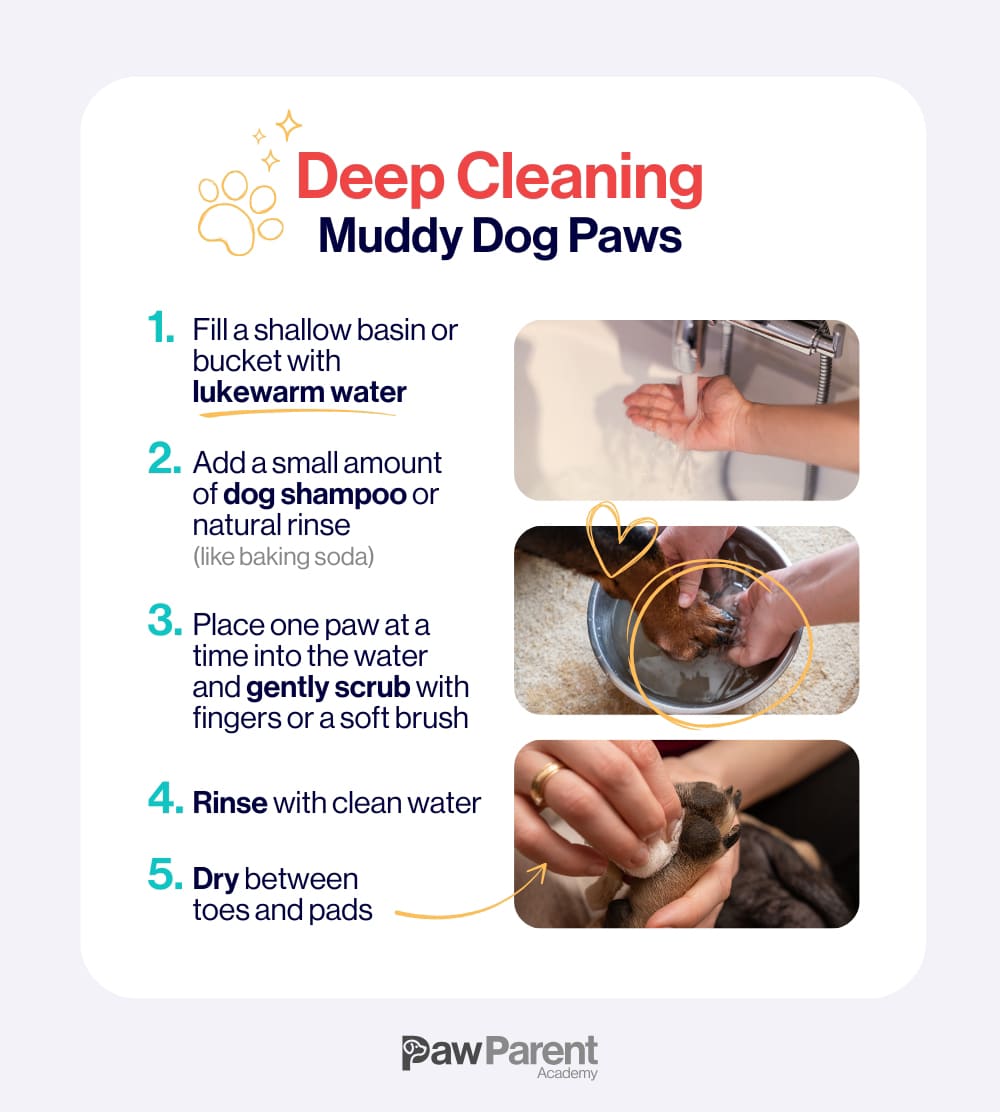
When it comes to washing your dog’s paws, technique matters just as much as the products used. Start by gently wetting your dog’s paws with lukewarm water—hot water can cause dryness and discomfort, especially on already sensitive or cracked skin. Use a soft spray nozzle or a gentle cup to control the flow, ensuring you don’t flood or splash water directly onto their face or delicate areas.
Apply a small amount of shampoo specifically to the paws and gently massage it into the skin and between the toes. Use your fingertips or a soft washcloth to avoid rough scrubbing, which can irritate or damage dry, cracked skin. Be especially careful around the pads, as these are often the most affected areas; avoid excessive rubbing that can cause pain or further dryness. Rinse thoroughly to ensure no shampoo residue remains, as leftover soap can dry out skin and lead to irritation.
Throughout the process, keep your dog calm and engaged. Use soothing tones and gentle movements, and take breaks if needed to prevent your dog from becoming anxious. If your dog resists paw washing, try associating the activity with treats or positive reinforcement to encourage cooperation. Proper technique reduces friction and minimizes discomfort, helping to protect and soothe dry paws rather than aggravate them.
Effective Drying Methods to Preserve Paw Health and Prevent Dryness
After washing, drying your dog’s paws carefully is essential to prevent further dryness and irritation. Pat the paws dry gently with a soft, absorbent towel rather than rubbing vigorously, which can cause micro-tears or exacerbate existing cracks. Pay special attention to drying between the toes, as moisture trapped in these areas can lead to fungal infections or worsen dryness.
Avoid using high heat from hairdryers, as the intense heat can strip natural oils from the skin and cause additional dryness. If you need to speed up the drying process, set the hairdryer on the lowest, cool setting and keep it at a safe distance from your dog’s paws. Keep moving the dryer around to prevent localized heat buildup, and ensure the paws are thoroughly dry before letting your dog walk around.
In addition to towel drying and careful blow-drying, consider using a paw wipe or gentle drying cloth designed for sensitive skin. These can help absorb residual moisture and keep the paws dry and comfortable. Proper drying not only promotes healthier paws but also reduces the risk of infections that can arise from retained moisture, ensuring your dog’s paws stay soft, moisturized, and irritation-free.
Post-Bath Care and Paw Moisturization for Long-Term Comfort
Maintaining your dog’s paw health after a bath is vital for preventing dryness and cracks from returning. Once your dog is dry, consider applying a paw balm or moisturizer formulated for canine skin. Look for products containing natural oils like coconut or jojoba, and avoid those with synthetic fragrances or potentially irritating chemicals. These moisturizers create a protective barrier, sealing in hydration and preventing future dryness or cracking.
Incorporate regular paw care into your grooming routine—applying moisturizer a few times a week can significantly improve paw health over time. Additionally, during colder months or in dry environments, frequent application helps counteract the effects of harsh weather or indoor heating, which can also dry out paw pads. Always check for any signs of irritation or allergic reactions after applying new products and discontinue use if you notice any adverse effects.
Beyond topical care, protect your dog’s paws when outdoors by avoiding rough terrains or icy sidewalks that can cause additional damage. Using booties or paw wax can provide an extra layer of protection, especially in extreme weather conditions. Consistent post-bath care, combined with proactive protection and proper moisturizing, will help your dog enjoy comfortable, healthy paws for the long term.
Conclusion
Bathing a dog with dry or sensitive paws requires a gentle, thoughtful approach that prioritizes their comfort and skin health. Preparing your dog with a calm mindset, inspecting paws beforehand, and choosing the right hypoallergenic shampoo are foundational steps to prevent irritation. Mastering proper bathing techniques ensures cleaning without damaging delicate skin, while careful drying preserves moisture and prevents dryness from worsening.
Post-bath care plays a crucial role in maintaining long-term paw health—moisturizing regularly and protecting paws from environmental stressors help keep your dog comfortable and active. Remember, patience and consistency are key to turning bath time into a positive experience that nurtures your dog’s skin and paws. By following these expert tips, you can ensure your furry friend’s paws remain healthy, moisturized, and free from discomfort—making grooming a bonding moment rather than a cause for concern.