


How to Wash Your Dog Without Causing Tangle Buildup: Tips for a Smooth Bath
Giving your dog a bath is an essential part of grooming that keeps their coat clean, healthy, and shiny. However, many pet owners struggle with tangles and mats that can develop during and after washing, especially in long-haired breeds or those with thick coats. The key to a successful, tangle-free bath lies in preparation, proper technique, and ongoing maintenance. If you’re tired of battling stubborn mats or worried about damaging your pup’s coat, this comprehensive guide will walk you through the best practices to wash your dog without causing tangle buildup. From prepping your supplies to dry-out tips, you’ll learn how to make bath time a smooth, enjoyable experience for both you and your furry friend.
Preparing Your Dog and Bathing Supplies for a Tangle-Free Wash
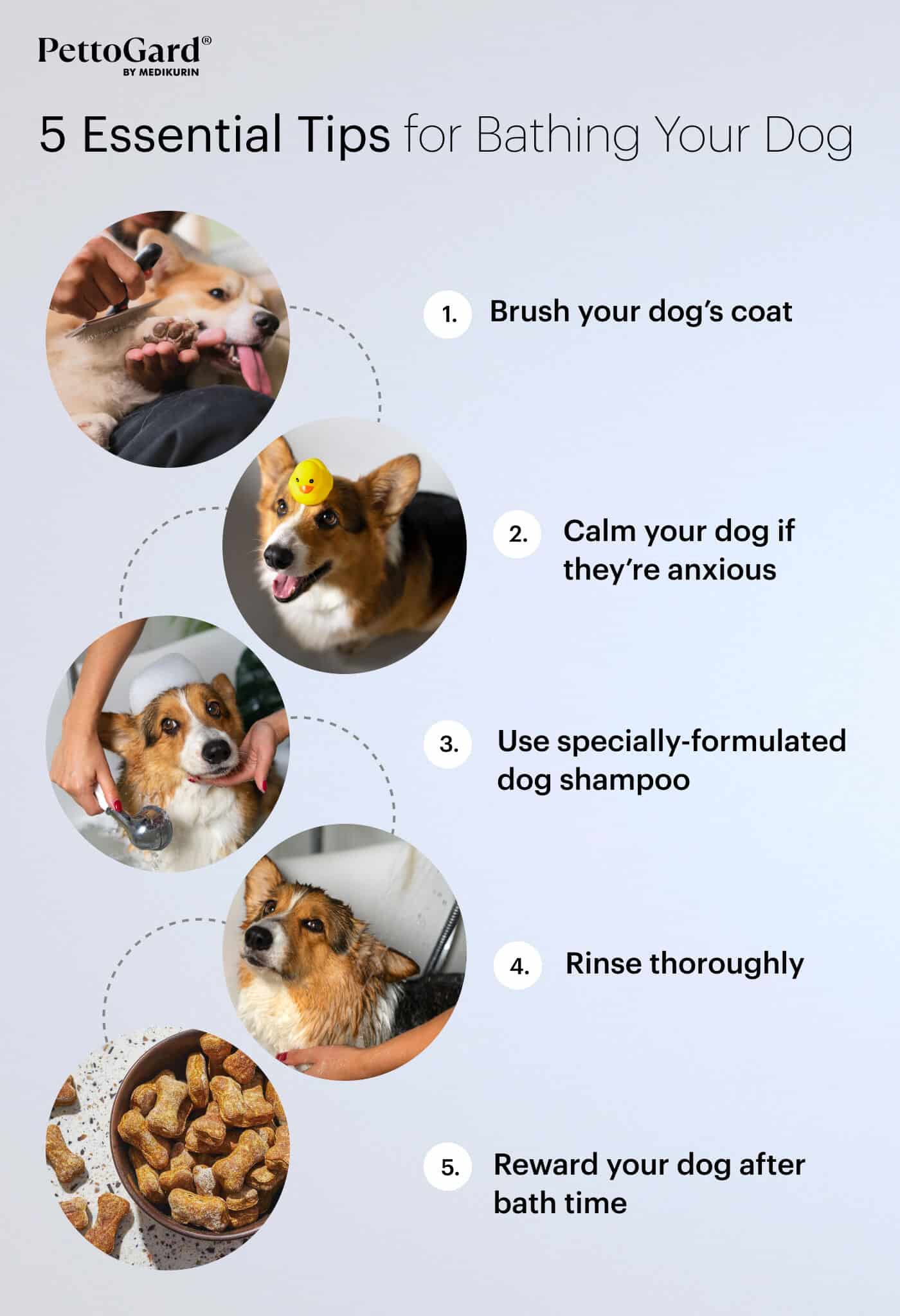
Before you even turn on the water, preparation is crucial to ensure your dog’s bath is effective and tangle-free. Start by choosing the right bathing area—whether that’s a bathtub, a sink, or an outdoor setup—making sure it’s secure and comfortable for your pet. Gather all your grooming supplies beforehand: a gentle dog-specific shampoo, a conditioning spray or conditioner designed for dogs, a wide-tooth comb, brush, and towels. Having everything at your fingertips prevents rushing during bath time, which can lead to rough handling and increased tangle formation.
Next, consider your dog’s temperament and coat type. Some dogs are anxious around water, so introducing a calming environment—like speaking softly or using treats—can help relax them. For dogs prone to tangles, it might be helpful to trim any excessively long or matted fur before the bath, as this reduces the risk of mats tightening during washing. Always opt for lukewarm water—hot water can irritate the skin, while cold water is uncomfortable—and test it first to ensure it’s just right. Using gentle, pet-specific products not only cleans better but also helps maintain the integrity of the coat, making it easier to manage after the bath.
Finally, creating a calm, positive atmosphere can significantly impact how your dog responds during grooming. Use treats, praise, and gentle handling to associate bath time with a pleasant experience. If your dog gets particularly anxious, consider placing non-slip mats in the bathing area to prevent slipping, which can cause stress and lead to tangle formation as they try to move away. Preparation isn’t just about supplies—it’s about setting the stage for a relaxed, tangle-free grooming session that your dog will look forward to (or at least tolerate) every time.
Effective Brushing Techniques to Minimize Tangle Formation Before Bathing
Pre-bath brushing is one of the most effective ways to prevent tangles from forming during and after washing. Starting with a thorough brush helps loosen loose fur, remove debris, and detangle small knots before they can become larger mats. For dogs with long or thick coats, using a slicker brush or a pin brush is ideal because they reach deep into the coat and are gentle on the skin. Always brush in sections, working from the roots to the tips, and be gentle around sensitive areas such as the belly, behind the ears, and under the legs to avoid discomfort or skin irritation.
In addition to regular brushing, incorporating detangling sprays or conditioning products can make the process smoother. These sprays help lubricate the fur, reducing friction and making tangles easier to work through. When brushing, pay special attention to common trouble spots—such as behind the ears, under the collar, and along the legs—where mats tend to develop. If you encounter stubborn knots, use a dematting comb or a wide-tooth comb to gently work through them, avoiding pulling or forcing the fur, which can cause pain and damage to the coat. Patience is key; breaking down mats gradually prevents further tangling and keeps your dog comfortable.
Establishing a regular grooming routine is essential for maintaining a tangle-free coat over time. Ideally, brush your dog at least two to three times a week, increasing frequency for breeds with long, curly, or thick hair. This not only prevents mats but also promotes healthy skin and coat by distributing natural oils. Additionally, early detection of tangles allows you to address small knots before they develop into severe mats, which often require professional grooming or more aggressive detangling. Consistent brushing before bath time sets a solid foundation for a smooth, tangle-free wash.
Step-by-Step Guide to Washing Your Dog Without Causing Tangle Buildup
A systematic approach during bathing can make all the difference in preventing tangles. Start by thoroughly wetting your dog’s coat with lukewarm water—avoid pouring water directly onto the face or ears. Use a handheld showerhead or a cup to control the flow, keeping the water gentle to prevent stress. Apply a dog-specific shampoo, lathering gently from the neck downward, being mindful around sensitive areas. Focus on the skin rather than just the coat, as dirt and oils accumulate close to the skin and contribute to matting if not properly cleaned.
Once the shampoo has been thoroughly rinsed out, follow with a conditioner or detangling spray designed for dogs. This step is especially important for long-haired breeds or those prone to tangles. Apply the conditioner generously and work it into the coat using your fingers or a wide-tooth comb. Allow it to sit for a few minutes, which helps relax the hair shafts and makes detangling easier later on. When rinsing, ensure all product residue is completely washed away—leftover residue can make hair sticky and prone to tangling. Use lukewarm water and avoid over-rinsing, which can dry out the skin.
After rinsing, gently squeeze out excess water and pat the coat dry with a soft towel—never wipe aggressively, as this can cause tangling. For breeds with longer coats, consider using a microfiber towel that absorbs water more effectively, reducing drying time and minimizing the risk of tangles. If your dog tolerates it, you can also use a blow dryer set on a low, cool setting to help dry the coat evenly. As you dry, continue to brush or detangle with a wide-tooth comb, working in small sections to prevent new mats from forming. Finishing with a light application of grooming spray can help keep the coat smooth and manageable.
Remember, patience is essential during the washing process. Take your time, work in sections, and maintain a calm environment. This not only reduces stress for your dog but also minimizes the chances of creating tangles caused by hurried or rough handling. Regularly check your dog’s coat during and after the bath to address any knots promptly. Proper technique and gentle handling are key to achieving a clean, tangle-free coat that’s healthy and comfortable.
Proper Drying Methods to Prevent Tangles and Maintain Coat Health
Drying your dog correctly is vital for preventing tangles and keeping the coat healthy. After bath time, the goal is to remove excess moisture gently without causing friction or tangles. Start by blotting the coat with a soft, absorbent towel, pressing gently to soak up water. For long-haired or thick-coated breeds, using a microfiber towel or a specialized dog drying towel can significantly reduce drying time and minimize the risk of tangles compared to rough towel rubbing. Avoid vigorous rubbing, which can cause hair to twist and knot, creating mats that are difficult to detangle later.
If your dog tolerates blow drying, set the dryer on a low, cool or warm setting—never hot. Keep the nozzle at a safe distance from the skin and move it continuously to prevent overheating or uneven drying. As you dry, use your fingers or a brush to gently detangle any minor knots or tangles that may have developed during the wash. This method helps smooth out the coat and reduces the chances of mats forming as the hair dries. For breeds with particularly long or curly coats, a professional grooming blowout may be worth considering, as it ensures the coat is thoroughly dried and properly styled to prevent future tangles.
Another important aspect is to ensure the coat is completely dry before allowing your dog to go outside or settle into their usual activities. Damp fur is more prone to tangling, especially if your dog rolls on the ground or rubs against furniture. Proper drying not only helps prevent future mats but also promotes healthy skin by reducing moisture-related issues like fungal or bacterial infections. Incorporate regular checks during drying to feel for any remaining damp patches or tangles, and gently work through them with a detangling comb. A well-dried, smooth coat is the foundation for long-term tangle prevention and overall coat health.
Tips for Regular Grooming and Maintenance to Keep Your Dog’s Coat Smooth and Tangle-Free
Prevention is the best strategy when it comes to avoiding tangles, and consistent grooming plays a vital role. Establishing a routine grooming schedule—whether weekly or biweekly—keeps your dog’s coat in top condition and makes managing tangles much easier. Regular brushing helps distribute natural oils, which give the coat a healthy shine and reduce static or dryness that can lead to mats. For breeds with long or curly fur, investing in quality grooming tools like slicker brushes, grooming combs, and detangling sprays can make routine maintenance more effective and less stressful for your dog.
In addition to brushing, routine trimming is essential, especially for breeds with long hair. Trimming around sensitive areas such as the face, paws, and rear can prevent the formation of mats and tangles in places that are difficult to brush thoroughly. Professional grooming services can be beneficial for maintaining an even coat length and removing stubborn mats, but regular at-home trims can also be effective if done carefully. Be sure to use sharp grooming scissors or clippers designed for pets to prevent pulling or causing discomfort, and always work slowly and gently. Consistent maintenance encourages a neat, manageable coat that minimizes the need for intensive detangling sessions.
Nutrition also influences coat health and tangle resistance. Providing a balanced diet rich in omega-3 and omega-6 fatty acids can promote a supple, shiny coat that resists tangles and mats. Regular baths combined with proper grooming and trimming create a comprehensive approach to coat maintenance. Pay attention to your dog’s specific coat type and breed needs—some may require more frequent grooming or specialized products. Remember, the key to a tangle-free, healthy coat is persistence, patience, and making grooming a positive experience. Over time, you’ll notice fewer mats, healthier skin, and an overall happier, more comfortable dog.
Conclusion
Achieving a tangle-free, healthy coat while giving your dog a bath is achievable with the right approach. Preparation sets the tone for a smooth grooming session, so gather your supplies, create a calm environment, and consider your dog’s individual needs. Regular brushing before bathing helps prevent mats from forming, and following a step-by-step washing routine ensures that your dog is cleaned thoroughly without causing tangles. Proper drying techniques, combined with ongoing grooming and maintenance, are equally important to keep the coat smooth and healthy over time.
Remember, patience and consistency are your best allies. By establishing good grooming habits and handling your dog gently, you not only prevent painful tangles but also strengthen your bond with your furry friend. Whether you have a long-haired breed prone to mats or a short-haired buddy that simply needs regular upkeep, these tips will help make bath time more enjoyable and less stressful. With the right techniques and a little effort, you can keep your dog’s coat shiny, smooth, and tangle-free for years to come.