


Is Grooming Dry Skin Safe? Expert Tips and Recommendations
Dry skin can be a persistent and sometimes frustrating skincare challenge. It often feels tight, flaky, or rough, making grooming routines seem complicated or risky. If you’re one of the many people who struggle with dry skin, you might wonder: Is grooming safe for my skin? Can certain products or grooming habits worsen the condition, or are there safe ways to keep your skin looking and feeling its best? In this article, we’ll explore the causes and challenges of dry skin, weigh the risks and benefits of grooming, provide expert-backed tips for safe grooming practices, and offer effective routines to maintain healthy, groomed dry skin—plus, guidance on when to seek professional help. Let’s dive in and empower you to care for your skin confidently and safely.
Understanding Dry Skin: Causes and Common Challenges
Dry skin affects a large portion of the population and can result from a variety of internal and external factors. Understanding what causes dry skin is the first step toward managing it effectively. Often, it’s a combination of environmental influences, lifestyle choices, and underlying health conditions that contribute to the discomfort and visible signs of dryness.
Environmental factors play a significant role in dry skin development. Exposure to cold, windy weather, low humidity, or heated indoor environments strips moisture from the skin’s surface. For instance, during winter, the air tends to be drier, leading to increased skin dryness and flakiness. Additionally, frequent hot showers or baths, which many enjoy for relaxation, can strip away natural oils, leaving the skin parched and vulnerable. Climate control devices like air conditioners and heaters exacerbate this effect by reducing ambient humidity.
Internal factors such as aging, certain medical conditions (like eczema, psoriasis, or hypothyroidism), and medication use also contribute to dry skin. As we age, skin naturally produces less oil, making it more prone to dryness and sensitivity. Medical issues disrupt the skin’s barrier function, making it harder to retain moisture. Furthermore, frequent washing with harsh soaps or skincare products containing alcohol and fragrances can damage the skin’s protective barrier, leading to increased dryness and irritation. Recognizing these causes helps in tailoring grooming habits that are safe and supportive of your skin’s health.
Common challenges faced by those with dry skin include persistent flakiness, irritation, redness, and an increased tendency toward eczema or dermatitis flare-ups. These issues can make grooming routines feel risky or uncomfortable, especially when using products that might exacerbate dryness. The key is understanding the delicate balance between maintaining a well-groomed appearance and protecting your skin’s natural barrier.
Risks and Benefits of Grooming Dry Skin
Grooming is a fundamental part of personal hygiene and self-care, but when it comes to dry skin, it’s essential to weigh the risks and benefits carefully. Proper grooming can enhance confidence, improve appearance, and even support skin health, but aggressive or unsuitable practices can worsen dryness and irritation.
The benefits of grooming dry skin include improved cleanliness, enhanced skin appearance, and boosted self-esteem. Regularly trimming facial hair, managing body hair, and maintaining clean skin help prevent buildup of dead skin cells, dirt, and bacteria that can lead to infections or breakouts. Using gentle grooming tools and products can also stimulate circulation and promote a healthy glow. For those with dry skin, grooming can be part of a soothing routine that keeps skin looking fresh without causing harm.
However, the risks involve damaging the fragile skin barrier, causing microtears, irritation, or worsening dryness. Using harsh razors, aggressive scrubbing, or products with alcohol or fragrances can strip away essential oils, leading to increased flakiness and discomfort. Over-grooming or trimming without proper prep can cause cuts, nicks, or razor bumps, which are more prone to infection in dry skin. Moreover, some grooming practices might lead to inflammation, redness, or heightened sensitivity, especially if the skin is already compromised.
The key is moderation and choosing the right tools and products. Gentle shaving techniques, quality moisturizers, and appropriate grooming frequency can maximize benefits while minimizing risks. Understanding your skin’s unique needs is crucial—what works for someone with oily skin may not be suitable for dry skin. In the end, safe grooming on dry skin is about balance, patience, and using skin-friendly methods.
Expert Recommendations for Safe Grooming Practices on Dry Skin
When it comes to grooming dry skin, expert advice emphasizes gentleness, hydration, and ingredient awareness. Following these guidelines can help you maintain a groomed look without compromising your skin’s integrity.
1. Use Gentle Tools and Techniques
Choose razors with sharp blades to reduce tugging and irritation. Dull blades can cause micro-cuts and increase dryness due to repeated passes. Consider electric razors designed for sensitive skin, which can be less abrasive. Always shave in the direction of hair growth and avoid pressing too hard, as this minimizes skin trauma. For trimming facial or body hair, opt for grooming scissors or trimmers with adjustable guards to prevent skin contact with blades.
2. Prioritize Hydrating and Soothing Products
Select grooming products formulated for sensitive or dry skin, ideally free from alcohol, fragrances, and harsh chemicals. Look for ingredients like glycerin, hyaluronic acid, and ceramides—these help restore and lock in moisture. After grooming, apply a rich moisturizer or soothing balm to replenish the skin’s barrier and reduce irritation. Many dermatologists recommend mineral oil or petrolatum-based products as occlusive agents that trap moisture effectively.
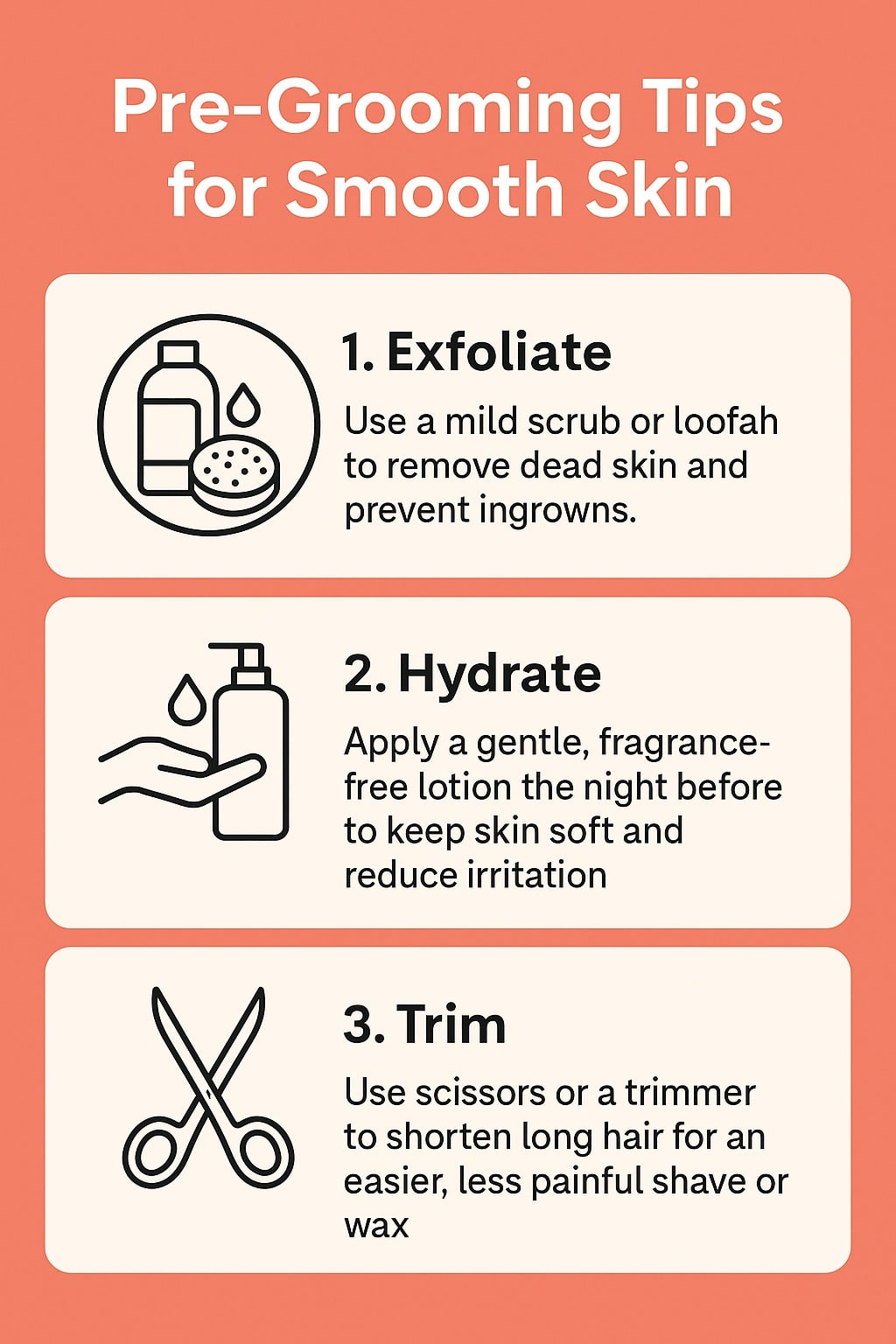
3. Incorporate Pre- and Post-Grooming Routines
Prepare your skin before grooming by cleansing with a gentle, hydrating cleanser to remove dirt and excess oils. Applying a warm, damp towel to the area for a few minutes softens hair and opens pores, making grooming easier and less irritating. After grooming, rinse with cool water to close pores and then pat dry gently before applying moisturizer. Regularly exfoliating with mild scrubs or chemical exfoliants (like lactic acid) can help remove dead skin cells, but should be done sparingly to avoid over-drying.
4. Be Mindful of Frequency and Timing
Avoid over-grooming, which can strip oils and damage delicate skin. For sensitive or dry areas, limit shaving or trimming to once every few days and avoid rushing the process. Incorporate grooming into your routine when your skin is slightly damp or after a shower, as this softens hair and reduces irritation. Also, consider scheduling grooming sessions during seasons when your skin is less prone to dryness or irritation.
Effective Skincare Routines to Maintain Healthy, Groomed Dry Skin
Maintaining a balanced skincare routine is essential for dry skin, especially when grooming regularly. Incorporating targeted steps can help you achieve a well-groomed look without sacrificing skin health.
Start with gentle cleansing using a hydrating cleanser that preserves the skin’s natural oils. Avoid harsh soaps or bar cleansers that can strip moisture. Pat your skin dry with a soft towel—don’t rub, as this can cause irritation. Applying a hydrating toner or essence can prepare your skin for subsequent treatments and lock in moisture.
Incorporate regular exfoliation once or twice a week using mild chemical exfoliants, such as lactic acid or enzyme-based scrubs. These help remove dead skin cells, preventing flakiness and dullness, and enhance absorption of moisturizers. Be cautious not to over-exfoliate, as it can exacerbate dryness; gentle exfoliation supports healthy skin turnover without compromising hydration.
Moisturize thoroughly after cleansing or grooming. Opt for rich, emollient creams containing ceramides, hyaluronic acid, or occlusive agents like petrolatum. These ingredients form a protective barrier that locks in moisture and reduces irritation. During the day, consider using a moisturizer with SPF to protect your skin from UV damage, which can worsen dryness and cause premature aging.
Protect your skin daily with broad-spectrum sunscreen, especially if you spend time outdoors. Environmental damage from UV rays can weaken the skin barrier, leading to increased dryness and sensitivity. Also, maintain hydration by drinking plenty of water, as internal hydration complements your skincare efforts and supports overall skin health.
Adjust your routine seasonally, increasing hydration in winter months and lighter products in summer, depending on your skin’s response. Consistency is key—sticking to a routine that respects your skin’s needs will help you achieve and maintain a healthy, groomed appearance.
When to Seek Professional Advice for Persistent Skin Concerns
While adopting a gentle grooming routine can significantly improve dry skin, some issues require the expertise of a dermatologist or skincare professional. Recognizing the signs that indicate the need for professional advice can help prevent complications and ensure proper treatment.
Persistent or worsening dryness, redness, or irritation despite following a consistent skincare routine may signify an underlying skin condition like eczema, psoriasis, or dermatitis. These conditions often require specialized treatment plans, including medicated creams or tailored therapies. If your skin is cracking, bleeding, or developing open sores, it’s essential to consult a professional promptly.
If you experience recurrent flares, severe itching, or discomfort, professional evaluation can help determine the root cause and appropriate interventions. A dermatologist can perform patch tests to identify allergies or sensitivities to grooming products, recommend suitable alternatives, and prescribe medications if needed. Early diagnosis and treatment can prevent long-term skin damage and improve quality of life.
Finally, if you notice changes in skin color, texture, or growths, such as unusual moles or patches, seek medical advice immediately. These could be signs of skin cancer or other serious conditions that require prompt attention. Regular skin checks by professionals, especially if you have a history of skin issues or high sun exposure, are vital for maintaining skin health.
Conclusion
Grooming dry skin is both safe and achievable when approached with care and the right knowledge. Understanding the causes of dryness helps you tailor your grooming habits to protect and nourish your skin rather than harm it. Expert tips emphasize gentle tools, hydrating products, and mindful routines to keep your skin healthy and well-groomed. Developing an effective skincare routine that includes gentle cleansing, exfoliation, and rich moisturization can significantly improve your skin’s appearance and comfort.
However, persistence or worsening issues should never be ignored. Consulting professionals ensures that underlying conditions are properly managed and that your grooming routine remains safe for your skin’s unique needs. Remember, healthy, well-maintained dry skin can look great and feel comfortable—it’s all about balancing grooming with skin care.
Takeaway: Be gentle, consistent, and mindful of your skin’s signals. With the right approach, grooming dry skin can be both safe and effective, helping you look and feel your best every day.