


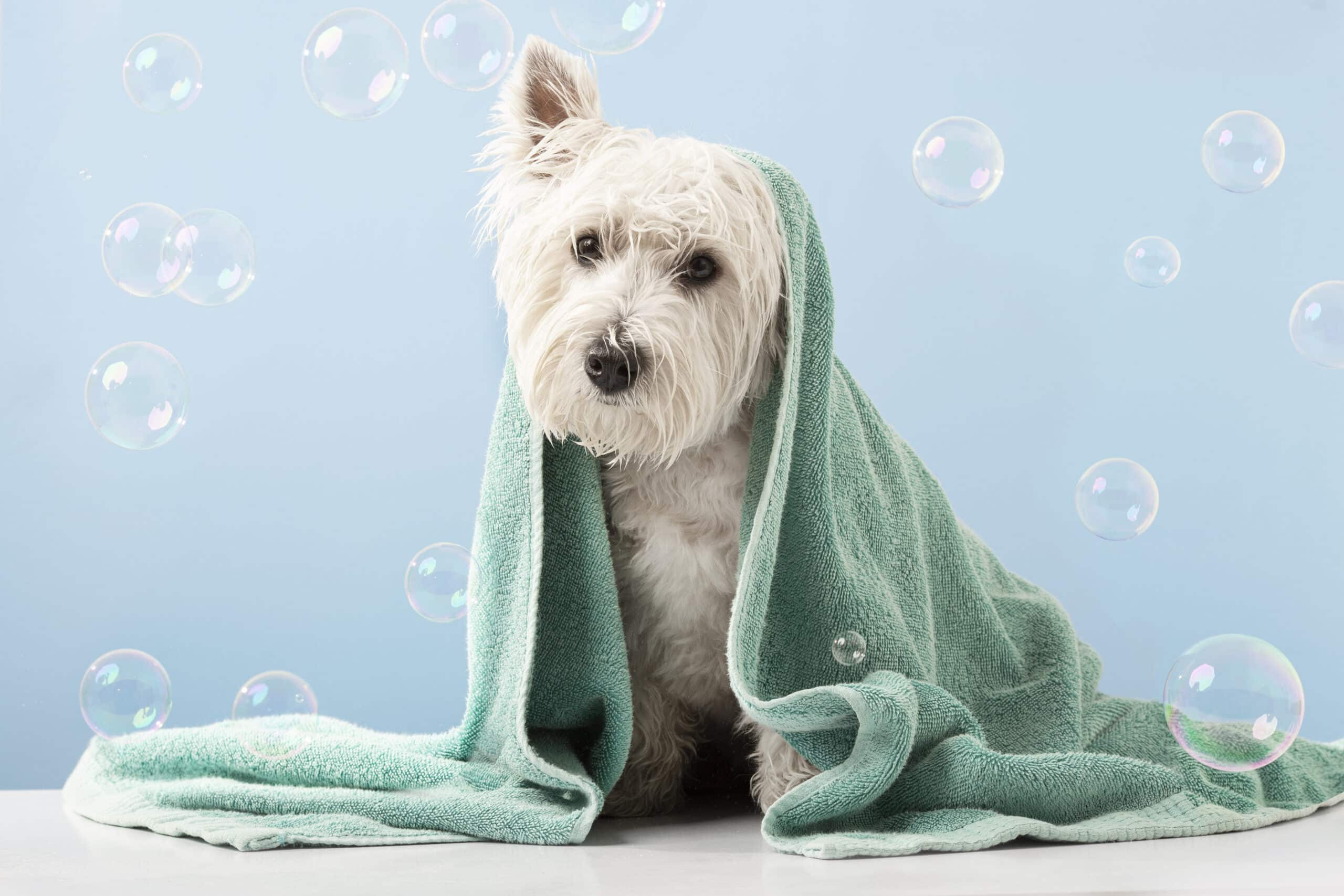
Is It Safe to Care for Your Dog’s Fur After a Bath? Expert Tips
Giving your dog a bath is a routine part of pet ownership that keeps your furry friend clean, healthy, and happy. However, many dog owners wonder about the safety and best practices for handling their dog’s fur immediately after bathing. Is it safe to touch, brush, or groom your dog’s fur right after a bath? What precautions should you take to avoid skin irritation or allergic reactions? In this article, we’ll explore the risks and benefits of caring for your dog’s fur post-bath, offer expert tips on safe grooming techniques, and share preventive measures to ensure your pet’s health and comfort.
Understanding these aspects can help you develop a safer and more effective grooming routine, reducing discomfort for your dog and helping you spot any issues early. Whether you’re a new pet owner or a seasoned dog parent, learning how to handle your dog’s fur safely after a bath is key to maintaining their overall well-being.
Understanding the Risks and Benefits of Handling Dog Fur Post-Bath
Handling your dog’s fur immediately after a bath can have both positive and negative implications. On the one hand, gentle grooming after bathing can help remove loose hair, distribute natural oils uniformly, and prevent matting. Proper brushing can also help dry the fur more evenly and make your dog feel comfortable and cared for, contributing to their overall hygiene.
However, there are risks involved if grooming is not done correctly or if your dog’s skin is sensitive. For instance, wet fur can trap moisture against the skin, creating an ideal environment for bacteria and fungi to develop, which may lead to infections or skin irritations. Additionally, some dogs can develop allergic reactions to bathing products or grooming tools, especially if their skin is already compromised or sensitive.
An important benefit of post-bath care is the opportunity to check your dog’s skin for abnormalities such as rashes, lumps, or signs of parasites like fleas and ticks. Regular grooming after bathing also supports good hygiene, reduces shedding, and keeps your dog comfortable. The key is understanding how and when to handle your dog’s fur to maximize benefits while minimizing potential health risks.
Proper Techniques for Cleaning and Maintaining Dog Fur Safely
The key to safe post-bath grooming lies in using gentle, correct techniques that respect your dog’s skin and fur health. Always start with a thorough but gentle towel dry, removing excess water without rubbing aggressively, which can irritate the skin or cause mats. Use a high-quality dog-specific grooming brush suited to your dog’s coat type—slicker brushes for curly coats, bristle brushes for short-haired breeds, and combs for fine or sensitive skin.
When brushing, work in small sections and be patient. Avoid pulling or tugging, especially if the fur is still damp, as this can cause discomfort or skin damage. If your dog is sensitive or prone to skin issues, consider using a leave-in conditioner or detangling spray formulated for dogs to ease brushing and reduce static or friction. Also, always ensure your grooming tools are clean and sanitized to prevent the spread of bacteria or parasites.
In addition to brushing, carefully inspect your dog’s skin and coat during grooming. Look for signs of redness, swelling, or unusual odors. For dogs with long or thick fur, trimming or thinning may be necessary to prevent matting and promote better air circulation. Remember, patience and a gentle approach are essential to make grooming a positive experience, helping your dog stay comfortable and healthy after their bath.
Identifying Signs of Skin Irritation or Allergic Reactions After Caring for Your Dog’s Fur
After grooming or handling your dog’s fur post-bath, it’s crucial to monitor for signs of skin irritation or allergic reactions. These may include excessive scratching, licking, or biting at certain areas, which indicate discomfort. Look for redness, swelling, or rashes on the skin, especially around sensitive areas like the ears, belly, and paws. Pustules or scaly patches might also be signs of dermatitis or infection.
Any foul odor or abnormal discharge from the skin or ears warrants further attention, as these could be symptoms of bacterial or yeast infections. Allergic reactions can be caused by shampoo ingredients, grooming products, or even environmental allergens that become more noticeable after bathing. If your dog exhibits persistent symptoms, consulting a veterinarian is essential to diagnose and treat the issue properly.
Early detection of skin problems can prevent more serious health issues down the line. Regular grooming combined with attentive observation helps catch potential problems early. If you notice any adverse reactions, discontinuing the use of specific products or switching to hypoallergenic options may be necessary, but always seek professional advice for persistent or severe symptoms.
Expert Recommendations for Safe Grooming Practices and Post-Bath Care
Veterinarians and professional groomers recommend establishing a consistent and gentle grooming routine tailored to your dog’s specific needs. First, always choose high-quality, dog-specific grooming products free from harsh chemicals, dyes, and artificial fragrances. These products are less likely to cause allergic reactions or skin irritation. Before using any new product, perform a patch test to ensure your dog doesn’t have a sensitivity.
Experts also emphasize the importance of proper drying techniques. Pat your dog dry with a towel, and if needed, use a blow dryer on a low, cool setting, keeping it at a safe distance from the skin to prevent burns or dryness. During grooming, maintain a calm environment, speak softly, and reward your dog with treats to foster positive associations with grooming.
Additionally, regular grooming intervals are recommended based on breed, coat type, and activity level. For example, long-haired breeds may require daily brushing, while short-haired breeds might only need weekly sessions. Always inspect your dog’s skin and fur during grooming, and address issues like mats or parasites promptly. Following these expert tips ensures your dog’s fur remains healthy, clean, and comfortable after each bath.
Preventive Measures to Minimize Health Risks When Handling Dog Fur at Home
Prevention is the best strategy to ensure your dog’s safety when caring for their fur after a bath. Start by maintaining a clean grooming environment and sanitizing grooming tools regularly to prevent the spread of germs and parasites. Use gentle, dog-specific shampoos and conditioners designed for your dog’s skin type to reduce the risk of allergic reactions or irritation.
Another important preventive step is to dry your dog thoroughly after bathing. Moisture trapped in the fur can promote bacterial and fungal growth, especially in humid environments. Use soft towels and a low-heat blow dryer, and avoid leaving the fur damp for extended periods. Additionally, keeping your dog’s living area clean and parasite-free helps prevent issues like fleas or ticks that can cause itchy skin and infections.
Finally, observe your dog for any unusual behaviors or skin changes after grooming. Regular veterinary check-ups and prompt attention to any signs of skin irritation or discomfort can prevent minor issues from escalating. Educating yourself on your dog’s specific grooming needs and adhering to safe handling practices can significantly reduce health risks and promote a happy, healthy life for your pet.
Conclusion
Caring for your dog’s fur after a bath is a vital aspect of maintaining their overall health and happiness. While gentle grooming offers numerous benefits, it’s essential to understand and mitigate the risks associated with handling wet fur, such as skin irritation or infections. Proper techniques—including gentle drying, careful brushing, and using suitable grooming products—help ensure your dog’s comfort and safety.
Monitoring your dog’s skin for signs of irritation or allergic reactions allows for early intervention, preventing more serious health issues. Following expert recommendations and implementing preventive measures, like maintaining a clean grooming environment and selecting appropriate products, can significantly reduce health risks. Ultimately, a thoughtful, gentle approach to post-bath care nurtures your dog’s well-being, strengthening your bond and ensuring they remain healthy, comfortable, and happy.
Remember, when in doubt, consult your veterinarian or professional groomer for personalized advice tailored to your dog’s specific needs. Happy grooming!