


Should You Wash Hot Spots on Your Dog? Expert Skin Care Tips
If you’ve ever noticed a red, inflamed patch on your dog’s skin that’s sore to the touch, you’re probably familiar with hot spots. These common skin issues can be both uncomfortable and concerning for pet owners. But when it comes to treating hot spots, many dog owners wonder: Should I wash hot spots? What’s the best way to care for your dog’s skin without making matters worse? In this article, we’ll explore the causes and symptoms of hot spots, discuss the importance of proper skin care, and give you expert tips on how to safely wash and treat these irritated areas. Plus, we’ll cover when it’s time to seek veterinary help and share prevention strategies to keep your dog’s skin healthy.
Understanding hot spots on dogs is the first step to effective management. Recognizing what causes these inflamed areas and how to identify them can help you act quickly and appropriately, reducing discomfort for your furry friend. Let’s dive into what hot spots really are and why they happen.
Understanding Hot Spots on Dogs: Causes and Symptoms
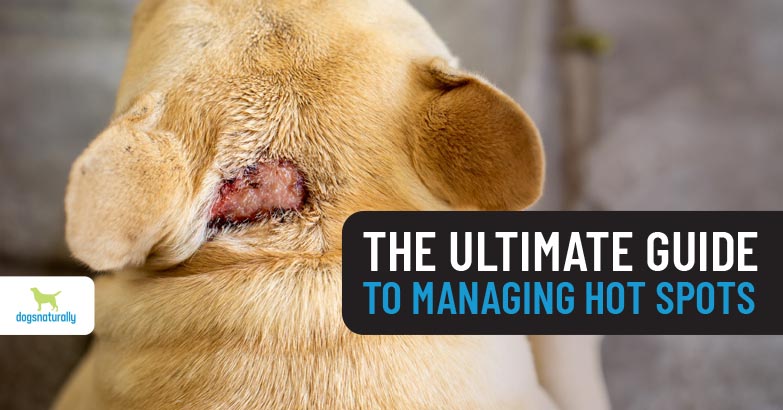
Hot spots, also known as acute moist dermatitis, are rapidly developing skin infections that cause redness, swelling, and discomfort in dogs. They usually appear as moist, inflamed patches that can enlarge quickly if not treated promptly. The appearance of hot spots can be alarming, but understanding their root causes helps in managing and preventing them effectively.
Causes of Hot Spots:
Hot spots are generally caused by a combination of factors. The most common trigger is skin irritation or injury, such as scratching, biting, or rubbing that breaks the skin barrier. Allergies—whether environmental, food-related, or contact allergies—are significant contributors because they cause itching and inflammation. Moisture plays a critical role; dogs with thick coats or those that swim frequently can trap moisture against the skin, creating an ideal environment for bacterial and yeast overgrowth. Additionally, parasites like fleas or ticks can irritate the skin, prompting excessive scratching and subsequent hot spots. Stress and underlying health issues, such as skin infections or hormonal imbalances, can also predispose dogs to developing these inflamed patches.
Recognizing the Symptoms:
Hot spots typically start as small, red patches that are often itchy and painful. As they develop, they may become moist or oozy, with hair loss around the affected area. The dog might lick, chew, or bite at the spot, worsening the inflammation. You might notice the area is warm to the touch and swollen, and in some cases, the infection can produce a foul odor. Behavioral signs such as increased scratching, discomfort, or agitation are indicators that your dog is trying to soothe irritated skin areas. Early identification is vital because untreated hot spots can expand rapidly, leading to more severe infections and prolonged healing times.
Factors That Increase Hot Spot Risk:
Certain breeds are more prone to hot spots due to their coat type—thick, curly, or double coats provide insulation that retains moisture and debris. Dogs with underlying health conditions, such as allergies or immune deficiencies, are also at higher risk. Environmental factors like humid climates or frequent exposure to water can exacerbate the problem. Recognizing these risk factors allows pet owners to be proactive in managing their dog’s skin health, especially during seasons or circumstances conducive to hot spot development.
Understanding what causes hot spots and how to identify their symptoms empowers dog owners to act swiftly, reducing discomfort and preventing secondary infections. Now that you know the basics, let’s explore why proper skin care is essential in managing and preventing hot spots.
The Importance of Proper Skin Care for Hot Spot Management
Effective hot spot management hinges on maintaining healthy, clean skin. Proper skin care not only helps soothe existing irritation but also prevents new hot spots from forming. It’s crucial to understand that aggressive scrubbing or improper handling can aggravate the condition, so gentle, targeted care should always be the goal.
Cleaning and Maintaining the Skin:
The first step in hot spot care is keeping the affected area clean and dry. This involves gentle cleansing with a mild, pet-safe antiseptic or medicated shampoo recommended by your veterinarian. Regular bathing helps remove dirt, bacteria, and excess moisture that can worsen inflammation. After bathing, it’s essential to thoroughly dry the area—moisture encourages bacterial and yeast growth—so towel-drying or using a blow dryer on a cool setting can be beneficial. Avoid harsh scrubbing, which can damage sensitive skin and slow healing. Instead, gently pat or blot the area, ensuring no residual moisture remains.
Enhancing Skin Health:
Supporting your dog’s skin health through a balanced diet rich in omega-3 and omega-6 fatty acids can improve skin barrier function and reduce inflammation. Regular grooming also helps remove loose hair, dirt, and debris, minimizing skin irritation. If your dog is prone to hot spots, consider using protective measures like e-collars or clothing to prevent excessive licking and biting. Additionally, managing environmental factors—like keeping your dog in a dry, clean space—reduces exposure to moisture and irritants. For dogs with allergies, working with your veterinarian to identify triggers is key to long-term skin health.
The Role of Topical Treatments:
In many cases, veterinarians recommend topical treatments such as medicated ointments, sprays, or soothing gels to accelerate healing and reduce itchiness. These products often contain ingredients like hydrocortisone, aloe vera, or antimicrobial agents. Applying these treatments as directed — usually after cleaning and drying the area — can help calm inflammation and control bacterial growth. Remember, hot spots are infections that often require more than just washing; combining gentle cleaning with appropriate topical therapy is a cornerstone of effective management. Always consult your vet before starting any new skin treatments to ensure they’re safe and suitable for your dog’s specific condition.
In summary, proper skin care—focused on cleanliness, dryness, and tailored topical treatments—is vital in managing hot spots. But how should you go about washing and cleaning these irritated areas safely? We’ll explore best practices and common pitfalls next.
Best Practices for Washing and Cleaning Hot Spots Safely
When it comes to washing hot spots on your dog, the goal is to clean thoroughly without causing additional stress or harm to their sensitive skin. Proper technique is essential to promote healing, prevent infection, and make your dog more comfortable. Here are expert-recommended practices to ensure you’re caring for hot spots safely and effectively.
Use Gentle, Pet-Safe Products:
Choose shampoos and cleansers formulated specifically for dogs, especially those designed for sensitive or irritated skin. Medicated shampoos containing chlorhexidine or other antimicrobial agents can help control bacterial growth. Always follow the instructions on the product label and avoid harsh chemicals, fragrances, or human shampoos, which can irritate your dog’s skin further. If uncertain, consult your veterinarian for recommendations on suitable cleansers that will be gentle yet effective.
Proper Technique for Washing and Drying:
Begin by gently clipping or trimming the hair around the hot spot if it’s thick or tangled, which facilitates better access and cleaning. Use lukewarm water to rinse the area thoroughly, then apply the medicated shampoo with soft, gentle strokes, avoiding vigorous scrubbing. Pay special attention to cleaning the perimeter of the hot spot without irritating the surrounding healthy skin. After washing, rinse completely to remove residue, then carefully dry the area with a clean towel or a blow dryer on the cool setting. Ensuring the area is completely dry is key to preventing moisture buildup, which can exacerbate infection.
Frequency and Monitoring:
Depending on the severity of the hot spot, your veterinarian might recommend washing once or twice daily, particularly if the area is moist or emitting discharge. Always monitor the hot spot after washing for signs of worsening or spreading. If the area seems to be enlarging, bleeding, or developing a foul odor, it’s time to seek veterinary advice. Remember, consistency in cleaning and care can significantly influence the healing process, but over-washing or improper handling can jeopardize recovery.
Additional Tips for Effective Cleaning:
- Use sterile gauze or soft cloths when applying topical treatments after washing.
- Avoid touching or irritating the hot spot more than necessary.
- Consider protective clothing or Elizabethan collars to prevent your dog from licking or biting the treated area.
- Be patient and gentle—your calm demeanor and gentle touch can help reduce your dog’s anxiety during cleaning.
By following these best practices, you can ensure your dog’s hot spots are cleaned safely and effectively, accelerating healing while minimizing discomfort. But what if the hot spots don’t improve or worsen? Next, we’ll discuss when it’s time to seek veterinary advice for persistent or severe cases.
When to Seek Veterinary Advice for Persistent or Severe Hot Spots
While many hot spots respond well to home care with consistent cleaning and topical treatments, some cases require veterinary intervention. Recognizing the signs of an infection or underlying health issue that’s beyond basic care is essential for your dog’s health and comfort. Prompt veterinary attention can prevent complications and promote faster healing.
Indicators That Require Veterinary Attention:
If a hot spot is not improving after several days of diligent care, it’s time to consult your veterinarian. Signs include increasing size or depth of the lesion, persistent foul odor, or the presence of pus or bleeding. Dogs that continue to lick, bite, or scratch the area excessively, despite efforts to prevent them from doing so, may need additional medical intervention. Rapid spread of redness or inflammation to surrounding skin also suggests a more severe infection that requires professional treatment. Always seek veterinary advice if your dog shows signs of pain, fever, loss of appetite, or behavioral changes, as these may indicate systemic illness.
Potential Underlying Causes and Treatments:
Persistent hot spots often point to underlying issues like allergies, parasites, or hormonal imbalances. A veterinarian can perform skin scrapings, allergy testing, or blood work to identify root causes. Treatment may involve antibiotics or antifungal medications if bacteria or yeast are involved, as well as corticosteroids to control inflammation. In some cases, addressing underlying health problems or environmental factors is necessary to prevent future hot spots. Your vet can also recommend specialized shampoos, dietary supplements, or medications that target specific triggers.
Preventive Measures and Follow-Up Care:
Veterinary guidance doesn’t end after initial treatment; follow-up visits are crucial to monitor healing and adjust therapy if needed. Your veterinarian might recommend ongoing skin testing, allergy management, or changes in grooming routines to prevent recurrence. In severe cases, surgical removal of infected tissue or other interventions may be necessary. Remember, professional veterinary care ensures that your dog receives comprehensive treatment tailored to their specific needs, leading to better outcomes and healthier skin in the long term.
Understanding when to seek veterinary advice is vital in managing persistent or complicated hot spots. Now, let’s explore proactive steps you can take to prevent hot spots and promote overall skin health in your dog.
Additional Tips for Preventing Hot Spots and Promoting Healthy Skin
Prevention is always better than cure, especially when it comes to sensitive skin issues like hot spots. Implementing a combination of good grooming, environmental management, and nutritional strategies can significantly lower your dog’s risk of developing these painful skin infections. Regular proactive care helps maintain healthy skin and fur, reducing the chances of hot spots occurring in the first place.
Consistent Grooming and Coat Maintenance:
Regular brushing removes loose hair, dirt, and debris that can irritate the skin or trap moisture. For breeds with thick or curly coats, routine trimming or professional grooming helps improve airflow and prevent mats that can harbor bacteria. Bathe your dog with gentle, veterinarian-approved shampoos, especially if they are prone to skin issues. During shedding season or after outdoor activities, more frequent grooming can help keep the skin clean and dry, reducing the risk of hot spots. Also, inspecting your dog’s skin regularly allows you to spot early signs of irritation or injury before they escalate.
Environmental and Parasite Control:
Keep your dog’s living environment clean and dry. Regularly wash bedding and vacuum carpets to minimize allergens, dust, and parasites. Since fleas are a common trigger for hot spots, maintaining an effective flea control program is essential. Use veterinarian-recommended flea prevention products and check your dog frequently for fleas or ticks, especially during warmer months. Limiting exposure to humid or excessively damp areas, such as muddy yards or waterlogged kennels, can also reduce skin irritation and moisture buildup that contribute to hot spots.
Nutritional Support and Health Monitoring:
A well-balanced diet rich in essential fatty acids, vitamins, and minerals supports healthy skin and fur. Consult your veterinarian for dietary recommendations or supplements like omega-3 fatty acids, which have anti-inflammatory properties. Maintaining a healthy weight and overall well-being can also enhance your dog’s immune response, making their skin more resilient to irritants. Moreover, regular veterinary check-ups can catch underlying health issues early, allowing for prompt management before they manifest as skin problems like hot spots.
By adopting these preventive measures, you can help your dog maintain healthy skin and reduce the likelihood of hot spots developing. Remember, attentive and consistent skin care combined with a healthy lifestyle creates a strong foundation for your dog’s overall well-being.
Conclusion
Hot spots on dogs are a common yet manageable skin condition that can cause significant discomfort if not addressed promptly. Understanding their causes and recognizing early symptoms are key steps in effective management. Proper skin care—focused on gentle cleaning, drying, and targeted treatments—plays a vital role in both healing existing hot spots and preventing new ones. When hot spots persist or worsen despite home care, professional veterinary advice is essential to identify underlying issues and implement appropriate therapies.
Prevention through regular grooming, environmental control, and nutritional support is the best strategy for maintaining healthy skin and reducing hot spot occurrences. By staying vigilant and proactive, you can help your furry friend enjoy a comfortable, itch-free life. Remember, caring for your dog’s skin is an ongoing process that benefits their overall health and happiness. If you’re ever in doubt about how to treat or prevent hot spots, consult your veterinarian for tailored advice—your dog’s well-being depends on it.