


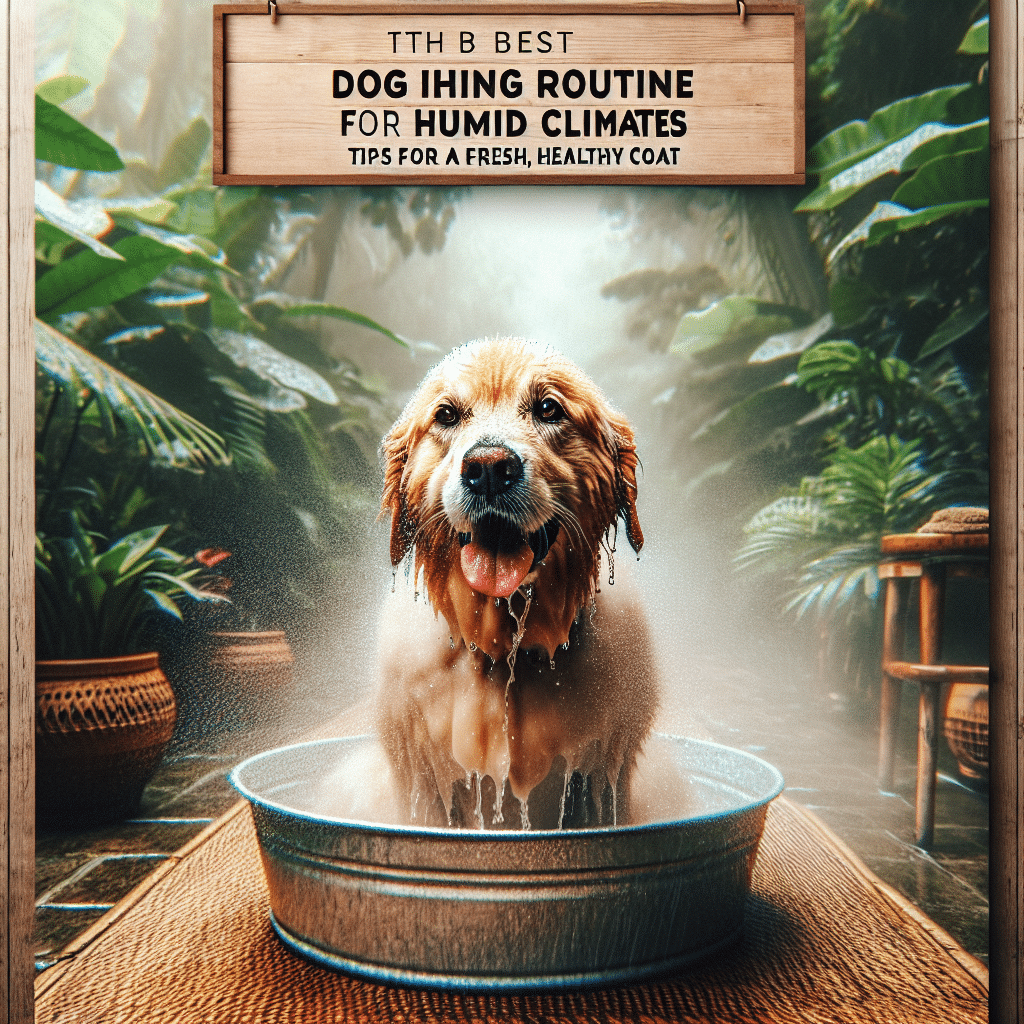
The Best Dog Bathing Routine for Humid Climates: Tips for a Fresh, Healthy Coat
Living in a humid climate presents unique challenges when it comes to keeping your furry friend clean, comfortable, and healthy. High humidity can lead to excessive sweating, increased skin irritation, and the growth of bacteria and fungi that cause unpleasant odors and skin problems. If you’re a dog owner in such an environment, establishing the right bathing routine is essential for your pup’s well-being. This article will guide you through understanding the specific challenges of bathing dogs in humid conditions, selecting the best products, setting an effective bathing schedule, and maintaining your dog’s coat and skin health throughout the humid season.
Understanding the Challenges of Bathing Dogs in Humid Climates
Humid climates are characterized by elevated moisture levels in the air, which can complicate your dog’s grooming and skin health. One of the main challenges is that moisture tends to linger on your dog’s coat and skin longer than in dry environments, making it harder for the skin to dry properly after baths or outdoor activities. This can lead to a damp environment that promotes bacterial and fungal growth, increasing the risk of infections, hot spots, and unpleasant odors.
Another issue is that dogs with thick, double coats or long hair are particularly susceptible to matting and trapping moisture. When their fur remains damp, it creates the perfect breeding ground for skin parasites and irritants. Furthermore, high humidity can cause your dog to sweat more, especially in breeds that are prone to overheating, which can exacerbate skin issues if not managed correctly. Recognizing these challenges helps in planning a grooming routine that prevents these problems effectively.
Finally, it’s important to understand that dogs in humid environments often experience more skin allergies or irritations, partly due to constant exposure to moisture, pollen, and other allergens that thrive in such climates. Without proper bathing and drying routines, these allergens can accumulate, worsening skin conditions and affecting your dog’s overall well-being. Being aware of these factors emphasizes the importance of a tailored, consistent bathing routine that addresses humidity-specific issues.
Selecting the Ideal Dog Shampoo and Bathing Products for Humid Environments
Choosing the right bathing products is crucial for maintaining a healthy coat in humid climates. Look for shampoos that are specifically formulated to combat moisture-related skin issues, such as those containing antifungal, antibacterial, or soothing ingredients. Natural, hypoallergenic shampoos with ingredients like aloe vera, oatmeal, and tea tree oil can help calm irritated skin and reduce the risk of infections without stripping away natural oils.
Avoid harsh shampoos that contain excessive chemicals or sulfates, as these can dry out the skin or cause irritation, especially when combined with humidity. Instead, opt for gentle, pH-balanced formulas designed for your dog’s coat type—whether it’s short-haired, long-haired, or double-coated. For breeds prone to skin infections, medicated shampoos prescribed by a veterinarian can be a safe and effective choice for managing issues like yeast or bacterial overgrowth common in humid environments.
In addition to shampoo, consider incorporating other grooming products such as conditioners that add a protective barrier against moisture and detangling sprays that prevent matting. These products can help maintain a smooth, manageable coat, making drying easier and reducing the risk of skin problems. Always rinse thoroughly to remove all product residues, and follow the manufacturer’s instructions for frequency of use to avoid over-washing, which can strip natural oils and cause dryness.
Establishing an Effective Bathing Schedule to Prevent Skin Issues
Consistency is key when it comes to bathing in humid climates. Over-bathing can strip the coat of natural oils, leading to dry, irritated skin, while infrequent baths may allow bacteria and fungi to flourish. A good rule of thumb is to bathe your dog every 4 to 6 weeks, but this may vary depending on breed, activity level, and skin condition. For example, active dogs that spend a lot of time outdoors might need more frequent baths, whereas sedentary or indoor dogs may require less.
Monitor your dog’s skin and coat for signs of issues such as excessive itching, foul odor, or visible irritation—these cues can help you adjust the bathing schedule accordingly. Regular brushing between baths helps remove loose hair, dirt, and allergens, and promotes healthy skin circulation, reducing the need for frequent full baths. Incorporate routine checks for skin conditions, especially in areas prone to moisture retention like the paws, ears, and underbelly.
Lastly, establish a calming, routine bathing process to make it less stressful for your dog. Use lukewarm water to avoid discomfort, and keep baths brief but thorough. Concluding each bath with a gentle rinse and a quick, thorough drying will help prevent lingering moisture. Consistency combined with attentive skin monitoring can significantly reduce the risk of skin infections and keep your dog comfortable and healthy during humid seasons.
Tips for Proper Drying and Post-Bath Care in High-Humidity Conditions
Drying your dog thoroughly after a bath is arguably the most important step in humid climates. Damp fur remaining on your dog can quickly lead to skin infections, hot spots, and bad odors. Use a high-velocity blow dryer set on a cool or warm setting—never hot—to efficiently remove moisture from the coat and skin. Be sure to direct the airflow into the coat, especially in areas prone to trapping moisture like the ears, armpits, and groin.
In addition to using a blow dryer, towel drying is essential, especially if your dog has short hair or is sensitive to noise. Use absorbent towels to gently pat the fur dry, pressing out excess water and avoiding vigorous rubbing that can cause skin irritation. For dogs with thick or double coats, consider grooming tools like de-matting combs or brushes to help remove moisture and prevent mats from forming as the coat dries.
Post-bath care doesn’t end with drying. Keep your dog in a well-ventilated, cool space until completely dry, especially during hot, humid days, to prevent overheating. Applying products like antifungal powders or sprays, as recommended by your veterinarian, can further inhibit moisture buildup and skin infection. Regularly check your dog’s skin for signs of irritation or infection, and address issues promptly to maintain a fresh, healthy coat throughout humid seasons.
Maintaining Skin and Coat Health During Humid Seasons
Maintaining your dog’s skin and coat health in humid climates requires a proactive approach. Proper nutrition plays a vital role—ensure your dog’s diet is rich in omega-3 and omega-6 fatty acids, which promote a shiny coat and healthy skin. Supplements like fish oil can be beneficial, but consult your vet before adding new supplements to your dog’s diet.
Regular grooming aside from bathing, such as brushing and trimming, helps remove loose hair, dirt, and dead skin cells, preventing matting and reducing bacterial buildup. Focus on cleaning sensitive areas like the ears and paws, which are more susceptible to moisture retention and infections in humid conditions. Keeping these areas dry and clean minimizes the risk of yeast infections and other skin issues.
Finally, pay attention to environmental factors that can affect your dog’s skin health. Use fans, air conditioning, or dehumidifiers indoors to lower moisture levels, and avoid walking your dog on damp grass or muddy areas. Routine veterinary check-ups are also essential to catch any skin problems early and adjust your grooming regimen accordingly. A consistent, holistic approach ensures your dog remains comfortable, fresh, and healthy despite the challenges of humid seasons.
Conclusion
In humid climates, crafting an optimal dog bathing routine is vital for maintaining a fresh, healthy coat and preventing skin issues. Understanding the unique challenges posed by high moisture levels enables you to select suitable grooming products, establish an effective bathing schedule, and implement proper drying and post-bath care. Consistent attention to your dog’s skin and coat, combined with preventative measures like good nutrition and environmental management, will keep your furry friend comfortable and vibrant year-round. By staying proactive and informed, you can ensure your dog thrives in even the most humid environments—feeling fresh, clean, and healthy every day.