


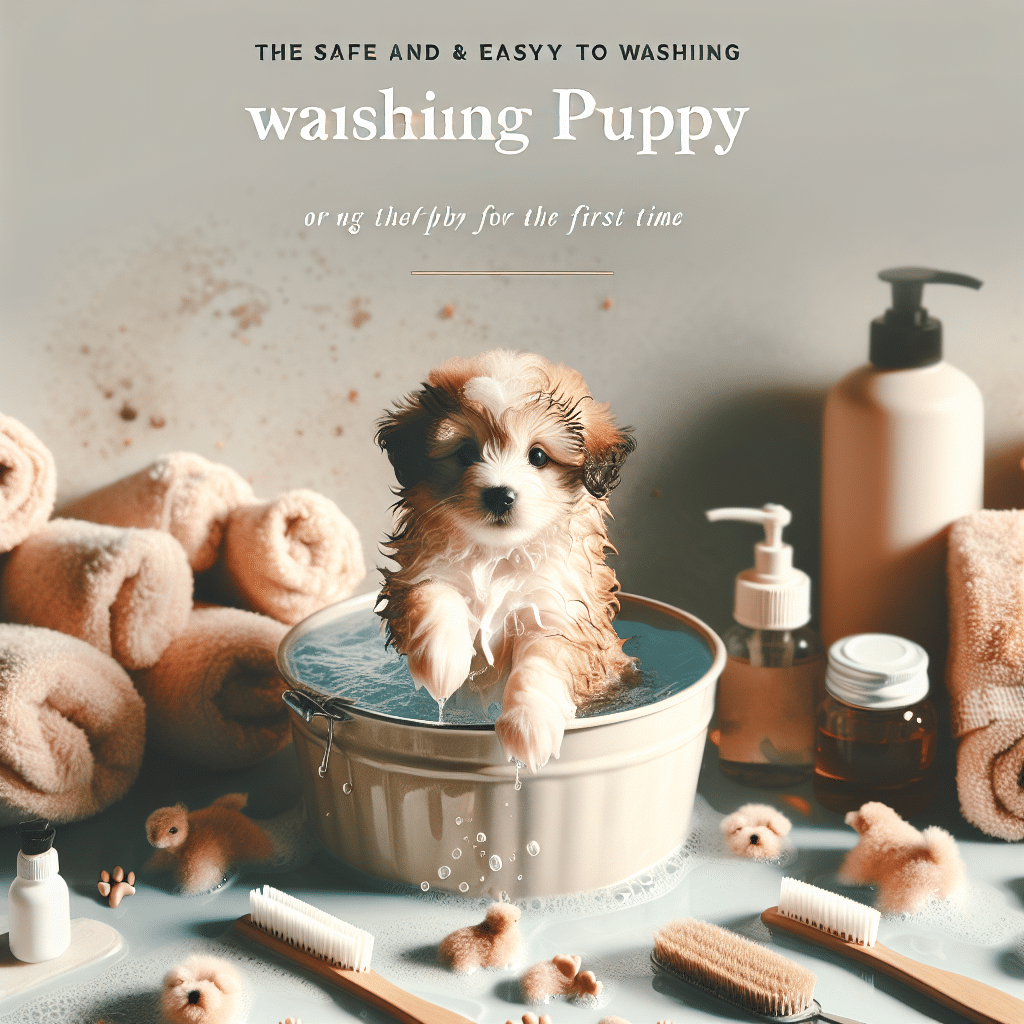
The Safe and Easy Guide to Washing Your Puppy for the First Time
Giving your puppy their first bath can be both an exciting and slightly daunting experience. You want to ensure it’s a positive, stress-free event that helps build trust between you and your new furry friend. Proper bathing not only keeps your puppy clean but also promotes healthy skin and coat, reduces shedding, and helps prevent skin issues. However, for first-time puppy owners, knowing how to do it safely and effectively can be confusing. This comprehensive guide will walk you through everything you need to know—from preparing the right supplies and setting up a safe environment to the actual bathing process and post-bath care—making the experience safe, easy, and even enjoyable for both of you.
In this article, we’ll cover each step in detail, providing practical tips and expert advice to help you give your puppy a gentle and safe first bath. Whether your puppy is a tiny Chihuahua or a fluffy Golden Retriever, these tips are adaptable and designed to keep your puppy comfortable and secure throughout the process. So, grab your supplies, get ready to learn, and let’s turn what might seem like a stressful chore into a positive bonding experience!
Preparing the Right Supplies and Environment for Your Puppy’s First Bath
The foundation of a safe and successful puppy bath starts with gathering the right supplies and creating a calm, controlled environment. Using quality, puppy-appropriate products will make a significant difference in how your puppy reacts and how effective the bath is. Begin by choosing a gentle, puppy-specific shampoo that’s free from harsh chemicals, dyes, or fragrances, as their delicate skin can easily become irritated. You may also want to have a few towels on hand—preferably soft, absorbent ones—and a non-slip mat to prevent slipping during the bath.
Setting up the bathing area in a warm, quiet space is essential. Many puppy owners opt for a sink or a bathtub with a non-slip mat placed inside to provide stability. The room should be draft-free and free from loud noises that could scare your puppy. Make sure the water temperature is lukewarm, around 90-100°F (32-38°C). Test the temperature with your wrist or elbow before starting—water that’s too hot or cold can cause discomfort or stress. Keep all the supplies within arm’s reach so you won’t need to leave your puppy unattended or scramble during the bath, which could increase their anxiety.
Additionally, consider the timing of the bath. Avoid bathing your puppy right after a meal or when they’re overly tired or hyper. A calm, rested puppy will be more receptive and less prone to squirming. If your puppy is particularly anxious, try to introduce the bathing environment gradually. Let them explore the area beforehand, introduce the shampoo and towels, and speak softly to reassure them. Creating a positive association with bath time sets the stage for future grooming sessions and makes the process smoother and safer for everyone involved.
Ensuring Safety and Comfort During the Bathing Process
Safety and comfort are paramount when bathing a puppy, especially during their first experience. It’s important to stay calm and gentle throughout the process to reassure your puppy and prevent them from feeling scared or overwhelmed. Use a soothing voice and gentle touches, and remember that patience is key. Never leave your puppy unattended in the bath, even if they seem calm, as accidents can happen quickly. Close supervision ensures their safety and allows you to respond promptly if they become distressed.
Supporting your puppy physically is crucial, especially if they’re small or nervous. Use one hand to gently hold their body, providing stability and reassurance, while the other hand applies shampoo and rinses. Be careful around sensitive areas like the eyes, ears, and nose; avoid spraying water directly into these regions. To keep your puppy comfortable, use lukewarm water—never hot or cold—and rinse thoroughly to remove all shampoo residue, which can cause irritation if left on the skin. Also, avoid over-washing; puppies only need occasional baths unless they get particularly dirty or develop skin issues.
During the bath, watch your puppy’s body language closely. Signs of stress include trembling, trying to escape, whining, or flattened ears. If your puppy becomes overly panicked, it’s best to pause and give them a moment to calm down. Reassure them with gentle strokes and calm words. If necessary, keep the bathing session brief—around 5 to 10 minutes—and always end on a positive note with lots of praise and treats. This helps your puppy associate bath time with positive experiences rather than fear, laying a foundation for future grooming with trust and ease.
Step-by-Step Guide to Washing Your Puppy Safely and Effectively
Here’s a clear, step-by-step guide that takes you through the entire bathing process, making it manageable and stress-free for both of you. Remember, patience and gentleness are vital.
-
Prepare Your Supplies: Have everything ready—shampoo, towels, non-slip mat, conditioner (if needed), and a cup or sprayer for rinsing. Place them within easy reach.
-
Secure Your Puppy: Gently place your puppy in the bathing area on the non-slip mat. Use a calm voice to reassure them. If your puppy is particularly nervous, consider wrapping them in a towel or using a leash to prevent slipping or jumping.
-
Wet Your Puppy: Use lukewarm water to gently wet their coat, starting from the neck and working downward. Avoid pouring water directly over the head to prevent water from entering the ears and eyes.
-
Apply Shampoo: Use a small amount of puppy-specific shampoo. Gently massage it into their coat, working from the neck down to the tail. Be cautious around sensitive areas—avoid the face, eyes, and ears.
-
Rinse Thoroughly: Use clean, lukewarm water to rinse all the shampoo from your puppy’s coat. Make sure no residue is left, as it can cause skin irritation. Use a cup or sprayer for controlled rinsing.
-
Optional Conditioner: If your puppy has a long or thick coat, apply a gentle conditioner designed for puppies. Follow the product instructions and rinse thoroughly.
-
Drying: Gently pat your puppy dry with a soft towel, avoiding vigorous rubbing. For longer-haired breeds, you can use a puppy-safe blow dryer on a low, cool setting, keeping it at a safe distance to prevent burns or stress.
-
Final Comfort: Once dry, give your puppy a cuddle, praise them, and perhaps offer a treat. This positive reinforcement helps your puppy associate bath time with comfort and rewards.
Following this step-by-step process ensures your puppy is thoroughly cleaned while minimizing stress and discomfort. Remember, the key is to remain patient, gentle, and reassuring throughout the entire bathing experience.
Post-Bath Care and Grooming Tips to Keep Your Puppy Healthy and Happy
After the bath, your puppy’s comfort and grooming don’t end—the post-bath routine is just as important. Proper drying, brushing, and observation help maintain a healthy coat and skin, and they reinforce positive feelings about grooming sessions. Keep your puppy warm and cozy until they’re completely dry, especially during colder months, to prevent chills. If you used a blow dryer, make sure it was on a cool setting and kept at a safe distance to avoid burns or distress.
Once your puppy is dry, gently brush their coat to remove loose fur, prevent mats, and distribute natural oils. Regular grooming is essential for maintaining a clean, healthy coat and can also be a bonding activity. For puppies with longer hair, frequent brushing prevents tangles and mats, while short-haired breeds benefit from periodic grooming to keep their coat shiny and healthy. Check their ears, eyes, and paws regularly for dirt or signs of irritation, and wipe them gently if needed. This ongoing maintenance helps catch potential health issues early and keeps your puppy comfortable.
Lastly, reward your puppy with praise, treats, or playtime after grooming to create a positive association with these routines. Monitor your puppy closely over the next few days for any signs of skin irritation or discomfort. If your puppy shows persistent itching, redness, or skin abnormalities, consult a veterinarian promptly. Establishing a consistent grooming schedule and handling routine will make future baths easier and more enjoyable for your puppy—and for you as an owner. Remember, patience, gentleness, and positive reinforcement are the keys to a healthy, happy, well-groomed puppy.
Conclusion
Bathing your puppy for the first time might seem like a daunting task, but with the right preparation, safety measures, and a calm approach, it can become a rewarding bonding experience. By gathering quality supplies, creating a safe environment, and following a step-by-step process, you ensure your puppy stays safe, comfortable, and stress-free during their first bath. Remember, patience and reassurance are essential—your calm demeanor helps your puppy feel secure.
Post-bath care, including thorough drying, gentle brushing, and regular grooming, is vital to maintaining your puppy’s health and happiness. These routines not only keep your puppy looking adorable but also promote healthy skin and coat, prevent matting, and nurture trust between you two. With these tips in mind, you’re well on your way to mastering the art of puppy bathing, turning what might be a challenging chore into an enjoyable, trust-building experience that benefits both you and your furry friend. Happy bathing!