


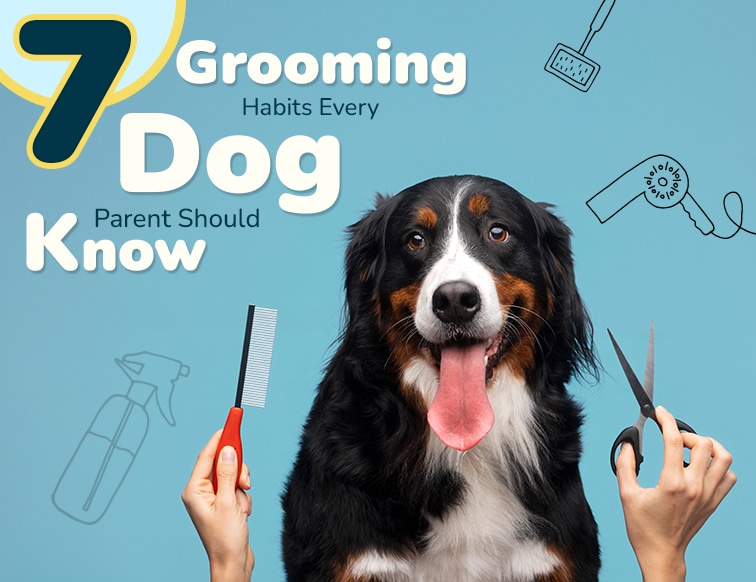
Top Grooming Habits Every Apartment Dog Owner Should Follow
Living in an apartment with your furry friend can be a delightful experience, but it also comes with unique responsibilities—especially when it comes to grooming. Unlike houses with yards, apartment dogs often require more meticulous grooming routines to stay clean, comfortable, and healthy in a confined space. Proper grooming isn’t just about aesthetics; it’s essential for your dog’s overall well-being, skin health, and even the harmony of your shared living environment. Whether you’re a first-time dog owner or a seasoned pet parent, mastering the top grooming habits tailored for apartment living is crucial.
In this article, we’ll explore the essential grooming supplies, how to establish a routine suitable for small spaces, and practical tips on bathing, coat maintenance, nail trimming, and living space hygiene. These habits will help ensure your dog remains happy, healthy, and comfortable in your cozy home. Let’s dive in!
Essential Grooming Supplies and Tools for Apartment Dogs
When it comes to grooming your apartment dog, the right tools make all the difference. Having a curated collection of grooming supplies tailored to your dog’s breed, coat type, and size can streamline your routine and make grooming a more enjoyable experience for both of you. The essentials include brushes, shampoos, nail trimmers, and other adaptable tools specifically designed for small living spaces.
First, invest in a quality brush suited to your dog’s coat. For short-haired breeds, a rubber curry brush or bristle brush is sufficient to remove loose fur and distribute natural oils. Long-haired breeds benefit from slicker brushes or pin brushes to prevent matting and tangles. Additionally, grooming gloves can be a helpful tool for quick daily brushing, especially for shedding breeds, as they help remove hair without causing discomfort. For bathing, choose a gentle, dog-specific shampoo that suits your dog’s skin type. Avoid human products, as they can disrupt pH balance and cause irritation.
Other vital supplies include nail trimmers designed for small paws, a gentle dog toothbrush and toothpaste, and grooming scissors for trimming around sensitive areas. If your dog is prone to skin issues or allergies, consider adding medicated wipes or soothing sprays to your grooming kit. Keep all supplies organized in a designated area—this encourages consistency and helps you stay prepared for regular grooming sessions. Remember, investing in the right tools not only makes grooming easier but also promotes a positive experience, reducing stress for your pet.
Establishing a Consistent Grooming Routine in Small Living Spaces
Creating a regular grooming routine is essential for maintaining your apartment dog’s hygiene and preventing issues like matting, skin infections, or bad odors. In small living spaces, establishing a consistent schedule also helps contain shedding, dirt, and pet hair, keeping your environment cleaner. The key is to develop a routine that fits your dog’s needs and your lifestyle, making grooming a predictable and stress-free part of daily life.
Start by setting designated days and times for grooming. For example, brushing your dog every morning or every other day can help reduce shedding and keep their coat in top shape. Regular brushing also provides an opportunity to check for skin abnormalities, parasites, or injuries. Incorporate brief, positive grooming sessions to build your dog’s comfort and trust—using treats and praise to make the process enjoyable. For bathing, most dogs require a bath every 4-8 weeks, depending on their activity level and coat type, but always tailor this to your pet’s specific needs.
In cramped apartments, space can be limited, so select a dedicated grooming spot that is easy to clean and well-ventilated. Consider investing in a grooming table or a non-slip mat placed on a sturdy surface. Keep cleaning supplies within reach so that grooming becomes a quick, efficient activity rather than a daunting chore. Consistency not only benefits your dog’s health but also fosters a calm, familiar routine that minimizes anxiety. Remember, patience and positive reinforcement are your best tools for establishing a grooming habit that sticks.
Bathing and Skin Care Tips for Apartment-Only Dogs
Bathing your dog in an apartment setting requires some planning to avoid messes and ensure your pet’s comfort. Instead of a bathtub, consider using a walk-in shower or a portable tub that fits comfortably within your space. Always use lukewarm water and a gentle, dog-specific shampoo to clean your pet’s coat without stripping natural oils or causing skin irritation. Brief, regular baths help control odors, reduce dirt accumulation, and prevent skin infections, especially in breeds prone to allergies or sensitive skin.
Before bathing, brush out your dog’s coat thoroughly to remove loose fur and detangle any mats—this makes the bath more effective and easier to rinse out. To avoid a water mess, place a non-slip mat in the bathing area and use a detachable showerhead or a cup for controlled rinsing. During the bath, be gentle and avoid getting water or shampoo in your dog’s ears, eyes, or nose. After rinsing, towel dry your dog thoroughly and, if necessary, use a blow dryer on a low, cool setting to prevent dampness, which can promote mold or skin issues.
Skin health extends beyond bathing. Regularly check your dog’s skin for signs of dryness, redness, parasites, or irritation. In small apartments, maintaining good hygiene also involves cleaning your dog’s bedding and grooming tools frequently, as these are often sources of dirt and pests. Incorporating soothing skin care products, like canine conditioners or topical sprays, can also help keep your dog’s skin healthy, shiny, and itch-free. A consistent bathing routine tailored to your pet’s needs ensures they stay comfortable and odor-free in your cozy home.
Maintaining Coat Health and Preventing Matting in Compact Environments
In an apartment, managing your dog’s coat health is vital to reduce shedding, matting, and skin issues—especially when space is limited. Regular brushing is the cornerstone of coat maintenance, helping to distribute natural oils and prevent tangles. For breeds prone to matting, daily brushing or combing with detangling sprays can significantly reduce discomfort and the need for professional grooming. Shortening the coat or trimming around problem areas can also be a practical approach to managing hair in small spaces.
If your dog’s coat is prone to matting, invest in high-quality detangling sprays and slicker brushes to tackle tangles before they become severe. For long-haired breeds, trimming the hair around the ears, paws, and sanitary areas can prevent dirt buildup and mat formation. Regular grooming appointments with a professional are also recommended if the coat becomes difficult to manage at home. Additionally, paying attention to diet is crucial—nutrient-rich foods rich in omega-3 fatty acids promote healthy, shiny coats and reduce shedding.
Creating a grooming schedule that includes brushing at least 3-4 times a week will go a long way in preventing mats and keeping your dog comfortable. In small spaces, it’s also important to keep your dog’s environment clean and free of loose fur and debris. Using de-shedding tools periodically can help manage shedding and reduce fur around your apartment. Ultimately, maintaining a healthy coat not only improves your dog’s appearance but also contributes to their overall skin health, making grooming a positive experience for both of you.
Nail Trimming and Paw Care Practices for Indoor Dogs
Nail trimming is often overlooked but is crucial for your dog’s health and comfort, especially in an apartment where long nails can scratch floors, furniture, or even you. Regular trimming prevents overgrowth, which can cause pain, difficulty walking, or joint issues over time. Use dog-specific nail clippers or grinders, and trim only the tip of the nail, avoiding the quick—a sensitive blood vessel that can bleed and cause pain if cut. For dogs unfamiliar with nail trimming, introduce the process gradually with positive reinforcement and patience.
Paw care goes beyond trimming nails; it involves keeping your dog’s paws clean and moisturized. Check for cracked pads, cuts, or foreign debris lodged between toes after walks or playtime. In apartments, where outdoor access might be limited, regular paw inspections help prevent infections and discomfort. Use dog-safe moisturizers or paw balms to keep paw pads supple, especially in winter when cold weather can cause cracking or dryness. If your dog has hair between the paw pads, trimming it short can help prevent trapping dirt and debris that might lead to irritation or infection.
Develop a routine for paw and nail care, ideally trimming nails every 2-4 weeks depending on your dog’s activity level. This ensures your dog remains comfortable while preventing long nails from causing ergonomic issues. Additionally, after outdoor walks, wipe paws with a damp cloth or pet-safe wipes to remove dirt and chemicals like pesticides or road salt. Proper paw and nail care not only enhances your dog’s mobility but also promotes a hygienic indoor environment, making your apartment a safer and cleaner space.
Creating a Clean and Hygienic Living Space Through Regular Grooming
A clean, hygienic apartment environment starts with consistent grooming habits. Regular brushing, bathing, and paw care minimize the amount of loose fur, dander, and dirt brought into your living space. This is particularly important for allergy sufferers or homes with other pets, as it helps reduce allergens and maintain air quality. Establishing a grooming schedule ensures that your dog’s shedding and skin health are managed proactively, leading to a fresher, more comfortable home.
In addition to grooming your dog, routine cleaning of your apartment is essential. Vacuuming floors, furniture, and upholstery regularly removes pet hair, dander, and dirt, which can accumulate quickly in small spaces. Wash your dog’s bedding weekly and disinfect grooming tools frequently to prevent the spread of bacteria, parasites, or fungal infections. Using pet-safe cleaning products can help maintain a hygienic environment without exposing your dog to harmful chemicals. Creating a dedicated grooming area that is easy to clean also helps contain fur and messes, making maintenance more manageable.
Lastly, good grooming habits extend to your dog’s overall health and well-being. Regular vet checkups, combined with grooming, help detect potential issues early—be it skin infections, parasites, or dental problems. Investing in grooming tools that are easy to store and use within your apartment simplifies maintaining your dog’s hygiene. When grooming becomes a routine part of your lifestyle, your dog will feel healthier, happier, and more comfortable—contributing to a cleaner, more pleasant living space for everyone.
Conclusion
Grooming your apartment dog is more than just keeping them looking good—it’s about ensuring their health, comfort, and your shared living environment remain harmonious. From choosing the right supplies and establishing a routine to mastering bathing, coat care, and paw maintenance, each habit plays a vital role in your pet’s well-being. Regular grooming reduces health issues, minimizes mess, and creates a positive bonding experience.
Living in an apartment requires a tailored approach to grooming that respects limited space while maintaining high standards of hygiene. Consistency, patience, and positive reinforcement are your best tools to make grooming a stress-free activity for your dog. By integrating these top grooming habits into your daily routine, you’ll not only keep your dog looking and feeling their best but also enjoy a cleaner, healthier home environment.
Remember, grooming is an investment in your dog’s happiness and health—you owe it to your furry friend to develop habits that support their well-being in your cozy apartment life. Happy grooming!