


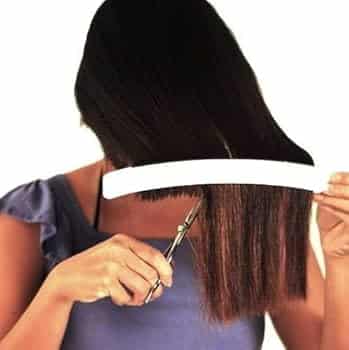
Top Hair Clipping Products for Tangle-Free At-Home Haircuts
Getting a neat, professional-looking haircut at home can be challenging—especially if your hair tends to tangle easily. Whether you’re trimming your own locks or tidying up a messy mane, having the right hair clipping tools makes all the difference. The goal is to find products that not only cut efficiently but also help manage or prevent tangles, ensuring a smooth, comfortable experience. This guide delves into essential features to consider, the best types of clippers and shears, step-by-step techniques, maintenance tips, and expert product recommendations to help you achieve a tidy, tangle-free hairstyle from the comfort of your home.
Essential Features to Consider When Choosing Hair Clipping Tools for Tangled Hair
When selecting hair clipping tools for tangled hair at home, understanding the features that contribute to a smooth, snag-free cut is crucial. The right tools can save you time, reduce discomfort, and deliver a polished look without damaging your hair.
First, blade quality and sharpness are paramount. Dull blades tend to pull and snag tangled hair rather than cut cleanly, leading to uneven results and potential hair damage. Look for high-quality stainless steel or ceramic blades that stay sharp longer and handle thick or tangled hair efficiently. Some professional-grade tools come with self-sharpening blades, which can be a worthwhile investment for consistent performance.
Second, adjustable or multiple length settings provide versatility, especially when managing tangles. Clipping tools with adjustable blades or attachments allow you to control the cutting length, helping you avoid cutting too much or creating uneven patches. For tangled hair, starting with longer settings to remove bulk and then gradually trimming shorter sections offers a safer, more controlled approach.
Third, ergonomics and weight influence your comfort during use. Devices with comfortable grips and lightweight designs reduce hand fatigue, making it easier to maneuver through tangled sections without pulling or causing discomfort. Consider tools with anti-slip handles and balanced weight distribution, particularly if you plan to do longer grooming sessions.
Finally, detangling features or blade guards can be beneficial. Some clippers come with specialized attachments designed to lift or detangle hair as you cut, minimizing the risk of pulling. Additionally, blade guards or comb attachments can help maintain uniform length and prevent accidental cuts, especially when working on tricky tangled areas.
Top Types of Hair Clippers and Shears Perfect for Managing Tangles at Home
Choosing the right type of hair clipping device depends on your hair type, the level of tangling, and your comfort level with cutting tools. Here’s a breakdown of the most effective tools for tackling tangled hair at home.
1. Electric Hair Clippers
Electric clippers are versatile and designed for quick, precise cuts. They come with various attachments that can be adjusted for different lengths, making them ideal for managing tangled or thick hair. Look for models with self-sharpening blades and detangling comb attachments, which can help ease through knots and reduce snagging. Cordless options provide greater freedom of movement, especially when working on difficult sections or hard-to-reach spots.
2. Precision Shears/Scissors
High-quality scissors or shears are essential for trimming tangles carefully, especially along the ends. Opt for sharp, corrosion-resistant blades with a comfortable, ergonomic grip. Thinning shears specifically can be used to subtly remove bulk from tangled hair without the risk of uneven cuts. When working on tangled hair, scissors offer more control and are less likely to pull or cause discomfort compared to electric devices.
3. Detangling Combs and Wide-Tooth Combs
While not cutting tools per se, detangling combs are invaluable in prepping your hair for clipping. Wide-tooth combs help gently loosen knots without pulling, reducing the risk of further tangling or hair breakage. Combining a detangling comb with scissors or clippers allows for safer, more effective trimming. Some brands also make comb attachments designed specifically to assist in detangling while cutting, providing a smoother overall experience.
4. Specialized Tangle-Resistant Clippers
Some brands offer tangle-resistant or anti-pull clippers designed explicitly for thick or tangled hair. These models feature blades and attachments optimized for smooth glide, minimizing snagging and pulling. They are particularly useful for those with very kinky, curly, or heavily tangled hair, ensuring a comfortable grooming process at home.
Step-by-Step Guide to Safely Clipping and Detangling Tangled Hair with Home Tools
Embarking on at-home haircuts with tangled hair requires patience, preparation, and the right technique. Follow this step-by-step guide to ensure a safe, effective, and tangle-free trimming session.
1. Prepare Your Hair and Tools
Start by washing and conditioning your hair thoroughly. Clean, damp hair is easier to work with, and conditioning helps loosen knots. Use a wide-tooth detangling comb to gently remove surface tangles, working from ends to roots. Ensure all your tools—scissors, clippers, combs, and guards—are clean and sterilized to prevent infections or hair damage.
2. Section Your Hair
Divide your hair into manageable sections using clips or hair ties. Working on small sections allows for better control and reduces the risk of missing tangled strands or uneven cuts. For very tangled hair, consider working from the bottom up, starting with the back sections, where tangles are often more severe.
3. Detangle Before Cutting
Before clipping, gently detangle each section with a wide-tooth comb or a specialized detangling brush. Be patient—work slowly through knots, holding the hair firmly at the root to avoid pulling. For stubborn tangles, apply a detangling spray or leave-in conditioner to soften the knots, making detangling easier and gentler.
4. Use the Right Clipping Technique
Begin with your clipper or scissors set to a longer length to remove bulk gradually. For electric clippers, attach a guard suited for your desired length and glide the tool smoothly along the section, following the natural growth pattern. When using scissors, trim small amounts at a time, making sure to follow the natural shape of your hair. Always cut from the bottom upwards to avoid uneven or choppy results.
5. Work Carefully and Patience is Key
Tackle one section at a time, ensuring each is thoroughly detangled before cutting. If a knot resists detangling, don’t force it—take a break, apply more conditioner or detangling spray, and try again. This patience prevents damage to your hair and reduces discomfort. Remember, it’s better to trim less and gradually work your way to a neater look than to risk uneven, harsh cuts.
6. Final Checks and Finishing Touches
After all sections are trimmed, comb through your hair to check for uneven spots or remaining tangles. Make any necessary adjustments with scissors or clippers. Finish by applying a leave-in conditioner or smoothing serum to give your hair a polished, healthy appearance.
Maintenance and Care Tips for Prolonging the Effectiveness of Hair Clipping Devices
Proper maintenance of your hair clipping tools not only extends their lifespan but also ensures they deliver a clean, snag-free cut every time. A well-maintained device reduces the risk of pulling, uneven cuts, and potential damage to your hair.
First, always clean your tools after each use. Remove hair residues from blades or scissors using a small brush or a toothbrush, and wipe them with a damp cloth. For electric clippers, follow the manufacturer’s instructions to remove blades and clean them thoroughly—many models have detachable blades that can be washed or sterilized. Applying a few drops of clipper oil to blades regularly keeps them lubricated, ensuring smooth operation and preventing rust.
Second, store your tools in a dry, protected place. Use a dedicated case or pouch to avoid accidental damage or exposure to dust and moisture. Avoid leaving electric devices plugged in or with blades exposed for extended periods, as this can dull blades or cause corrosion. Regularly inspecting your tools for wear, such as dull blades or loose screws, allows for timely repairs or replacements.
Third, replace blades or attachments as recommended by the manufacturer. Over time, blades can become dull even with proper care, which impacts cutting performance and increases the risk of pulling or snagging hair. Investing in high-quality blades and keeping your tools sharp ensures that your at-home haircuts stay smooth, safe, and effective.
Expert Recommendations for the Best Products to Tackle Tangles and Achieve a Smooth Finish
Based on research, user reviews, and professional suggestions, here are some of the top-rated products for managing tangled hair at home and achieving a clean, smooth cut:
-
Andis Master Cordless Clippers: Known for their powerful motor and sharp blades, these cordless clippers are perfect for thick or tangled hair. Their adjustable blades and long battery life make them ideal for trimming difficult sections comfortably.
-
Wahl Professional PrecisionCut Haircutting Scissors: These scissors feature ultra-sharp blades and an ergonomic handle, offering precise control when trimming tangled or damaged hair. They are excellent for detailed work and finishing touches.
-
Conair Detangling Comb with Wide Teeth: An affordable yet highly effective tool, this comb gently loosens knots before cutting, reducing discomfort and minimizing hair breakage.
-
Oster Gentle Pliers Thinning Shears: Designed for thinning out thick hair, these shears help remove bulk without disturbing the overall style, perfect for those working with heavily tangled or dense hair.
-
Remington HC4250 Shortcut Pro Self-Haircut Kit: A versatile cordless clipper with multiple attachments, this product is favored for its ease of use and ability to handle thick, tangled hair effectively.
Choosing the right combination of these tools depends on your specific hair type and grooming needs. Investing in quality devices, practicing patience, and maintaining your tools will help you achieve professional-quality results and a tangle-free finish every time.
Conclusion
Managing tangled hair at home doesn’t have to be a daunting task. By understanding the essential features of hair clipping tools, selecting the right devices—whether electric clippers, scissors, or detangling combs—and applying a careful, step-by-step approach, you can achieve a smooth, professional-looking haircut in the comfort of your own space. Proper maintenance of your tools ensures longevity and optimal performance, making each grooming session more efficient and comfortable. Remember, the key to tangle-free at-home haircuts lies in patience, quality tools, and technique. So don’t be afraid to invest in the best products, follow these expert tips, and enjoy confidently managing your hair with ease!